
What are the top things to do in Egypt?
Egypt’s must-do list starts with the Pyramids of Giza and the Grand Egyptian Museum in Cairo, followed by Karnak Temple, Luxor Temple, and the Valley of the Kings in Luxor. Round it out with a Nile cruise to Aswan, Abu Simbel, Khan el-Khalili bazaar, and Red Sea diving for the full experience.
Visit Giza right at 8 a.m.opening to beat the heat and tour buses, then pair it with the Sphinx.
Book Grand Egyptian Museum tickets online in advance — the Tutankhamun galleries draw big crowds.
Take a 3-4 night Nile cruise from Luxor to Aswan to see Edfu, Kom Ombo, and Abu Simbel with ease.
Add 3-4 days in Hurghada or Marsa Alam for some of the clearest diving and snorkeling in the Red Sea.
If you’re planning a trip to the Nile and only have room for a short list, this guide breaks down the top 10 things to do in Egypt so you don’t waste a single day on the ground. From the last standing wonder of the ancient world to a sunset sail down the Nile, these are the sights and experiences that consistently earn their place on every traveler’s itinerary. Whether you’re booking a full Egypt tour package or building your own custom Egypt tour, use this list of the top 10 things to see and do in Egypt.
1. Marvel at the Great Pyramids of Giza and the Sphinx
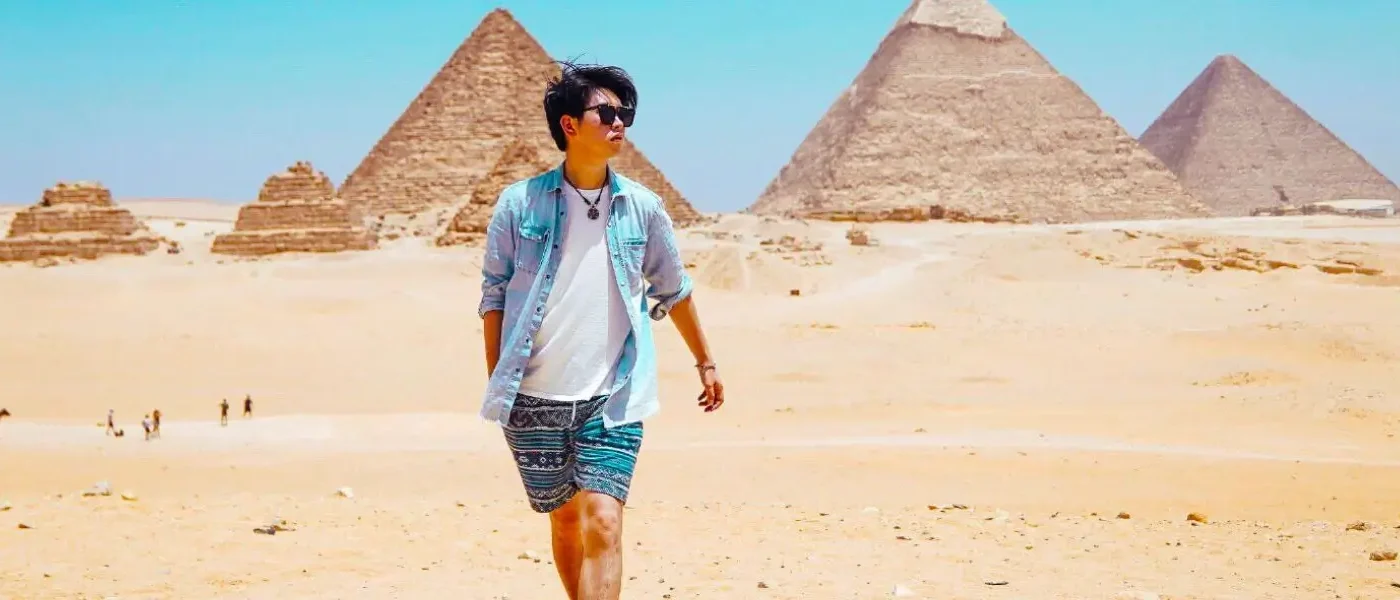
No list of things to do in Egypt gets far without the Pyramids of Giza, and for good reason — this is the only surviving wonder of the ancient world, and it’s just 30 minutes from central Cairo. Give yourself at least three to four hours to explore the Giza Plateau: the Great Pyramid of Khufu, the slightly smaller Pyramid of Khafre (which still has some of its original limestone casing near the top), and the Pyramid of Menkaure. Arrive right at opening (usually 8 a.m.) to beat both the heat and the tour buses. The Great Sphinx sits just below the plateau and takes only 20–30 minutes to see properly, but it’s worth pairing with a stop at the Solar Boat Museum if it’s reopened at the time of your visit.
Camel and horse rides around the plateau are widely available and worth negotiating a fixed price for before you mount up. This is one stop where a private guide genuinely pays for itself, since Egyptologists can point out construction details and burial chamber theories that aren’t posted anywhere on-site. See more things to do in Cairo for a fuller day-by-day plan.
2. Explore the Grand Egyptian Museum
The Grand Egyptian Museum near the Giza Plateau is now home to the full Tutankhamun collection — over 5,000 pieces displayed together for the first time since the tomb was discovered in 1922. Budget a minimum of three hours, more if you want to see the museum’s other galleries covering predynastic Egypt through the Greco-Roman period.
The original Egyptian Museum in Tahrir Square is still open and worth a visit if you have extra time, since some artifacts haven’t yet been relocated. Buy Grand Egyptian Museum tickets online in advance where possible; the site has been drawing large crowds since its full opening, and time-slot tickets move faster than queuing on arrival. Photography without flash is generally permitted in most halls, but check current rules for the Tutankhamun galleries specifically. Pair it with the pyramids on a single Giza Pyramids and Grand Egyptian Museum tour to save a day.
3. Walk Through Karnak Temple and Luxor Temple
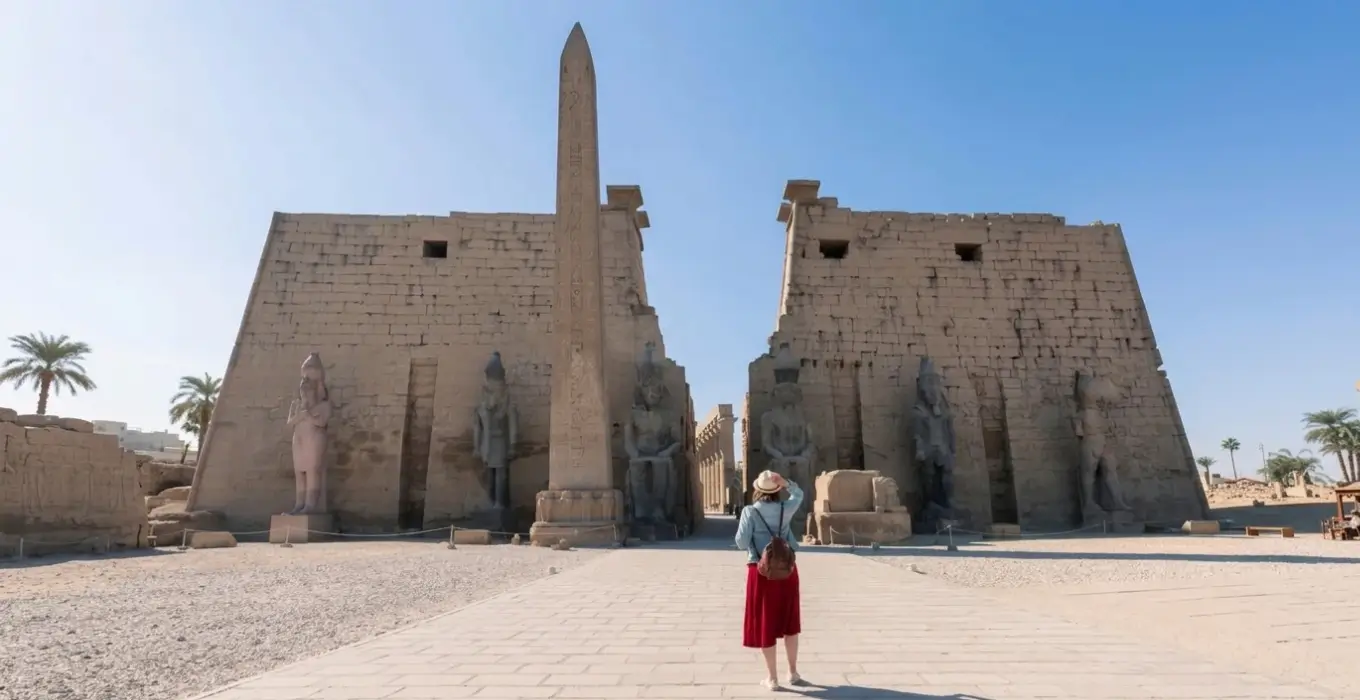
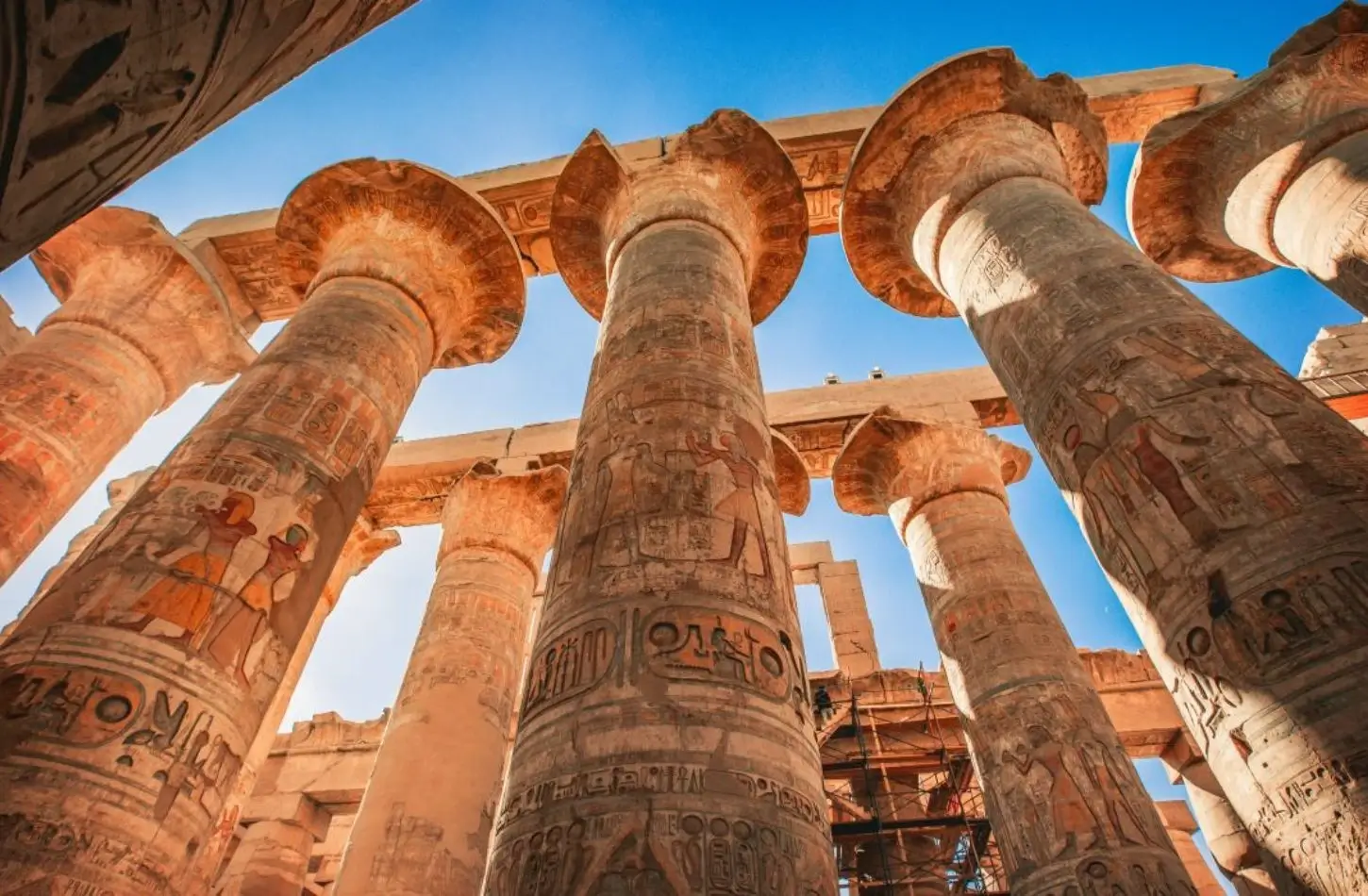
Luxor is Egypt’s open-air museum, and Karnak Temple is its centerpiece — a temple complex built and expanded over roughly 2,000 years by more than 30 pharaohs. The Great Hypostyle Hall, with its 134 towering columns, is the single most photographed interior in Luxor.
Plan two hours minimum, and if your schedule allows, come back after dark for the Sound and Light Show, when the ruins are lit up against the night sky. Luxor Temple, closer to the Nile Corniche and connected to Karnak by the restored Avenue of Sphinxes, takes about 90 minutes and is especially striking around sunset when the stone turns gold.
Both sites are flat and well-paved, making them manageable even in the midday heat if you carry water and a hat. Browse our Luxor tours to see how these are typically combined.
4. Descend Into the Valley of the Kings
Across the Nile on Luxor’s West Bank, the Valley of the Kings holds more than 60 tombs, including that of Tutankhamun. A standard ticket includes entry to three tombs of your choice (Tutankhamun’s tomb requires a separate ticket), so it’s worth researching in advance which are open and which have the best-preserved paintings — the tomb of Seti I is frequently cited as the finest, though it’s an extra fee to enter.
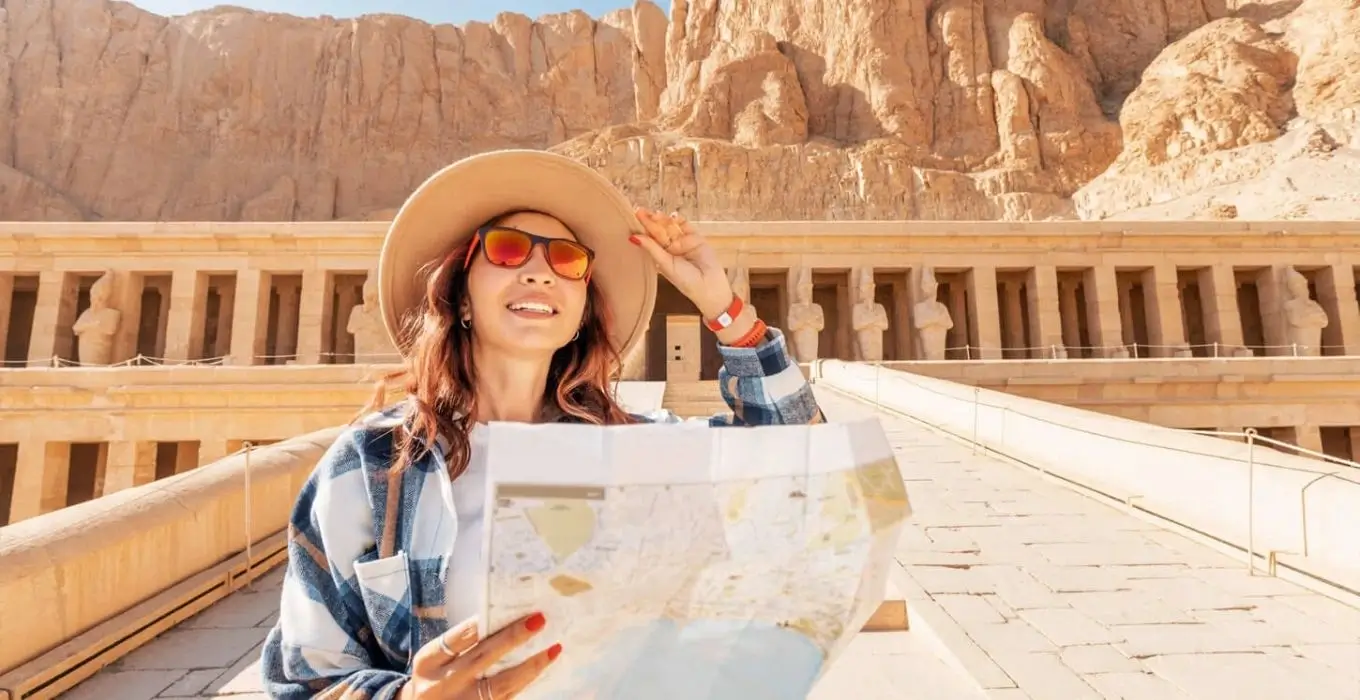
Go early morning to avoid both crowds and heat, since the valley has almost no shade. Combine your West Bank morning with the Temple of Hatshepsut, carved directly into the cliffs, and the Colossi of Memnon, two 60-foot stone statues visible right from the roadside. Sunrise hot air balloon rides over this exact stretch of desert are one of the most memorable ways to see it all from above.
5. Cruise the Nile Between Luxor and Aswan
A multi-night Nile cruise is less an attraction and more a way of seeing several of Egypt’s temples without repacking your suitcase every night. The classic route runs between Luxor and Aswan over three to four nights, stopping at the temples of Edfu and Kom Ombo along the way, with days that blend guided shore excursions and unhurried time on deck.
Cabins on the standard fleet range from comfortable three- and four-star ships to five-star vessels with pools and spas, while a dahabiya Cruise — a smaller, sail-powered boat — is worth considering if you want a quieter, more boutique pace with fewer passengers aboard. Either way, this is one of the best things to do in Egypt for fitting Edfu, Kom Ombo, Luxor, and Aswan into a single week without repeated long drives.
6. Stand in Front of the Abu Simbel Temples
Carved directly into a mountainside by Ramesses II, and later relocated block by block in a 1960s engineering project to save it from the rising waters of Lake Nasser, Abu Simbel is worth the early start it demands. Most visitors join a day trip from Aswan, either a roughly three-hour drive each way in a convoy that departs before dawn, or a 45-minute flight for those short on time.
The four seated colossi guarding the entrance are each around 65 feet tall, and inside, a smaller temple is dedicated to Ramesses’ favorite wife, Nefertari. If your travel dates land near February 22 or October 22, you can witness the twice-yearly “Sun Festival,” when sunlight aligns perfectly to illuminate the inner sanctuary statues.
7. Visit Philae Temple and the Aswan High Dam
Aswan moves at a slower pace than Luxor or Cairo, and Philae Temple is its highlight — an island temple dedicated to the goddess Isis that was also relocated, stone by stone, to save it from flooding after the original Aswan Dam was built. You reach it by a short motorboat ride across the reservoir, and the setting alone (water on all sides, granite hills in the background) makes it one of the most photogenic temples in the country.
Pair it with a stop at the Aswan High Dam, an engineering marvel that reshaped modern Egypt, and the Unfinished Obelisk, still lying in its quarry and offering a rare look at ancient stone-cutting techniques. Round out the afternoon with a felucca sail around Elephantine Island or a visit to a Nubian village for tea with a local family. See more Aswan tours to plan the day.
8. Get Lost in Khan el-Khalili Bazaar
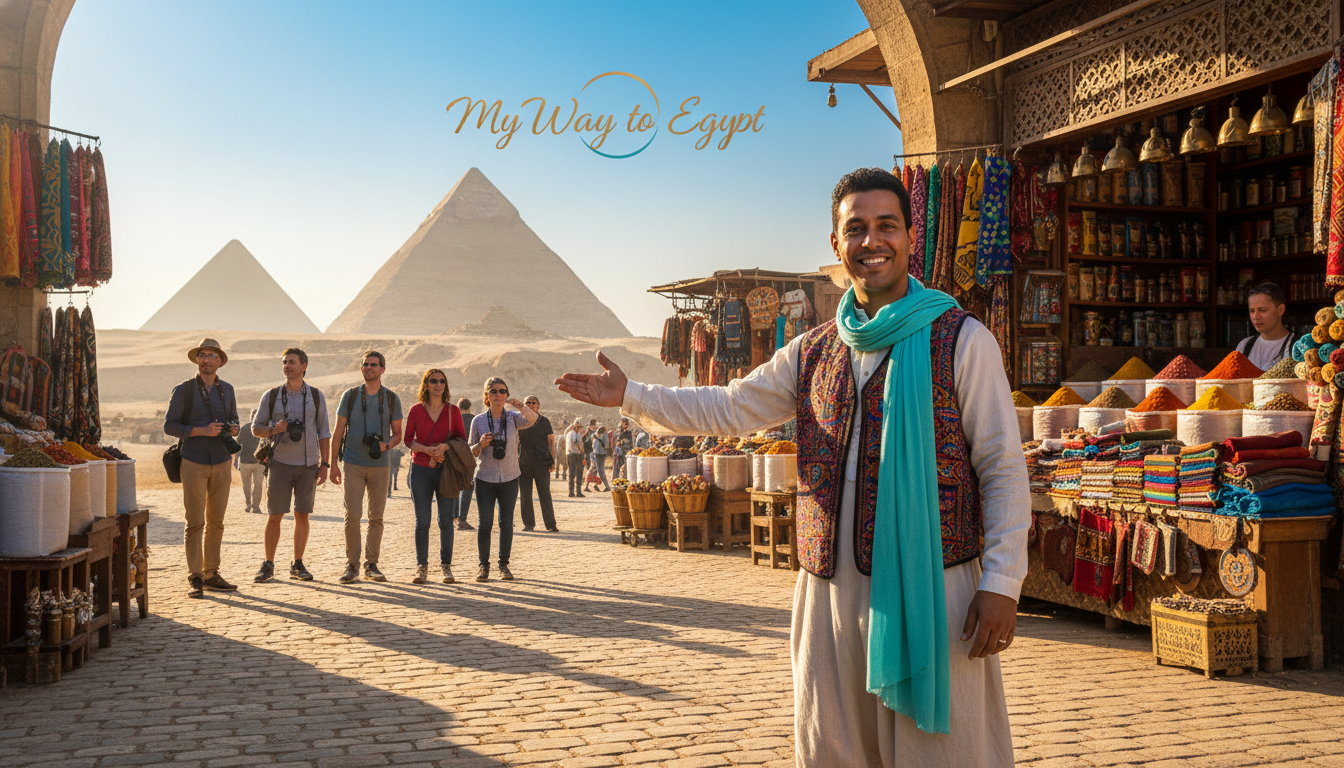
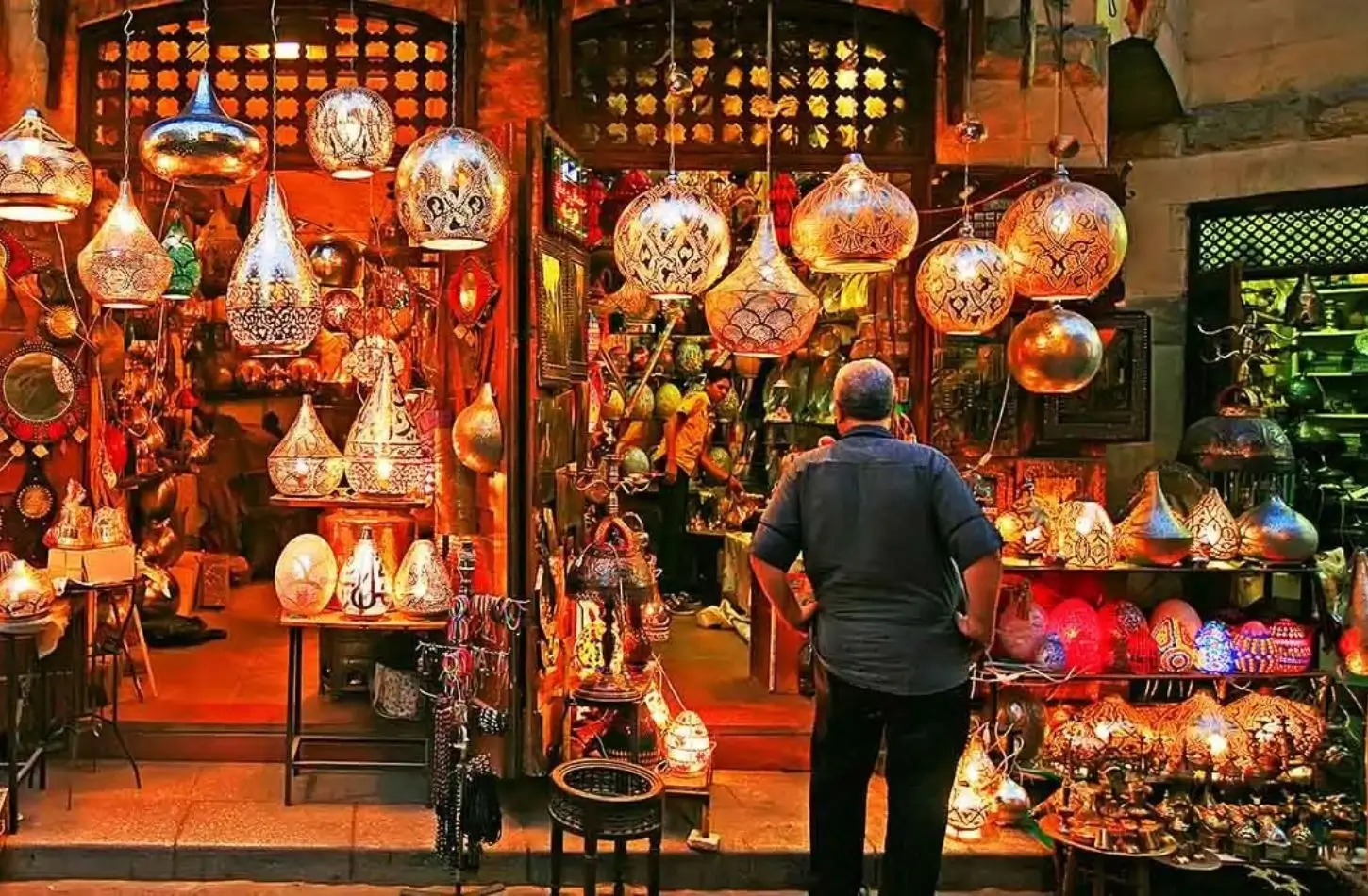
Back in Cairo, Khan el-Khalili is where Egypt’s ancient and modern sides meet — a market that’s been trading since the 14th century and still sells everything from spices and perfume oils to hand-hammered copperware and alabaster. Go in the late afternoon or early evening when the lanes are livelier and cooler, and expect to haggle; starting around half the asking price is a reasonable opener for souvenirs. El Fishawy, one of Cairo’s oldest coffeehouses, sits right in the market and is worth a stop for mint tea and people-watching.
The surrounding streets of Islamic Cairo hold hundreds of medieval mosques and mausoleums, so even a short wander beyond the market stalls turns up minarets and courtyards most visitors never see — see our one day in Cairo itinerary for how to fit it all in.
9. Dive or Snorkel in the Red Sea
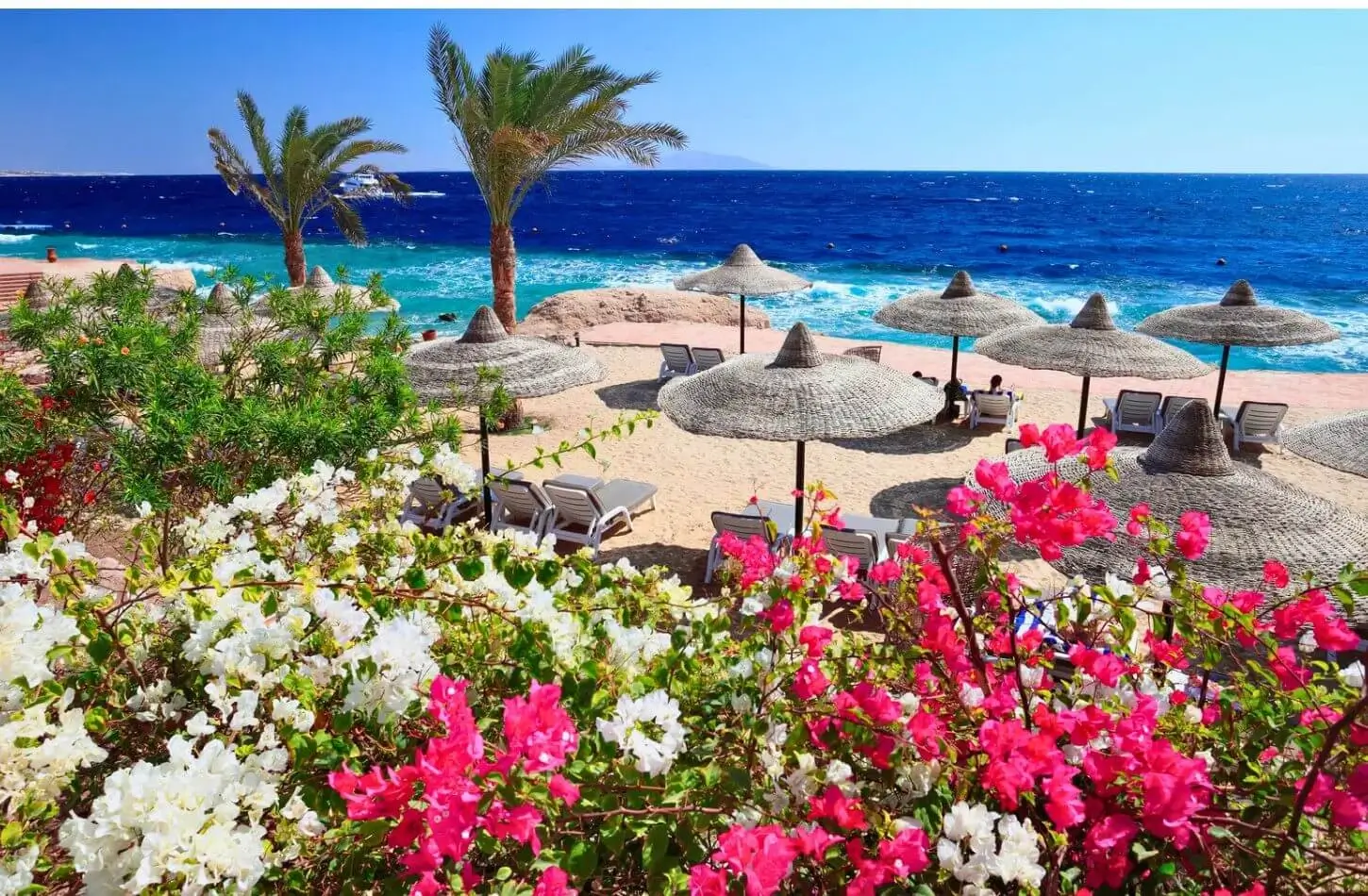
Egypt’s Red Sea coast, stretching from Hurghada down through Marsa Alam and across to Sharm El Sheikh, has some of the clearest water and healthiest coral reefs left in the world, and it’s an easy add-on to a Nile-and-temples itinerary.
Beginners can snorkel straight off the beach in spots like Marsa Alam’s Abu Dabbab Bay (also a regular sighting spot for sea turtles), while certified divers head out to Ras Mohammed National Park or the wrecks and reefs around Sharm El Sheikh. A day trip by boat to Tiran Island or the Giftun Islands typically includes two to three snorkel stops and lunch on board. Three to four days is enough to genuinely unwind here after a busier stretch of temples and museums.
10. Camp Under the Stars in the White and Black Deserts
For a completely different landscape, head roughly four to five hours southwest of Cairo to the White Desert, part of Egypt’s desert safari circuit, where wind-carved chalk-rock formations rise out of the sand like natural sculptures. Most visitors combine it with the Black Desert, where volcanic rock dusts the dunes in dark basalt, and the Bahariya Oasis, known for its hot springs and palm groves.
An overnight camping trip, with a Bedouin-cooked dinner and a night sky almost untouched by light pollution, is one of the most different must-see places in Egypt after a week of temples and cities. Bring a warm layer even in summer, since desert nights cool quickly once the sun goes down.
How Many Days Do You Need to Cover Egypt’s Top Attractions?
A week is enough to hit the essentials in Cairo and Luxor, but it’s tight if you also want Aswan and Abu Simbel without long travel days. Most first-time visitors find that 10 days strikes the right balance: a few days in Cairo and Giza, a short Nile cruise or overland leg between Luxor and Aswan, and a day for Abu Simbel.
If you want to add the Red Sea or a desert safari without rushing, 14 days gives you the breathing room to do it properly, while a tighter 7-day itinerary still works for a Cairo-and-Luxor-only trip. Whichever length fits your schedule, it’s worth mapping the order of cities against flight and train timings before you commit to dates.
When Is the Best Time to Visit Egypt’s Top Sites?
October through April is peak season for a reason: daytime temperatures sit in the comfortable 20s (Celsius), and the desert sites are far more bearable to walk around midday. Summer (June to August) brings temperatures well above 40°C in Luxor and Aswan, which makes early starts non-negotiable, though prices drop and the crowds thin out considerably.
May and September are the shoulder months, offering a reasonable trade-off between heat and hotel rates. See our full best time to visit Egypt guide for a month-by-month breakdown, including Ramadan timing.
Practical Tips for Visiting Egypt’s Top Attractions
A few habits make a real difference on the ground. Carry small denomination Egyptian pounds for tipping (baksheesh) at sites, restrooms, and for photos with camels or horses — it’s expected almost everywhere. Dress modestly at religious sites and temples, covering shoulders and knees (see our what to wear in Egypt guide), even though enforcement is relaxed at most tourist attractions.
Start your day early, since tour buses and cruise groups tend to arrive from mid-morning onward. Keep a copy of your visa confirmation handy, and check current entry requirements before you fly. Read our first-time Egypt travel tips and Egypt safety guide before you go. Finally, a licensed Egyptologist guide is worth the cost at the major sites — the difference between wandering past a wall of hieroglyphs and actually understanding what it depicts is significant.
Frequently Asked Questions
What are the top attractions you cannot miss in Egypt?
The Pyramids of Giza and the Sphinx are unmissable. In Upper Egypt, the Valley of the Kings, Karnak Temple, and Abu Simbel are top historical highlights, while the Red Sea (Sharm El Sheikh/Hurghada) is essential for diving.
Is 3 days in Cairo enough to see everything?
Three days is the ideal amount of time for Cairo. It allows you one full day for the Giza Plateau and Saqqara, one day for the Egyptian Museum and Grand Egyptian Museum, and one day to explore Islamic Cairo (Khan El Khalili) and Coptic Cairo.
What is the best way to see Egypt for the first time?
The classic and most comfortable route for first-timers is taking a 3-to-4-night Nile River cruise between Luxor and Aswan paired with domestic flights to and from Cairo. This handles accommodation, meals, and transit between major historical temples seamlessly.
How many days do you need for a full Egypt itinerary?
A 10-to-12-day itinerary is recommended to experience Egypt fully without rushing. This timeframe comfortably covers the highlights of Cairo, a classic Nile cruise through Luxor and Aswan, a day trip to Abu Simbel, and a few days of relaxation by the Red Sea coast.
What is the best month to visit Egypt for sightseeing?
The best time to visit is during the cooler winter months, from October to April. Temperatures are mild and comfortable for walking through outdoor desert archaeological sites, whereas summer months (June to August) routinely exceed 40°C (104°F) in inland areas like Luxor.
Is it safe for tourists to visit Egypt right now?
Yes, Egypt is generally safe for international tourists, and violent crime rates are low. Travelers should remain vigilant against common marketplace scams, pickpocketing, and aggressive street vendors. Booking organized tours or licensed guides is the preferred way to travel smoothly.
What should you wear when touring historical sites in Egypt?
There is no official dress code, but packing loose, breathable fabrics like cotton or linen is highly recommended. Out of respect for local customs, dress conservatively by covering shoulders and knees. Women should bring a lightweight scarf for entering active mosques.
How much does a tourist visa for Egypt cost and how do you get it?
A standard single-entry tourist visa costs 25 USD. Travelers from over 78 nationalities can easily purchase it as a “Visa on Arrival” at bank counters inside Egyptian airport passport control areas, or apply in advance via the official online e-visa portal.
Conclusion
Egypt rewards a well-planned trip more than almost any other destination — the top 10 things to do here span 4,500 years of history and a coastline of world-class reefs, and fitting them together well makes the difference between a rushed checklist and a trip you’ll actually remember clearly. If you’d rather not piece together flights, guides, and entry tickets yourself, browse our Egypt tour or build a custom Egypt tour around the exact mix of sites, pace, and travel dates that work for you.