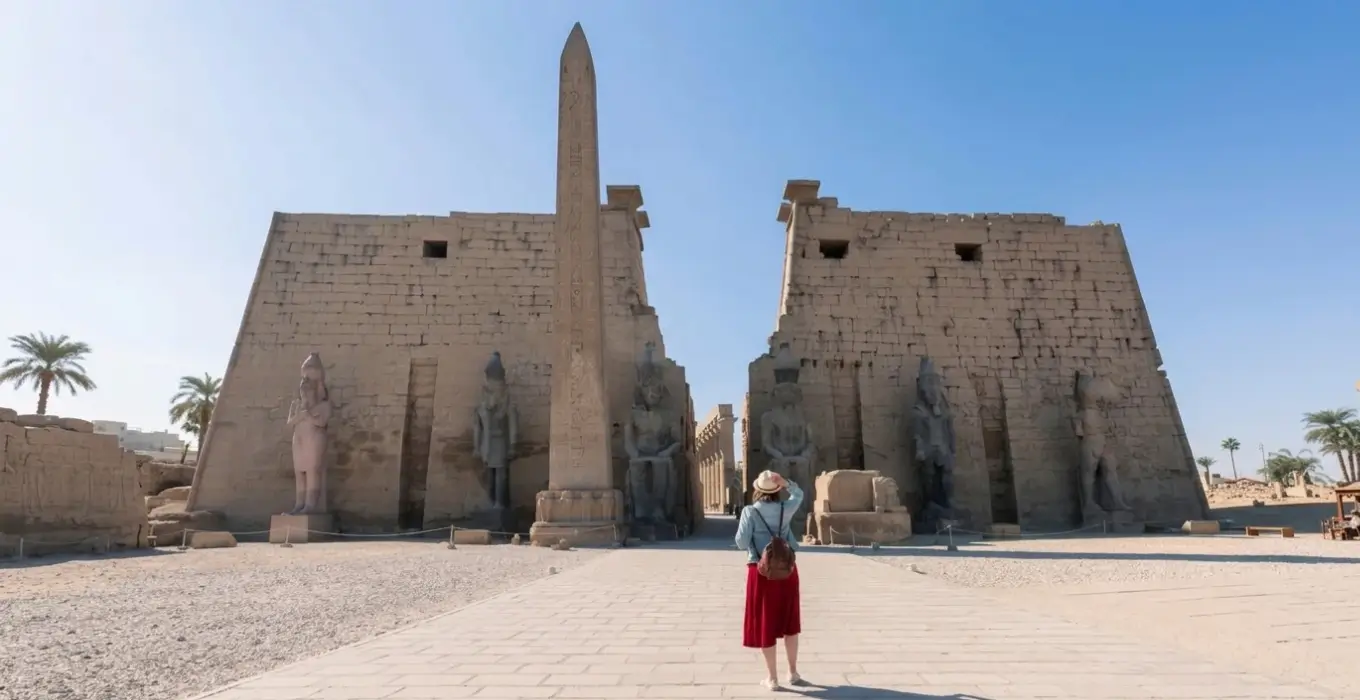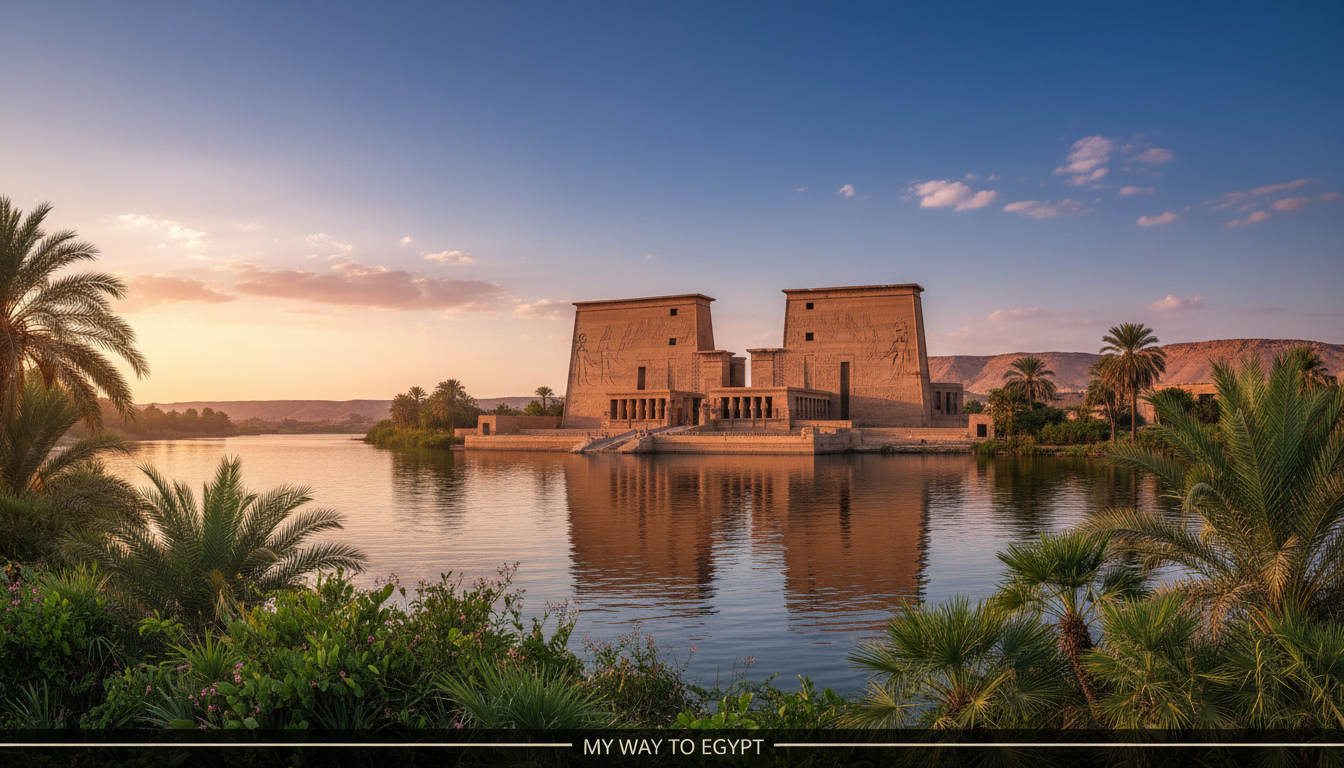

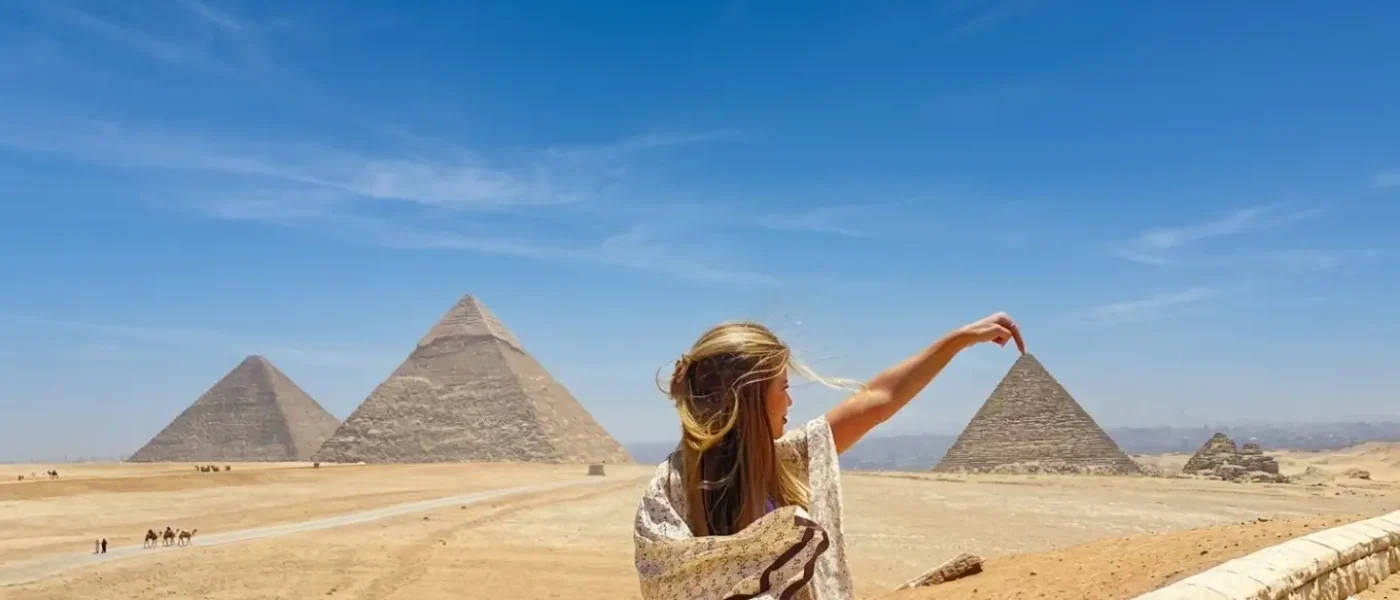
What is the best time to visit Egypt?
October to April, with 20°C–28°C days across Cairo, Luxor, and Aswan. Dec–Jan is busiest and priciest; March, April, and October are just as pleasant with fewer crowds. For diving, April–June or Sep–Nov give the clearest Red Sea water.
Book Dec–Jan trips 2–3 months ahead — it’s peak season.
Late Oct or March = comfort without peak prices.
Diving in summer? Warmer water, quieter boats.
Check Ramadan dates — they shift ~10 days earlier yearly.
Ask ten travel sites when best time to visit Egypt and you’ll get the same recycled line: “October to April.” It’s not wrong, but it’s not the full story either — and following it blindly could land you in Cairo during its most crowded week, paying December’s inflated cruise rates, or missing the exact days the sun aligns with Ramses II’s statue at Abu Simbel.
Twenty-five years ago I led my first group through the Valley of the Kings in the middle of August, and I remember thinking: this heat will teach me more about timing than any guidebook ever could. Since then, I have watched the seasons reshape Egypt’s temples, deserts, and coastline more times than I can count, and travelers still ask me the same question above all others: when is the best time to visit Egypt?
There is no single right answer, but there is a right answer for you. The best time to visit Egypt depends on whether you are chasing cool mornings at Karnak, a quiet Nile cruise deck, or clear water for diving off Hurghada. As a licensed Egyptologist with 25 years guiding travelers through Cairo, Luxor, Aswan, and the Red Sea, I want to walk you through exactly how the seasons work here, so you can choose the best time to visit Egypt for the trip you’re actually planning, rather than the one a generic guidebook assumes you want. If you’d like to know more about my background .
Egypt’s Two Seasons at a Glance
Egypt really only has two seasons that matter for planning: a cooler season from October to April, and a hot season from May to September. Understanding this simple split is the first step toward finding the best time to visit Egypt for your own comfort level, and it applies whether you’re touring inland temples or spending your week on the coast.
During the cooler season, daytime highs across Cairo and the Nile Valley typically range from 20°C to 28°C, with cool, sometimes chilly evenings, especially in the desert where temperatures can drop close to 10°C after dark. This is peak tourist season, and it is why most guides will tell you October through April is the best time to visit Egypt if crowds don’t bother you. The hot season runs May to September, when Upper Egypt (Luxor and Aswan) regularly climbs past 38°C and occasionally touches 45°C in July and August, while the Red Sea coast stays far more forgiving thanks to steady sea breezes and lower humidity than you’d expect this close to the equator.
How the Climate Differs by City
Egypt is a long, narrow country, and temperatures shift noticeably as you move south along the Nile. Cairo, in the north, tends to run 3–5°C cooler than Luxor and Aswan year-round, and it also picks up more of the country’s rare rainfall, mostly light winter drizzle rather than anything that disrupts sightseeing — there’s plenty to fill a few days among the things to do in Cairo regardless of season.
Luxor and Aswan, in Upper Egypt, sit closer to the Tropic of Cancer and see the most dramatic seasonal swing — pleasant in the 20s (°C) in December and January, then climbing well past 40°C by July; the things to do in Luxor and things to do in Aswan guides both lean toward early-morning touring once summer arrives. The Red Sea coast, meanwhile, is the outlier: coastal breezes moderate the heat enough that Hurghada, Marsa Alam, and Sharm El Sheikh rarely feel as punishing as inland Upper Egypt, even in August.
Best Time to Visit Egypt by Season
Here is how I break the year down for my own guests when they ask about the best time to visit Egypt.
Winter (December–February)
This is peak season and, weather-wise, the best time to visit Egypt for first-timers who want comfortable sightseeing without extreme heat. Expect 18°C–24°C in Cairo, cooler evenings, and the largest crowds of the year, especially around Christmas and New Year. Hotel rates in Luxor and Aswan can rise by up to 40% in late December, and popular sites like the Egyptian Museum and Karnak Temple are busiest between 10am and 2pm.
Spring (March–May)
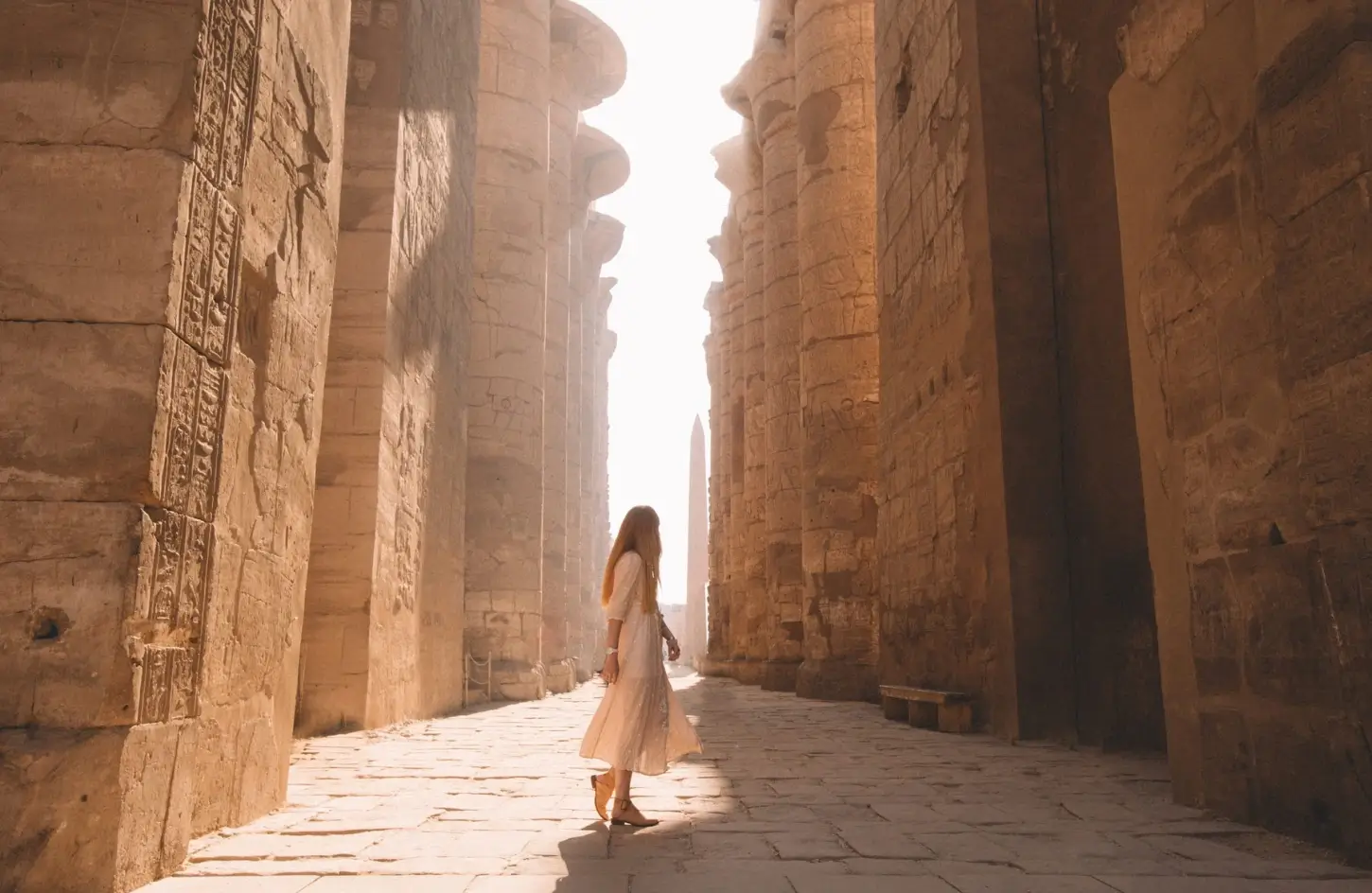
Temperatures climb steadily, reaching 25°C–33°C by May. Late March and April are still a genuinely good time to visit Egypt, with the Khamaseen wind occasionally stirring up dust in the second half of March — rarely more than a day or two of hazy skies. By May, the heat is building fast in Upper Egypt, and this becomes an early-morning-and-evening kind of trip, with long, air-conditioned midday breaks between excursions.
Summer (June–August)
The hottest stretch, with Luxor and Aswan regularly exceeding 40°C and Cairo sitting closer to 34°C. This is not the best time to visit Egypt’s inland temples for most travelers, but it is an excellent time for the Red Sea coast, where prices fall by as much as 30% and dive sites empty out almost entirely.
Autumn (September–November)
My personal pick for the best time to visit Egypt if you want the winter weather without the winter crowds. Temperatures ease back to 22°C–30°C, the Nile is calm, and October in particular blends comfortable days with far fewer tour buses than December, plus warm evenings that make rooftop dinners genuinely pleasant.
Best Time for a Nile Cruise
If a Nile cruise is the centerpiece of your trip, the best time to visit Egypt for cruising is October through April, when daytime deck temperatures are comfortable enough to enjoy sailing between Luxor and Aswan without retreating indoors for hours at a time. December and January bring the most dramatic sunsets over the water but also the highest cabin prices of the year.
I usually point cruise-focused guests toward late October or March, which is quietly the ideal window for a Nile cruise without paying peak-season rates or fighting for a spot on the sun deck. You can browse our full range of Nile cruise itineraries or read more about sailing a Nile cruise from Luxor to Aswan for a route-by-route breakdown, including which boats run smaller, more personal itineraries.
Best Time for Diving and Snorkeling in the Red Sea
Diving changes the calculation entirely, and it’s one of the questions I get asked constantly by guests who want to combine temples with time underwater. The best time to visit Egypt for diving is different from the ideal season for Egypt’s temples, because the Red Sea coast runs on its own microclimate, largely insulated from the Nile Valley’s extremes.
Water temperatures off Hurghada, Marsa Alam, Dahab, and Sharm El Sheikh stay warm nearly year-round, ranging from around 22°C in the coolest winter months to 29°C in late summer, so diving here is genuinely possible in every single month of the calendar — unlike temple-touring, which really does have a wrong season.
That said, if you want the clearest visibility for diving, April to June and September to November are, in my experience, the best time to visit Egypt’s reefs: the water has warmed past its winter low, plankton bloom has settled, and visibility regularly reaches 20–30 meters at sites like Ras Mohammed National Park and the Thistlegorm wreck.
Summer diving (July–August) rewards you with the warmest water of the year and far smaller boats, since most travelers are avoiding the inland heat rather than the coast. You’ll want reef-safe sunscreen, a long-sleeve rash guard, and an early start to beat the midday sun on the surface between dives. Winter diving (December–February) is a touch cooler and occasionally choppier on open-water crossings, but it’s when whale sharks and manta rays are more commonly sighted around Marsa Alam, which makes it a genuinely rewarding trade-off for experienced divers chasing pelagic encounters.
Snorkelers benefit from the same windows as divers, and shallow reef systems near Sharm El Sheikh and Dahab’s Blue Hole stay accessible and warm enough for comfortable swimming from March right through November. For anyone building a full week around the water, I’d steer you toward Hurghada tours or diving around Marsa Alam, both of which run diving and snorkeling excursions year-round with liveaboard options for multi-day reef itineraries.
Sharm El Sheikh tours are another strong base, particularly for day trips to the Blue Hole and Ras Mohammed National Park, and pair naturally with a few extra days spent diving before or after your Cairo and Luxor sightseeing.

Best Time to Visit Egypt to Avoid Crowds
If avoiding crowds matters more to you than avoiding heat, the best time to visit Egypt is the shoulder season: late September, October, March, and April. You get roughly 80–90% of winter’s comfortable weather with a fraction of the tour groups at the Pyramids, Karnak, and the Valley of the Kings, and you can often walk straight into sites that require timed entry or long queues in December. Hotel and cruise prices also tend to sit 20–30% below the December–February peak, and flights from Canada are typically easier to book at reasonable fares.
I always tell budget-conscious travelers that shoulder season is the best time to visit Egypt if they want both comfort and value in the same trip — our budget travel tips for Egypt cover this in more detail, including where those savings show up most.
Visiting Egypt During Ramadan
Ramadan shifts daily life in Egypt for about a month each year, with dates moving roughly 10–11 days earlier annually on the Gregorian calendar since it follows the Islamic lunar calendar. Restaurants and shops keep shorter daytime hours, and the pace in cities slows noticeably until sunset, when the iftar meal breaks the fast and brings streets to life with a completely different, festive kind of energy that many travelers find memorable in its own right.
It’s not necessarily a bad time to visit Egypt — major sites, hotels, and tours stay open as normal — but it does change the daily rhythm of a trip, so I’d only call it the right time to visit Egypt if you specifically want to experience that atmosphere firsthand. First-time visitors planning a trip that overlaps with Ramadan should read our Egypt travel tips before booking, so mealtimes and site hours don’t catch you off guard.
Festivals Worth Timing Your Trip Around
- The Abu Simbel Sun Festival (February 22 and October 22) is the single most dramatic reason to time a trip precisely, when sunlight aligns directly with the inner sanctuary statues — book Aswan hotels early for either date.
- Sham El-Nessim, Egypt’s spring festival marking the start of the season, fills parks with families in late March or April.
- Coptic Christmas (January 7) brings candlelit celebrations across Cairo’s churches and a genuinely warm, communal atmosphere.
- Eid Al-Adha, which shifts earlier each year on the Islamic calendar, brings festive meals and a livelier evening atmosphere to cities nationwide.
Best Time to Visit Egypt with Families
For families traveling with kids, the best time to visit Egypt is autumn through early spring — specifically October, November, or February through April. Daytime temperatures stay comfortable enough for full days outdoors without the heat exhaustion that makes summer genuinely difficult with young children, and a Nile cruise between Luxor and Aswan works especially well during these months, since it keeps children in one contained, air-conditioned environment while still delivering a new temple almost every day.
If your family trip also includes a few beach days, pairing Cairo and Luxor sightseeing in the cooler months with a short Red Sea extension afterward lets kids swim and snorkel in warm water without anyone melting in the desert sun. Our guide to Egypt family tours with kids goes deeper into age-appropriate itineraries.
Best Time to Visit Egypt for Photography
Light matters as much as temperature if photography is a priority. Winter’s low sun angle produces long shadows and warm, golden tones across Karnak and the Pyramids of Giza, especially in the first and last hour of daylight, while the slightly hazy skies of late summer can mute contrast at midday.
Many photographers I’ve guided consider November and February the ideal months for images, since clear desert air combines with softer winter light and thinner crowds in the frame. Sunrise felucca sailings along the Nile are worth building into any month, but they’re at their most atmospheric between October and April, when the morning air carries a light mist off the water.
Egypt Month-by-Month: Quick Reference
For a fast overview, here’s how each stretch of the year generally compares for temperature, crowds, and value:
| Months | What to Expect | Read More |
|---|---|---|
| Oct–Nov | 22°C–30°C, thinning winter crowds, strong shoulder-season value, excellent diving visibility. | Egypt in October / November guides |
| Dec–Jan | 18°C–24°C, peak season, highest prices and crowds, most festive atmosphere of the year. | Egypt in December guide |
| Feb–Apr | Mild, steadily rising temperatures, Abu Simbel Sun Festival in February, possible Khamaseen winds in March. | — |
| May–Sep | 32°C–42°C inland, but warm and dive-friendly along the entire Red Sea coast, best off-peak pricing. | — |
Whichever month you land on, matching the season to your own priorities — heat tolerance, crowd tolerance, or diving conditions — matters more than chasing a single “perfect” month that suits every traveler equally.
Frequently Asked Questions
What month is best to travel to Egypt?
October is usually the single best month to travel to Egypt — daytime temperatures ease to a comfortable 22°C–30°C, summer’s heat has broken, and it’s still ahead of December’s peak crowds and prices. March and November are close runners-up if October doesn’t fit your schedule.
What is the cheapest month to visit Egypt?
June, July, and August are typically the cheapest months, with hotel and Nile cruise rates running 20–30% below the December–January peak, since most travelers avoid the inland heat. If you’d rather skip the worst of the heat but still want lower prices, late September is a good in-between.
What is the hottest month in Egypt?
July and August are the hottest months, with Luxor and Aswan regularly topping 40°C and occasionally touching 45°C. Cairo is a little more forgiving at around 34°C. The Red Sea coast stays the most bearable of anywhere in the country thanks to sea breezes, which is why Hurghada or Marsa Alam make sense if you’re traveling during these months.
Is it safe to go to Egypt right now?
Yes, for the main tourist route. As of Canada’s most recent travel advisory (updated July 29, 2026), the guidance for Egypt is “exercise a high degree of caution” — the same baseline level it’s carried for years — with specific warnings limited to North Sinai (avoid all travel) and remote desert border areas. Cairo, Luxor, Aswan, Nile cruises, and Red Sea resorts fall outside those zones and see millions of visitors safely every year. As always, it’s worth checking travel.gc.ca for the latest update before you book.
What is the best time to visit the Pyramids of Giza?
October through April, with sunrise or the last two hours before closing giving you the coolest temperatures and softest light. Our dedicated guide to timing your Pyramids visit breaks this down hour by hour.
What is the best time to visit Egypt for a honeymoon?
October, November, or March combine pleasant weather with fewer crowds at photogenic sites like Abu Simbel and Philae Temple.
Is solo travel affected by the season I choose?
Not significantly — shoulder season simply means calmer sites and easier logistics; our Egypt solo female travel guide covers safety and planning tips that apply year-round.
Conclusion
After 25 years guiding travelers across this country, the honest answer to “when is the best time to visit Egypt” is: it depends on what you came for. If you want classic postcard weather across Cairo, Luxor, and Aswan, aim for October through April. If you want the temples nearly to yourself, come in summer and explore in the early mornings.
If diving is the whole point of your trip, plan around April to June or September to November for the clearest Red Sea water, though honestly, the reefs reward you in almost any month. I’ve built seasonal advice into every private tour I plan, and I’m happy to help you match your dates to the experience you actually want — reach out and we’ll design a tailor-made Egypt itinerary around exactly the season, and exactly the pace, that suits you.