
What are the top things to do in Luxor?
Split your time between the East Bank’s Karnak & Luxor Temples and the West Bank’s Valley of the Kings & Hatshepsut Temple — plus a sunrise balloon ride and a Nile felucca sail.
Balloon at dawn sunrise ride over West Bank temples, magical & unmatched
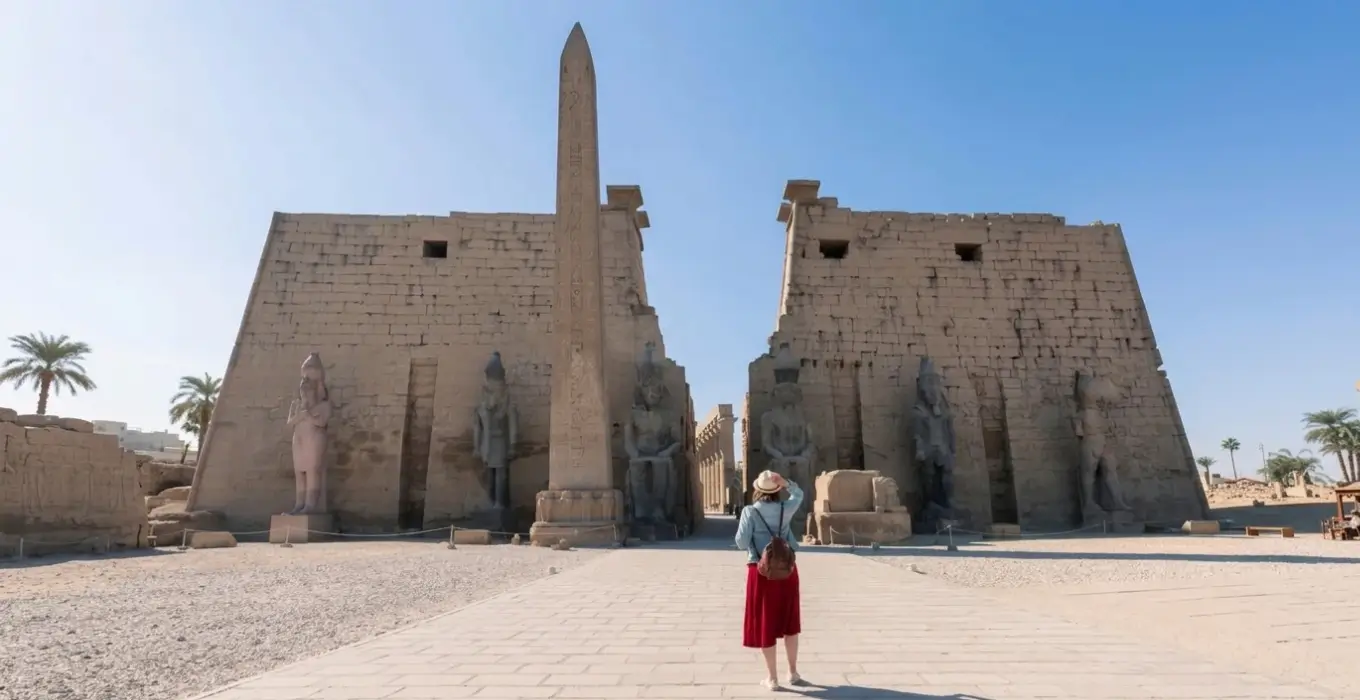
Karnak + Luxor Temple East Bank icons, visit Karnak AM, Luxor Temple PM
Valley of the Kings 60+ royal tombs, go early for cooler temps, ~$24 entry
Felucca at sunset traditional sail on the Nile, most romantic close to the day
I remember the quiet gasp of a traveler as dawn first touched the peak of Hatshepsut’s temple. The only sound was our footsteps on the cool stone. “It’s like the mountain is waking up,” she whispered. In twenty years as a licensed guide, I’ve learned it’s these silent moments that truly define a journey here. Whether travelers join longer Luxor Packages or short cultural experiences, these authentic encounters are often the memories they treasure most.
You are standing in what was once Thebes, the heart of the pharaohs. Today, we call it Luxor. This city isn’t just a destination; it is the world’s greatest open-air museum. Astonishingly, it safeguards one-third of all the ancient monuments on earth within its embrace. From immersive temple visits to expertly guided Luxor Day Tours, every corner of the city reveals another remarkable layer of ancient Egyptian history.
Planning your perfect trip requires more than a map. It needs the insight that turns a standard day into a lifelong memory. I am Momo, and I want to share that local knowledge with you. From the golden light of dawn to history’s quiet corners, this guide covers every essential detail. Let me help you discover the very best things to do in Luxor.
Key Takeaways
- Luxor is widely regarded as the planet’s greatest open-air museum.
- The city, formerly known as Thebes, contains one-third of the world’s ancient monuments.
- Expert local insight is key to transforming a simple visit into an unforgettable experience.
- This guide provides essential details on timing, such as sunrise, and on lesser-known locations.
- A private tour with a licensed guide offers a profound, personalized connection to the history.
- You can contact Momo directly via WhatsApp or his website to arrange a custom trip.
Exploring Luxor with Momo
My love affair with this magnificent place began in a classroom, where I learned about its glorious past as Egypt’s capital. That fourth-grade lesson planted a seed that grew into my life’s passion.
My Personal Journey and First Impressions
My first glimpse of these ancient wonders left me breathless. Overwhelming awe filled my young heart, a feeling that still returns with every sunrise.
Two decades later, that initial wonder remains undiminished. Each day brings new discoveries in this living museum.
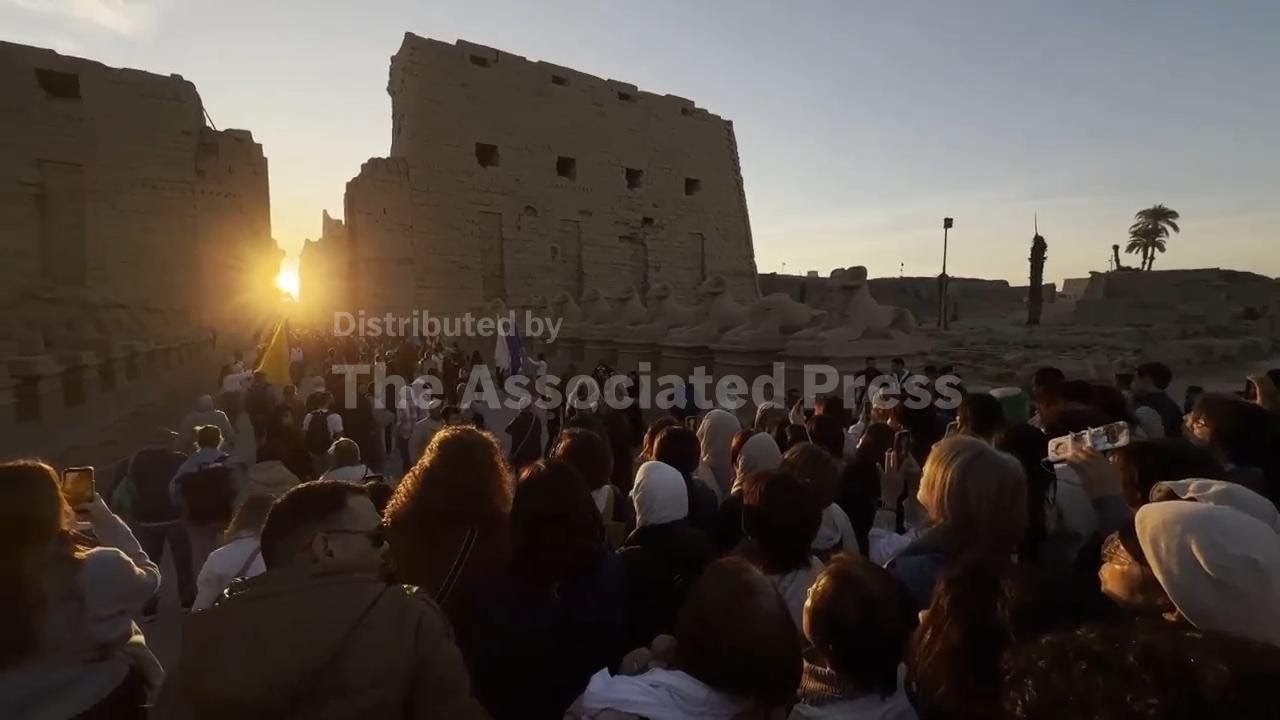
A Warm Welcome and Why Luxor Captivates My Heart
The warmth of Upper Egypt’s people rivals the grandeur of its monuments. Their hospitality makes every visitor feel truly welcome.
Exploring layers of history here creates profound connections. You’ll experience the past in deeply personal ways that linger long after you leave.
My mission is simple: share this magical experience. I want your visit to spark the same wonder that draws me back daily.
Rich Heritage of Luxor: A Traveler’s Perspective
Standing on the banks of the Nile, I feel the weight of millennia pressing gently on my shoulders. This river divides more than land—it separates worlds of the living from realms of eternity.
In 1979, UNESCO recognized the profound significance of these sacred grounds. They declared the necropolises World Heritage Sites, preserving them for generations yet unborn.
The East Bank thrums with echoes of administration and worship. Meanwhile, the West Bank whispers secrets of the afterlife. Ancient Egyptians saw sunset in the west as a journey toward rebirth.
| Bank | Purpose | Symbolism |
|---|---|---|
| East Bank | Center of worship | Land of the living |
| West Bank | Gateway to eternity | Realm of the dead |
Look beyond weathered stone surfaces. Each carving tells part of our human story. Ancient Egyptian history shaped civilizations over centuries.
Unveiling the East Bank: Temples & Treasures
Crossing the Nile’s eastern shore feels like stepping into a sacred landscape. The air hums with ancient prayers. Here, two magnificent structures dominate the horizon.
Luxor Temple Insights: Timing Your Visit and Local Phrases
I recommend arriving at Luxor Temple before sunset. The golden hour transforms stone into liquid light. You’ll witness shadows dancing across hieroglyphs.
Local vendors can be persistent but friendly. A simple “Laa Shokran” (no, thank you) works wonders. It shows respect while maintaining boundaries.
Karnak Temple Highlights: My Favorite Corners and Rituals
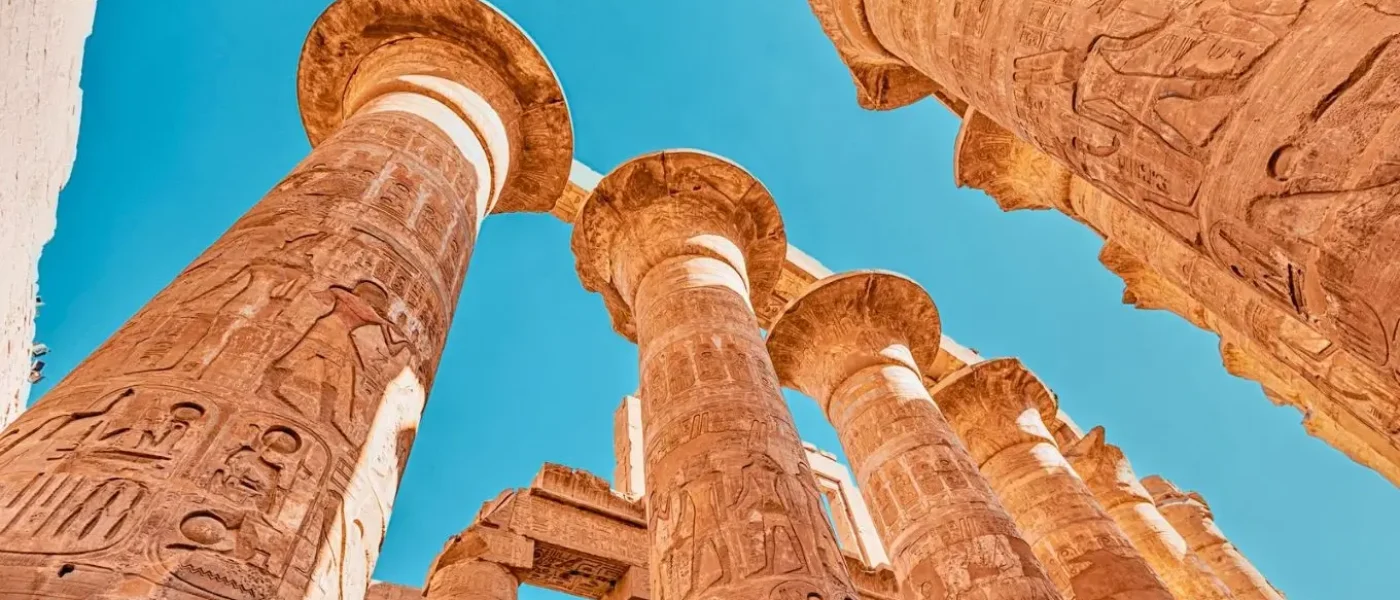
Karnak Temple’s scale overwhelms first-time visitors. The Great Hypostyle Hall features 134 towering columns. Walking beneath them feels like entering a stone forest.
My personal sanctuary is the Sacred Lake. Its still waters reflect centuries of devotion. This quiet corner offers perfect moments for reflection.
These temples are connected to the Avenue of Sphinxes. Ancient priests once walked this path during festivals. Today, you can follow their footsteps.
| Temple | Distance Apart | Key Feature | Best Time |
|---|---|---|---|
| Luxor Temple | 3 km from Karnak | Evening light show | Late afternoon |
| Karnak Temple | 3 km from Luxor | Hypostyle Hall | Morning hours |
The West Bank Wonders: Tombs, Temples, and Views
Crossing the Nile feels like passing between worlds. The West Bank welcomes you with silent majesty. Ancient spirits seem to linger among the golden cliffs.
This sacred landscape holds secrets waiting to be discovered. Every stone whispers stories of pharaohs and their eternal journeys.
Queen Hatshepsut’s Mortuary Temple and Its Secret Stories
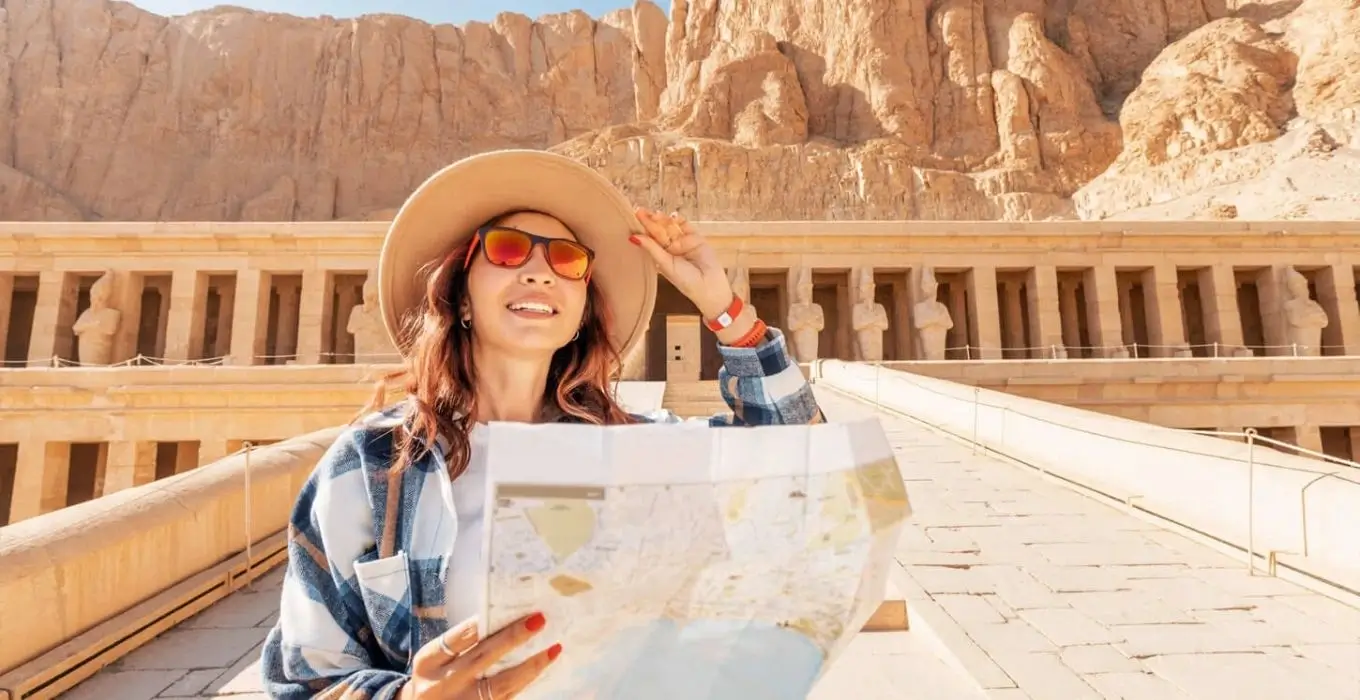
Queen Hatshepsut’s mortuary temple rises in three magnificent terraces. It blends perfectly with the mountain behind it. The architecture feels both powerful and graceful.
Hidden chambers reveal stories of Egypt’s female pharaoh. Her reign was both prosperous and controversial. These walls remember her ambitious spirit.
Exploring the Valley of the Kings and Queens with Practical Tips
The Valley of the Kings’ underground tombs number over sixty. Each offers vibrant paintings and hieroglyphs. Morning visits provide cooler temperatures and softer light.
Wear comfortable shoes and carry plenty of water. The desert heat can be intense even during the winter months.
Don’t miss Deir el-Medina, the ancient workers’ village. It shows how tomb builders lived and worked. This hidden corner offers rare insights into daily life in ancient times.
The Colossi of Memnon guard a vanished temple entrance. These massive statues have witnessed centuries of history. They stand as silent sentinels against time.
For a deeper exploration of these wonders, consider private West Bank tours. They reveal layers most visitors never see.
Things to do in Luxor
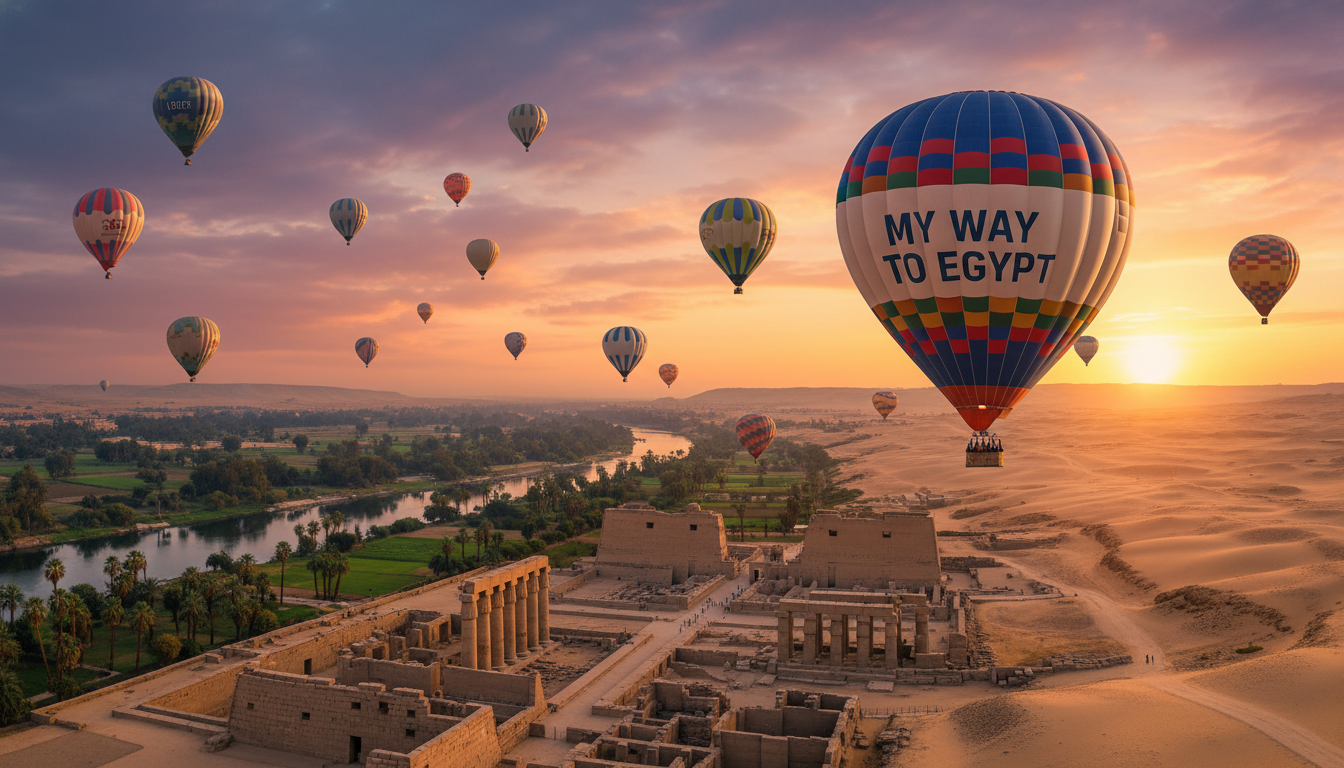
Sunlight dances on temple walls, illuminating hieroglyphs that have waited millennia for your gaze. With countless treasures spanning both riverbanks, choosing where to focus your time becomes an art form.
I always recommend blending grand monuments with quiet moments of reflection. The Ramesseum offers breathtaking scale that inspired poets through the ages. Meanwhile, peaceful riverbank gardens provide space to absorb all you’ve witnessed.
Simple pleasures often become the best things remembered. Watching sunset paint the Nile gold from a quiet vantage point creates memories that linger long after you return home.
For those seeking guidance on things Luxor offers most uniquely, I’m here to help craft your perfect itinerary. Together, we’ll ensure you experience the highlights without feeling rushed by crowds.
The right balance of ancient wonders and personal moments makes all the difference. These things Luxor reveals slowly become treasures you carry forever.
Experience High-Flying Romance: Hot Air Balloon Rides
Dawn breaks in silent majesty over the West Bank. The world below still sleeps while the first hot air balloons begin their gentle ascent. This magical moment transforms the landscape into a living painting.
Why a Sunrise Balloon Ride is a Magical Must-Do
A hot air balloon ride at sunrise offers an unparalleled experience. You drift silently above ancient temples while the sky turns gold. Few travelers witness this breathtaking perspective.
I always recommend booking your air balloon adventure early. Securing a spot for morning departure ensures you won’t miss this highlight. The peace of floating high above feels truly special.
This hot air balloon ride offers quiet moments to appreciate the vast desert landscapes. Seeing the Nile snake through history from above creates unforgettable memories. It’s the perfect romantic start to any day here.
The Enchantment of Nile Cruises and Felucca Rides
Watching sunset from the deck of a felucca, I feel connected to every traveler who has ever trusted these waters. The gentle rocking motion becomes a rhythm that syncs with your heartbeat.
A traditional felucca offers the most authentic way to cross from one riverside to another. This simple wooden boat ride creates memories that last forever.
Practical tips for a scenic and safe river adventure
Always check the boat’s condition before boarding. Ensure your captain has proper experience navigating these ancient waters.
Multi-day Nile cruise journeys reveal Egypt’s changing landscapes as you sail toward Aswan. The gentle movement provides perfect relaxation after exploring temples.
Whether choosing luxury or simplicity, this river experience remains essential. The Nile’s timeless flow connects all who venture here.
For those traveling with children, these peaceful, family-friendly activities create special moments. The water’s gentle rhythm comforts all ages.
Every Nile cruise reveals new perspectives on ancient wonders. From the water, temples appear different yet equally magnificent.
Immersing in Luxor’s Museum and Local Arts
Cool marble floors whisper beneath my feet as I enter the museum’s hallowed halls. This modern sanctuary preserves treasures that bring outdoor monuments to life.
Discovering treasures through art and ancient artifacts
The New Kingdom statues here take my breath away. Their perfect preservation reveals incredible ancient Egyptian craftsmanship.
My personal favorite remains the statue of Thutmosis III. His stone gaze contains centuries of wisdom. This masterpiece demonstrates artistic skill that still inspires awe.
Local artists continue this creative legacy today. Their work connects modern culture with ancient traditions. This living museum helps visitors understand the full scope of our history.
Each artifact tells a story about the people who created it. They bridge the time between pharaohs and present-day visitors. This collection provides the perfect context for everything you’ll see outside.
Relishing Local Flavors: Luxor’s Best Food Spots
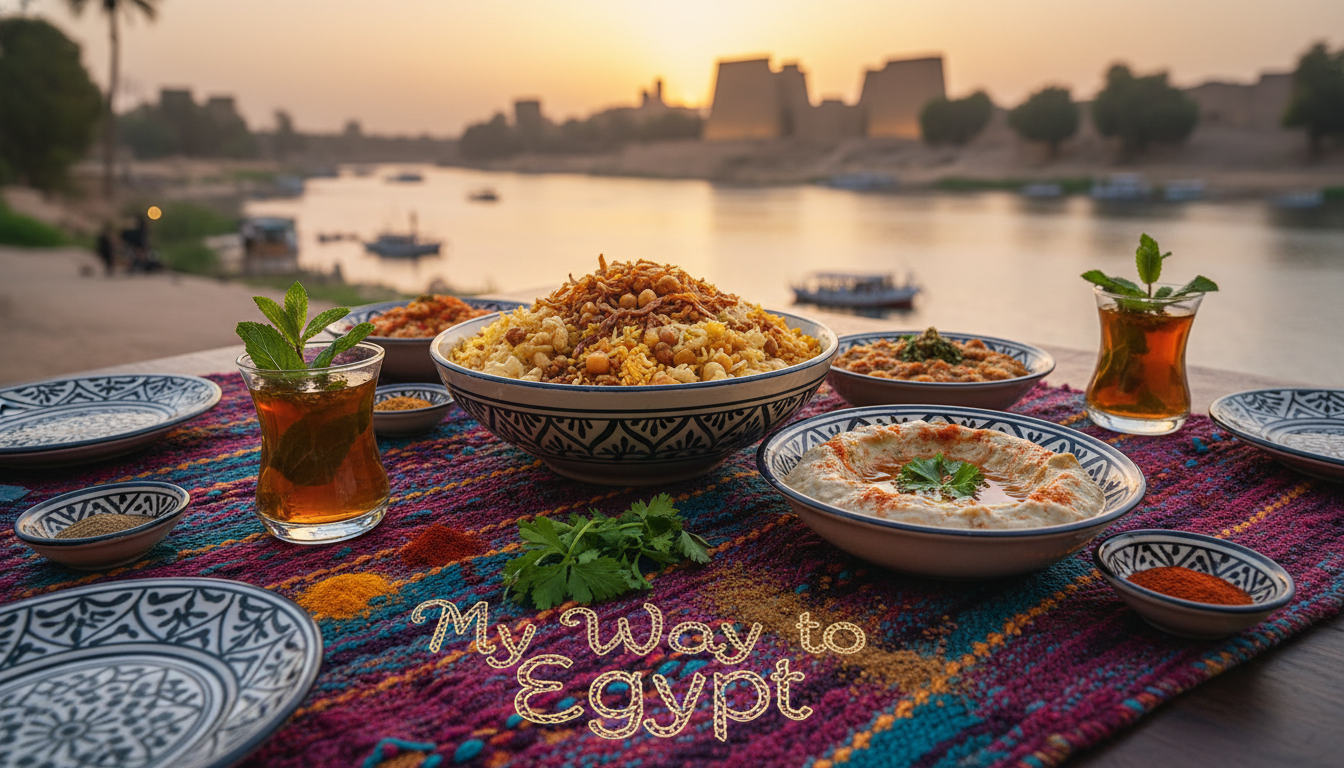
The scent of slow-cooked spices greets me before I even reach the doorway, a warm invitation from a family kitchen. This aroma tells stories of generations perfecting recipes.
One of my favorite places to eat remains a small, family-run restaurant near the temple district. They prepare traditional Egyptian dishes with ingredients gathered fresh each morning.
My insider recommendation: A trusted local restaurant
Upper Egypt’s flavors dance with a distinct character. Local bread emerges warm from clay ovens. Slow-cooked vegetable stews simmer for hours.
I always tell guests that sharing a meal connects them deeply with the local culture during their trip. Breaking bread together creates bonds that transcend language.
Whether seeking quick nourishment or leisurely dining, authentic hospitality awaits. Many welcoming establishments offer genuine warmth alongside delicious food.
My personal recommendation is to try koshary or fresh tagine. These dishes represent the heart of our culinary heritage. They remain among the best things you can taste here.
| Dish | Flavor Profile | Cultural Significance |
|---|---|---|
| Koshary | Complex, hearty comfort | National dish of Egypt |
| Tagine | Slow-cooked aromatic | Traditional celebration meal |
| Fresh Bread | Warm, earthy | Daily staple for millennia |
Navigating Luxor: Transport and Safety Tips
The gentle clip-clop of horse hooves on ancient pavement creates a rhythm that guides you through Luxor’s streets. Moving through this living museum requires thoughtful planning for both transportation and comfort.
Strategies for Taxis, Carriages, and Walking Tours
Horse-drawn carriages offer romantic journeys through the city. Always agree on the final price before beginning any ride.
Taxis provide efficient transport across longer distances. Negotiate the price clearly to avoid confusion later.
Walking tours reveal hidden details most visitors miss. They allow you to discover the city at your own pace.
For a stress-free trip, consider booking a private tour. This ensures smooth transportation throughout your stay.
Staying Safe and Comfortable While Exploring
The desert sun demands respect even during cooler months. Wear protective headgear and carry ample water.
Most drivers offer friendly service across Luxor. Still, keep emergency information handy just in case.
If you need assistance, the tourist police provide reliable help. Dial 126 for immediate support during your visit.
Always confirm the final price before accepting any transportation service. This simple step prevents misunderstandings.
Knowing the typical price range for rides gives you confidence. Ask your hotel for current rate information.
Things to Do in Luxor at Night
Most visitors pack their days with temples and tombs, then wonder what to do after sunset — but Luxor at night is one of Egypt’s great underrated experiences. The city transforms after dark, and several of its finest attractions are actually better visited in the evening hours.
- Luxor Temple after dark is the single best night activity in the city. The temple stays open until 9 PM and is fully illuminated, with warm golden light playing across the towering columns of Ramses II and the twin obelisks at the entrance. The crowds that fill the site at midday thin out considerably, and the reflection of the lit stone in the Nile creates an atmosphere that daytime visits simply cannot match. Entry costs the same as daytime — there’s no reason to skip it.
- Karnak Sound and Light Show runs nightly and is the only way to experience the Karnak complex after dark. Visitors walk through the temple’s pylons and colonnaded halls while narrated lighting sequences illuminate the site’s most dramatic features. The show runs in English, Arabic, French, and other languages, depending on the night — check the schedule at your hotel. It typically starts at 8 PM and lasts around an hour.
- The East Bank corniche is ideal for an evening stroll. The strip running along the Nile between Luxor Temple and the Winter Palace Hotel comes alive after sunset, with local families out walking, felucca boats moored along the bank, and open-air cafés serving tea and shisha. For dinner, the cluster of restaurants on Mohamed Farid Street — a five-minute walk from Luxor Temple — offers authentic Egyptian food at honest prices. Sofra Restaurant is consistently the best local option.
For nightlife beyond temples and restaurants, Luxor is quiet compared to Cairo — but that is very much part of its appeal.
Shopping in Luxor, Egypt: old markets
Luxor is one of the best places in Egypt to buy authentic souvenirs — and one of the easiest places to overpay if you don’t know where to go. The good news: once you know the right spots and the basic rules of haggling, shopping here is genuinely enjoyable.
- The Old Souk (Old Market Street) is the heart of shopping in Luxor. Running parallel to the Nile on the East Bank, this covered street market stretches for several hundred meters and is packed with stalls selling alabaster figurines, hand-painted papyrus, scarves, essential oils, galabiya robes, and replica cartouches in gold and silver. Prices are never fixed — opening offers are typically two to three times the fair value, so haggle confidently and walk away if needed. Sellers will almost always call you back.
- Alabaster workshops in Gurna on the West Bank are worth a visit for anyone interested in higher-quality stonework. Local craftsmen carve vases, bowls, canopic jars, and scarabs from Luxor’s distinctive honey-colored alabaster. Buying directly from workshops cuts out the middleman and means you can watch the pieces being made.
What to buy in Luxor:
- Alabaster figurines and bowls (West Bank workshops for the best quality)
- Hand-painted papyrus (ask vendors to demonstrate the “real” papyrus test — genuine papyrus bends without cracking)
- Cartouche jewelry with your name in hieroglyphics
- Pashmina scarves and cotton galabiya robes
- Locally produced essential oils and kyphi (ancient Egyptian-style incense blends)
One important note: vendors along the main tourist routes near Karnak and Luxor Temple sometimes sell items labeled as “genuine antiques.” Real antiquities cannot legally be exported from Egypt — anything sold openly as an antique at a souk stall is a reproduction. Buy it if you like it, but know what you’re actually purchasing.
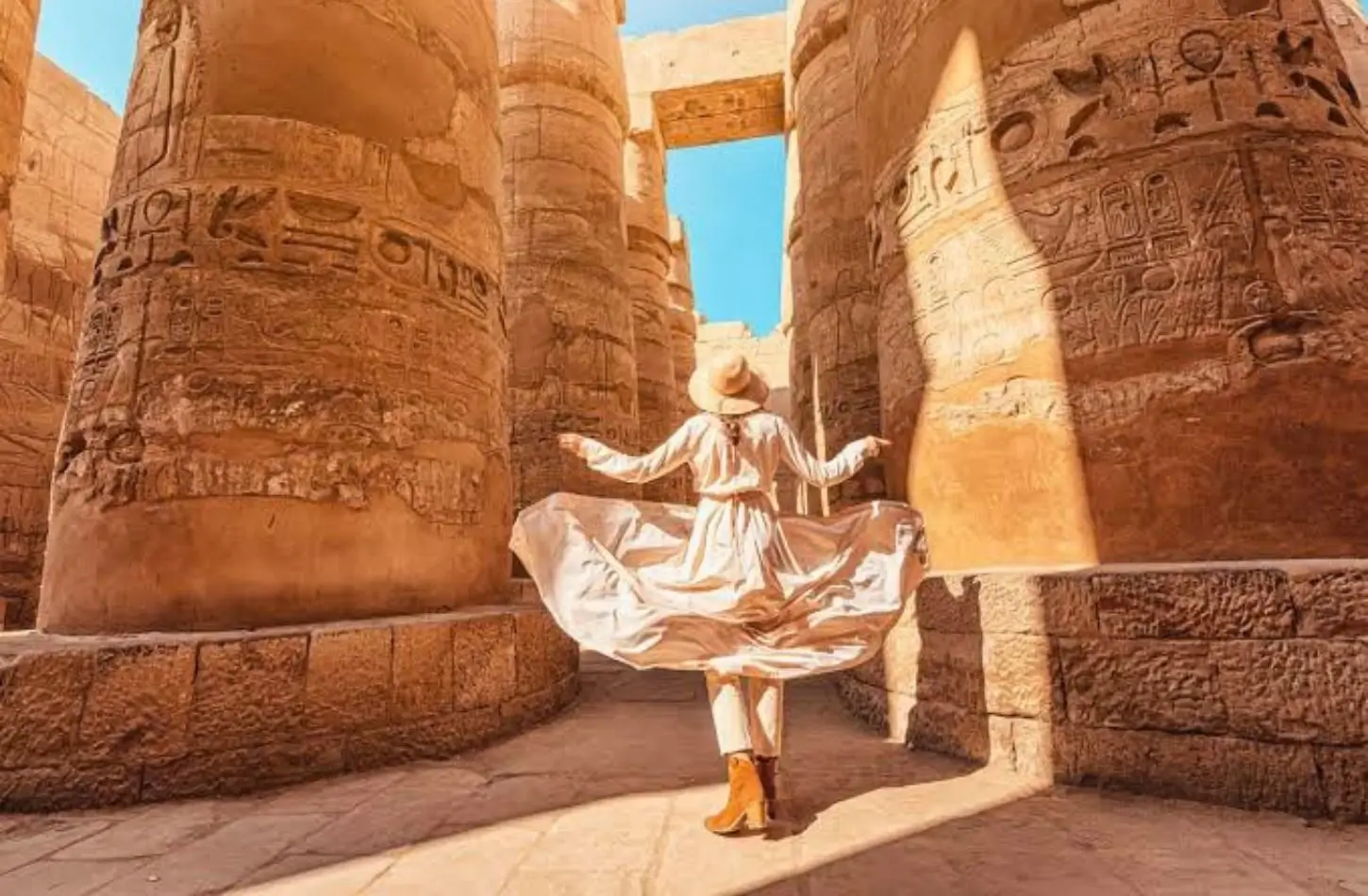
Practical Details: Entrance Fees, Hours, and Dress Code
Morning light reveals ancient stones as visitors gather at temple gates. Proper planning ensures your journey flows smoothly from dawn until dusk.
Up-to-date ticket prices and essential visitor tips
Current admission price varies by location. Karnak Temple costs 600 EGP ($19). Luxor Temple is 500 EGP ($16).
Valley of the Kings requires 750 EGP ($24). Queen Hatshepsut’s mortuary temple charges 360 EGP ($11.50).
Always verify the latest price on official tourism websites. Rates may change without notice.
Most historical sites open at 6 AM. Arrive early to beat both heat and crowds.
| Attraction | Price (EGP) | Price (USD) | Opening Time |
|---|---|---|---|
| Karnak Temple | 600 | 19 | 6:00 AM |
| Luxor Temple | 500 | 16 | 6:00 AM |
| Valley of the Kings | 750 | 24 | 6:00 AM |
| Hatshepsut Temple | 360 | 11.50 | 6:00 AM |
You need to know the proper dress code before entering sacred spaces. Shoulders and knees should remain covered.
Carry Egyptian pounds for small purchases. Many vendors don’t accept cards or foreign currency.
This practical information helps you focus on wonder rather than logistics. Proper preparation makes every moment more meaningful.
Hidden Corners and Secret Spots: Off the Beaten Path
Beyond the well-trodden paths lies a quiet sanctuary where ancient whispers still linger in the air. These hidden places offer peace that contrasts beautifully with bustling main attractions.
My personal tip for escaping the crowds is to visit the Temple of Seti I. This quiet site remains overlooked by many travelers, preserving its tranquil atmosphere.
Discovering Luxor’s less-traveled gems with my personal tip
Smaller tombs and temples often contain the most intimate artwork. Their quiet beauty reveals ancient craftsmanship in exquisite detail.
Exploring these secret spots provides a deeper appreciation for the landscape’s scale. Discovering hidden gems ranks among the best things any visitor can experience.
Whether wandering through quiet gardens or remote tombs, these moments create truly special memories. They transform a standard visit into something profoundly personal.
Tailored Experiences: Private Tours with Momo
In the quiet moments before dawn, I envision the perfect day unfolding for each unique visitor. Crafting personalized journeys through this ancient landscape remains my greatest passion.
How Custom Exploration Elevates Your Journey
Booking a private tour allows complete customization of your experience. You’ll spend meaningful time at sites that truly captivate your imagination.
I take pride in offering insights beyond standard itineraries. My stories reveal layers of history most visitors never discover.
This personalized approach ensures comfort and safety throughout your trip. Navigating ancient wonders becomes effortless with expert guidance.
Creating unforgettable memories ranks among the best things I offer travelers. Each custom tour reflects your specific interests and pace.
You can easily arrange your private tour through WhatsApp or by visiting my website. I look forward to crafting your perfect experience as you explore this magnificent region.
For those seeking truly personalized exploration, consider customizing your Egypt tour to match your specific interests.
Capturing the Moment: Photography and Personal Stories
A camera shutter clicks softly, freezing time against a stone carved centuries ago. This ancient landscape offers perfect frames everywhere you look.
Patience rewards photographers here. Wait for golden hour light to kiss hieroglyphs just right. Shadows dance across carvings, revealing stories in stone.
Tips for Snapping Unforgettable Images
The best photos often capture personal discovery. They show genuine wonder at first sight. These moments become treasures you carry home.
Zoom in on intricate details that whisper ancient secrets. Each carving holds fragments of our shared human history.
Remember to pause your photography sometimes. Simply breathe in the majesty of this sacred place. Your memories deserve moments without lenses, too.
Every visitor creates unique images here. From phone snapshots to professional portraits, each frame preserves your personal experience.
Planning Your Luxor Adventure: When and How to Book
Cool desert breezes whisper through palm fronds as the morning sun paints golden light across ancient stones. Timing your journey transforms a simple visit into something truly magical.
October through April offers the perfect weather for exploration. These cooler months make outdoor adventures comfortable and memorable.
Best Seasons to Visit and Crafting Your Perfect Itinerary
I always recommend booking your trip well in advance. This ensures you secure the best things – premium guides and ideal accommodations.
Planning during shoulder season saves money and offers quieter moments at monuments. You’ll enjoy more space for personal reflection.
Three days represent the minimum time needed for major highlights. This prevents feeling rushed while honoring the desert heat.
You need to know that proper preparation makes your entire trip more enjoyable. Whether traveling solo or with family, organization reduces stress.
For those extending their Egyptian adventure, consider adding Cairo tours to your itinerary. This creates a comprehensive journey through ancient wonders.
Conclusion
Your adventure in this timeless city is more than a checklist of sites. It’s a personal voyage into the heart of human history.
Luxor leaves an imprint on your soul. The silent tombs and towering temples connect you directly to ancient Egypt.
From a serene Nile cruise at sunset to a dawn hot air balloon flight, the best things here create lifelong memories. Every day reveals new wonders.
I would be honored to help craft your perfect trip. Let’s design a private tour that captures your dream experience.
Thank you for letting me share the magic of my home with you.
FAQS
What are the must-see attractions in Luxor?
Because Luxor is essentially a massive open-air museum split by the Nile, Google prioritizes the definitive heavy-hitters. The absolute non-negotiables that feature in every top result are:
- The West Bank: The Valley of the Kings (where King Tutankhamun and Ramses II were buried) and the striking cliffside Mortuary Temple of Hatshepsut.
- The East Bank: Karnak Temple (the largest ancient religious complex ever built) and the beautifully preserved Luxor Temple right in the city center.
How many days do you need in Luxor?
2 to 4 days is the sweet spot.
- Day 1 (East Bank): Exploring Karnak and Luxor Temples.
- Day 2 (West Bank): Heading out early to the Valley of the Kings, Hatshepsut’s Temple, and the Colossi of Memnon.
- Days 3–4: Taking a sunrise hot air balloon ride, a relaxing sunset Nile cruise on a traditional felucca sailboat, or taking a day trip to nearby Dendera or Abydos.
What is the best time of year to visit Luxor?
The consensus across Google’s top search results is October to April. During these winter months, the weather is pleasant and daytime temperatures are comfortable for walking around unshaded stone ruins.
A quick heads-up: If you visit between May and September, daytime temperatures routinely clear 40. If you go then, Google’s top travel blogs recommend doing all your sightseeing at dawn and hiding by a pool by noon.
Is it better to stay on the East Bank or West Bank in Luxor?
This is a major logistical question for travelers. Google highlights the distinct differences between the two sides:
- The East Bank is the bustling, urban side. It holds the train station, luxury resorts (like the historic Winter Palace), and most of the restaurants and markets.
- The West Bank is much more rural, quiet, and laid-back, offering smaller guesthouses nestled against green farmland and desert cliffs.
Is a hot air balloon ride in Luxor worth it?
Yes, this consistently ranks as one of the top-rated experiences under the “things to do” umbrella. Search snippets highly recommend the sunrise flight, which takes you up over the Nile, the green sugarcane fields, and the massive West Bank archaeological monuments right as the sun hits the desert canyons.