
Family tours in Egypt go best when you match the pace to your child’s attention span instead of a tour bus schedule. The best plans include two or three main sites each day, like the Pyramids, the Grand Egyptian Museum, or a felucca ride, along with time for swimming, good meals, and early starts to avoid the heat and crowds. Having a licensed guide who takes time for questions can turn a busy day into a lasting memory.
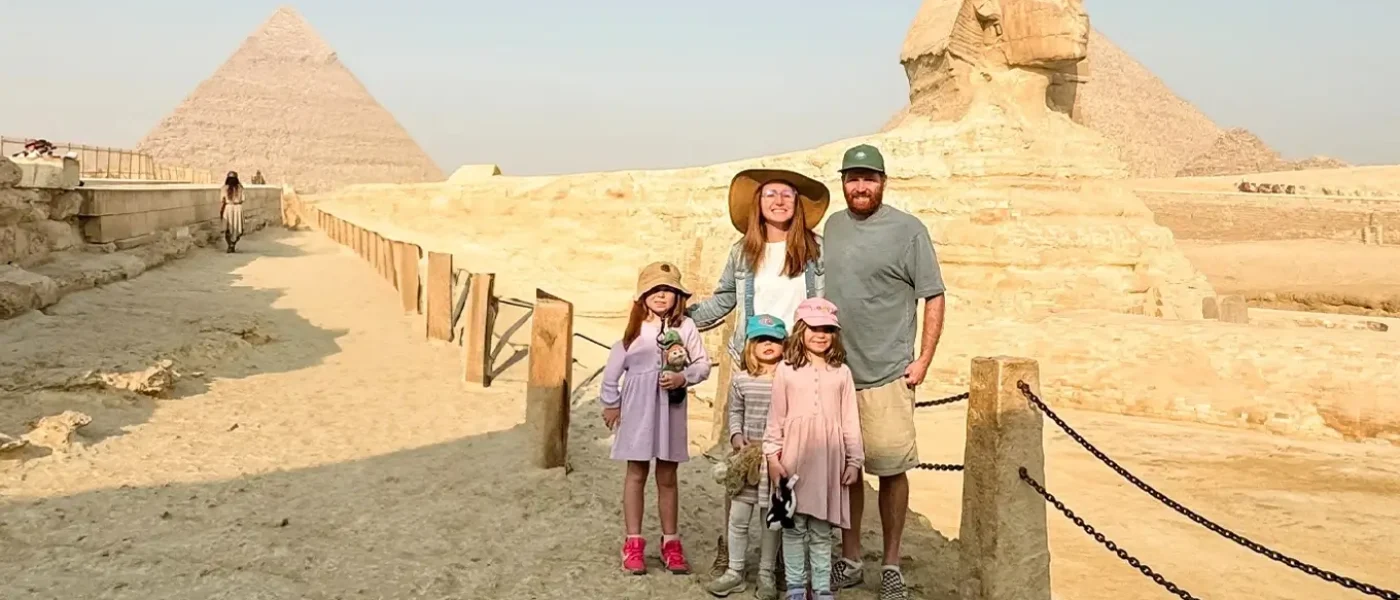
I remember a boy, just waist-high, standing still as the first sunlight touched the Sphinx’s face. “It’s real,” he whispered, holding his father’s hand. After 25 years of guiding families, I still aim for moments like this on every trip—when history turns from words on a page into something you can feel.
My name is Momo. I’m a licensed Egyptologist guide, and for 25 years I’ve helped families—including my own and many others—explore Egypt without missing what makes it special. Here is my honest advice: real prices, real logistics, and the hidden spots most tours skip.
Egypt Travel with Kids
Egypt is a great option for families who can plan for two things: the heat and the pace of travel. Most direct flights from the US or Europe take about 10 to 12 hours. I suggest keeping your first full day simple, with just some time at the pool and an early dinner. Kids often feel jet lag more than adults, and trying to visit the Pyramids right away without rest usually backfires. For most nationalities, a US e-visa or visa-on-arrival costs $25 and only takes a few minutes to get at Cairo International Airport.
A trip of 7 to 10 days is ideal if you want to see Cairo and also visit Luxor or Aswan without feeling rushed. If you only have 4 or 5 days, it’s better to stay in Cairo instead of trying to fit in a flight to the south. The best time to visit is from October to April, when daytime temperatures are comfortably in the 20s Celsius (70s to 80s Fahrenheit), instead of the extreme heat of over 40°C (104°F) in the summer.
Is Egypt Good for Family Travel?
Yes, Egypt is actually one of the easier long-haul destinations for families, as long as you plan for the heat and keep a comfortable pace. Kids under 6 can enter almost all the major sites for free, and most hotels—even in historic areas—have pools.
The two main attractions, the Pyramids of Giza and a Nile cruise, are both great for children because they are visually impressive and don’t involve long, quiet museum visits. The key is to make sure everyone stays hydrated, uses sun protection, and has some downtime between sightseeing.
Best Age for Kids to Visit Egypt
Any age can work for a visit, but what you get out of the trip changes as kids get older.
- Kids under 6 usually get in free, but the heat, long walks, and lots of history can be tough. Shorter days are best, and a Nile cruise with a pool deck is often the easiest option.
- Ages 6 to 12 are ideal in my experience. Kids this age are old enough to be wowed by the size of places like the Great Pyramid or Karnak’s columns, but still young enough to enjoy camel rides and market stalls just for fun.
- Teens (13 and up) often get interested in the history itself, like mummification, hieroglyphs, and tomb design. They can also handle longer days, more temples, and extra trips such as Abu Simbel.

Is Egypt Safe for Kids?
Yes, for the places most families visit. As of 2026, the U.S. State Department rates Egypt at Level 2, or “Exercise Increased Caution,” which is the same as much of Western Europe. The strict “Do Not Travel” warning only applies to the Northern and Middle Sinai Peninsula and some parts of the Western Desert near the Libyan border. These areas are not part of a typical family trip. Cairo, Giza, Luxor, Aswan, and the main Red Sea resorts are all within Egypt’s main tourist zones, and Tourist Police (call 126) are stationed at major sites.
The everyday risks are similar to those in any big city: petty theft, pushy vendors, and fast-moving traffic. Sexual harassment is a known issue for women traveling in Egypt, so I recommend avoiding walking alone or using public transport late at night, no matter who is in your group. Kidnapping, violent crime against tourists, and terrorism are not real concerns on a typical Cairo–Luxor–Aswan trip. Still, check your government’s latest travel advice before booking, as it can change.
Cairo & Giza with Kids
Cairo’s skyline mixes ancient monuments with a busy city of over 20 million people living their daily lives. This contrast is what makes a first day here exciting for kids. It doesn’t feel like a museum—it feels alive.
The Egyptian Museum in Tahrir Square or the new Grand Egyptian Museum (GEM) near Giza are great places to start. GEM is now fully open and has the entire Tutankhamun collection on display for the first time. As of mid-2026, tickets cost about 1,450 EGP (around $30 USD) for foreign adults, about 730 EGP (around $15 USD) for children ages 6–12 and students, and are free for children under 6. You need to book tickets online in advance through the official GEM website, as walk-up sales are no longer available. The older Egyptian Museum in Tahrir is smaller and works well if you only have half a day, with tickets for foreign adults at about 550 EGP (around $11 USD).
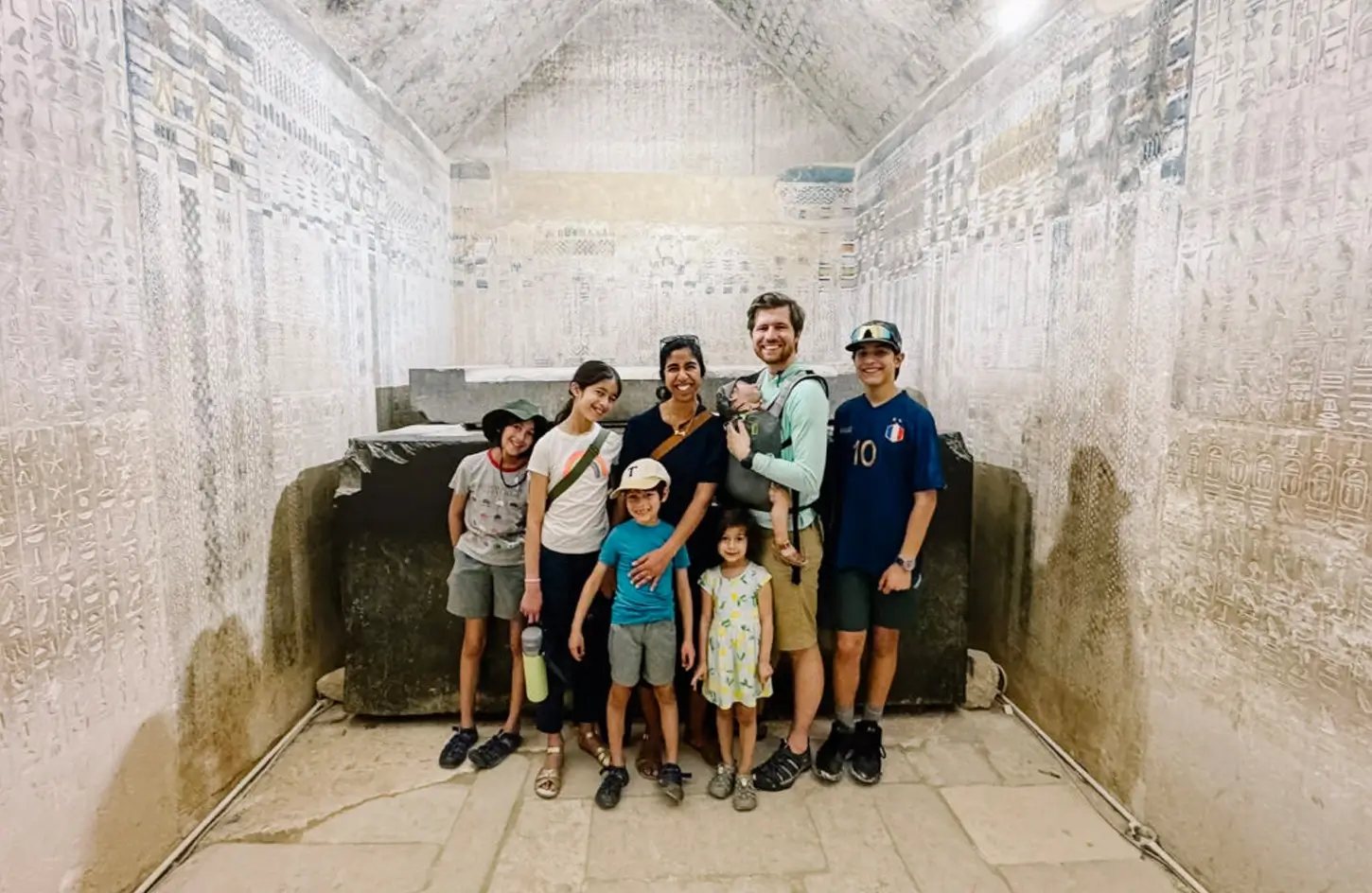
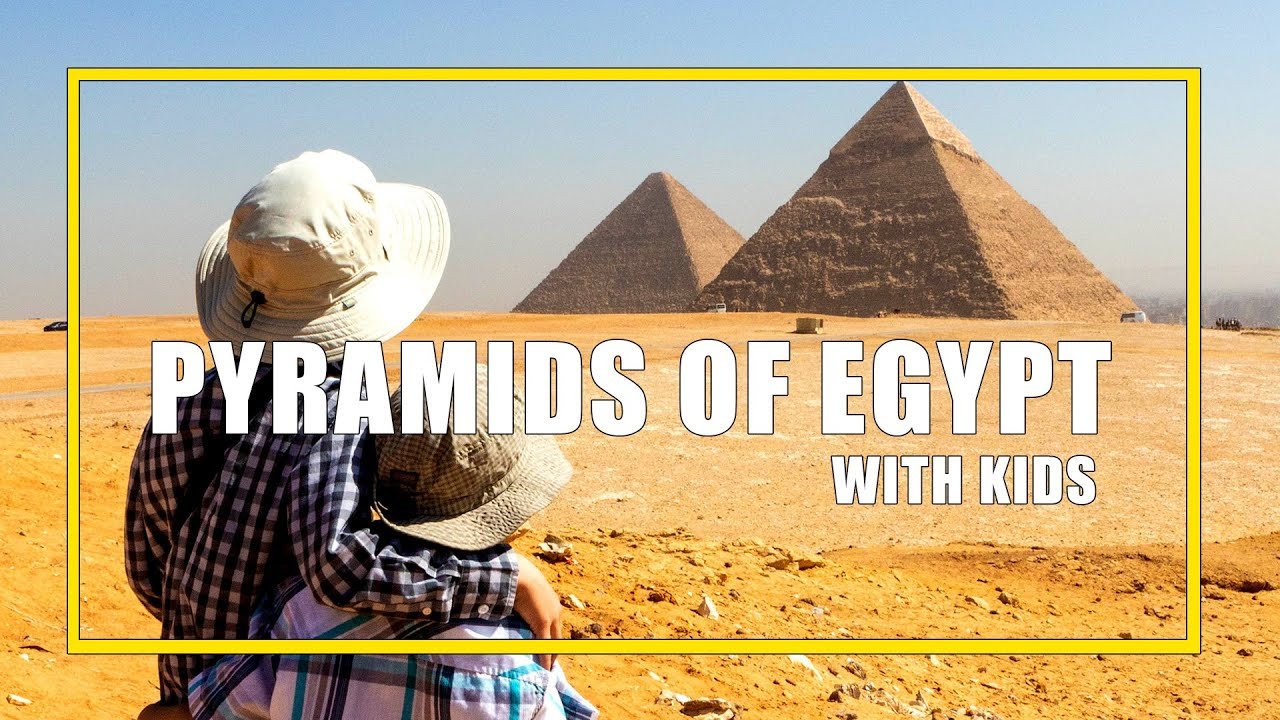
The Pyramids of Giza are usually the next stop, either later the same day or the following morning. General admission to the plateau is 700 EGP (about $14 USD) for foreign adults, 350 EGP (about $7 USD) for students, and free for children under 6. Going inside the Great Pyramid costs extra—about 1,000 to 1,500 EGP ($20–30 USD), depending on the chamber. For most families with young kids, it’s fine to skip the inside. The interior is a steep, narrow crawl with no decorations, and the real highlight is seeing the pyramid from the outside.
Here’s a tip from Momo: Go to Giza right when it opens, not in the middle of the day. You’ll avoid the heat and the crowds from tour buses, and the lighting is better for photos. I always tell families to arrive within 30 minutes of the 8 AM opening. That way, you’ll have the Sphinx area almost to yourselves for the first hour.
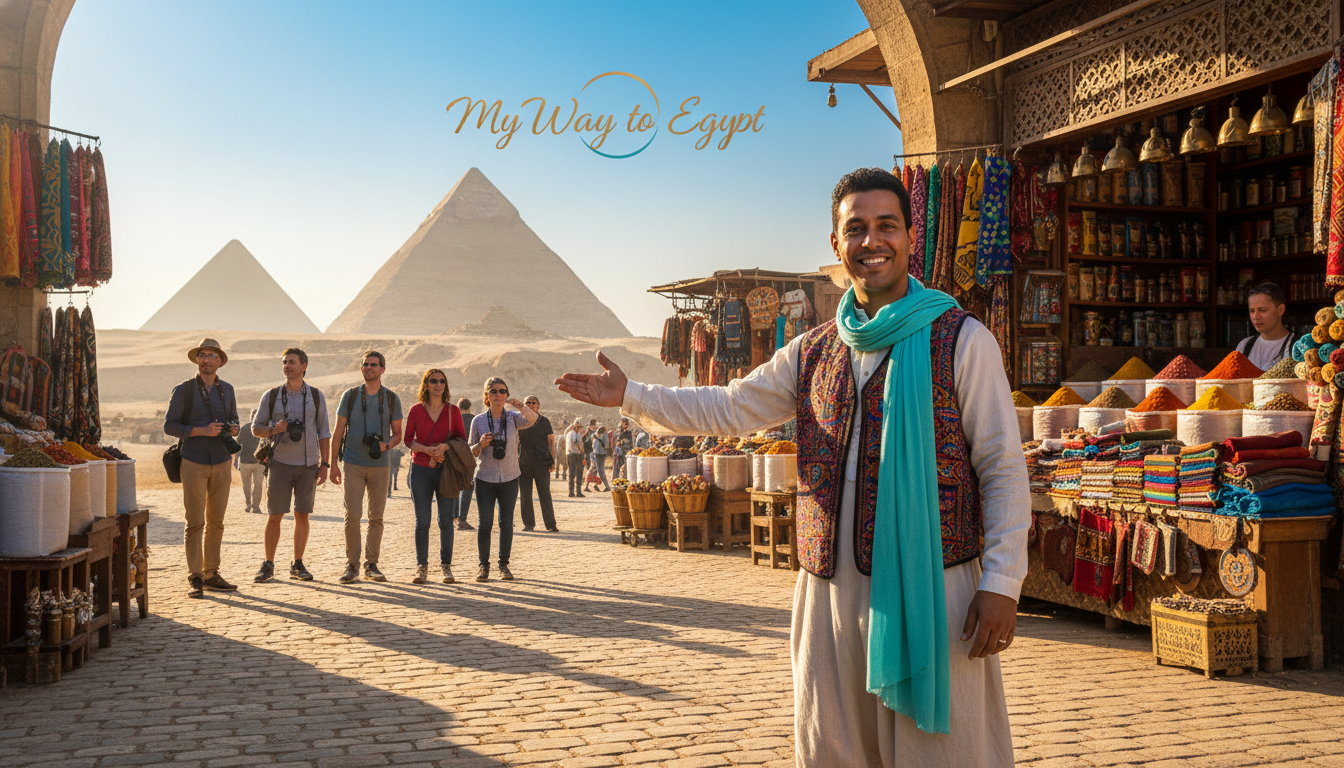
Khan El Khalili, Cairo’s centuries-old bazaar in Old Cairo, is best visited in the evening instead of during a rushed daytime stop. It’s livelier, has more atmosphere, and is easier to explore without the midday heat. Kids usually enjoy the spice stalls and the busy sights and sounds more than the jewelry shops.
Luxor, Aswan & the Red Sea with Kids
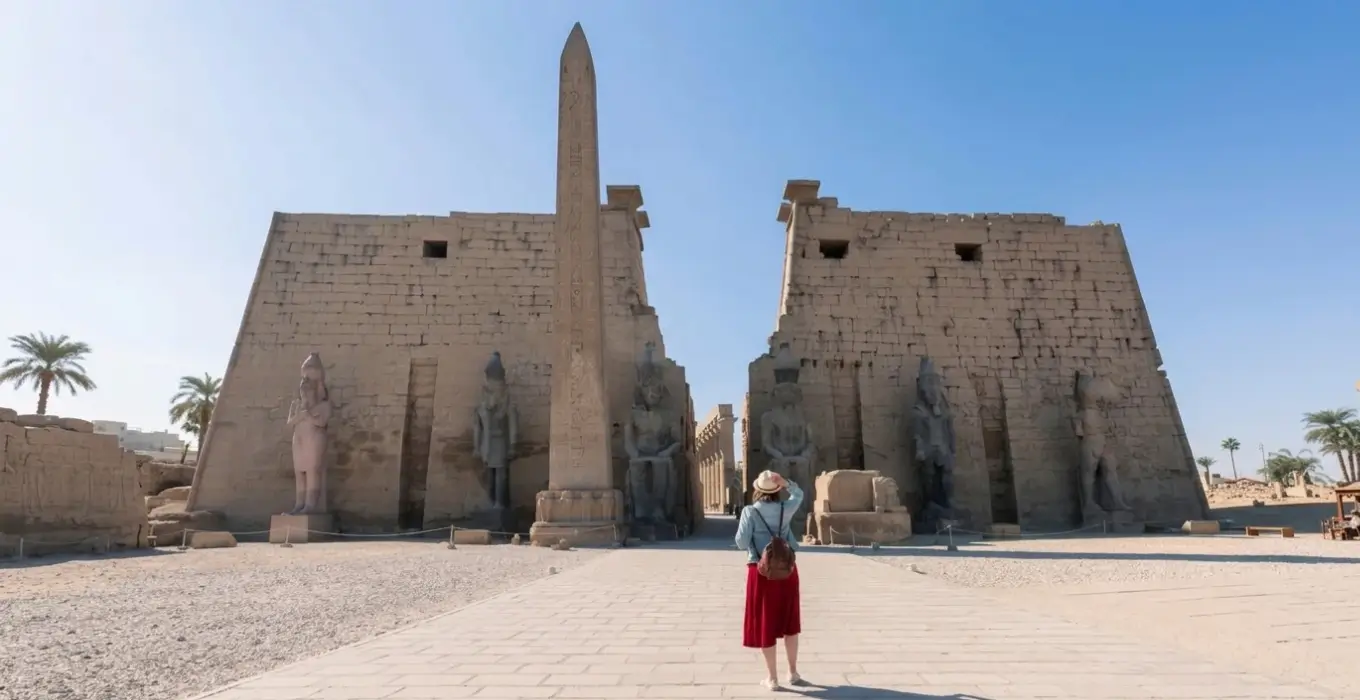
If you head further south, Luxor has two sites that usually make a big impression on kids. The Valley of the Kings costs about 750 EGP (around $15 USD) for foreign adults and includes entry to three tombs. Tutankhamun’s tomb (KV62) is a separate ticket. The quiet atmosphere there is something even energetic children notice. Karnak Temple, which is about 600 EGP (around $12 USD) for foreign adults, is memorable for its size. The huge columns are so tall that both adults and kids feel amazed.
If you travel even farther south, Aswan and the Red Sea add variety to your trip. Taking a felucca sail on the Nile in Aswan is relaxing and easy for kids. There is no walking or heat to worry about, just the water and the breeze. At the Red Sea, snorkeling lets children see coral reefs and colorful fish in shallow, calm water. It’s a nice change of pace after visiting so many ancient sites.
If you have an extra day, consider visiting Abu Simbel, Ramses II’s rock-cut temple near the Sudanese border. It costs about 800 EGP or more (around $16 USD) for foreign adults. The site is remote, and most families get there by a short flight or a long drive from Aswan. I usually only suggest it for trips longer than 10 days or for families with older kids who can handle an early start.
Things to Do in Egypt with Children
Besides the two main attractions, there are several activities that families with kids of different ages usually enjoy:
- Try riding a camel or horse near the Giza Plateau. It’s best to book with a trusted operator ahead of time instead of bargaining when you arrive (see more tips below). A short ride of 30 to 60 minutes usually costs about 300 to 800 EGP, or around $10 to $30.
- Take a felucca sail on the Nile in either Cairo or Aswan. There is no walking or heat to worry about, and it’s a relaxing break for kids who are tired of visiting temples.
- Go snorkeling in the Red Sea reefs near Hurghada or Sharm El-Sheikh. The shallow, calm water and colorful coral make it a great choice, even for beginners.
- Watch a Sound & Light Show at Karnak or the Pyramids — a nighttime, narrated show projected onto the monuments (around 300 EGP/~$6 extra) that holds kids’ attention better than a standard daytime walk-through.
- Visit a local artisan’s workshop. Pottery, perfume, or papyrus-making in Cairo or Luxor gives kids a hands-on activity after a day of just looking around.
- Try a hot air balloon ride over Luxor if your kids are old enough (usually age 6 or older) to manage an early 5 AM pickup. It may not fit every trip, but for many families, it’s a real highlight.
Entrance Fees & Costs at a Glance
| Site | Foreign Adult (EGP) | Foreign Adult (USD, approx.) | Notes |
|---|---|---|---|
| Grand Egyptian Museum (GEM) | 1,450 EGP | ~$30 | Book online only; children 6–12 half price; under 6 free |
| Egyptian Museum, Tahrir | 550 EGP | ~$11 | Smaller, good half-day option |
| Giza Plateau (general entry) | 700 EGP | ~$14 | Interior access to Great Pyramid is extra |
| Valley of the Kings | 750 EGP | ~$15 | Covers 3 tombs; Tutankhamun’s tomb extra |
| Karnak Temple | 600 EGP | ~$12 | Sound & Light Show sold separately, ~300 EGP |
| Abu Simbel | 800 EGP+ | ~$16 | Best for 10+ day trips |
| Egypt visa on arrival | — | $25 | Available for most nationalities at the airport |
The prices shown are official rates as of mid-2026, set by the Egyptian Ministry of Tourism and Antiquities. They are subject to periodic review, so please confirm the current rates before booking. Most major websites accept card payments only, so please bring a credit or debit card, not just cash.
Where to Stay: Family Hotels I Actually Recommend
After a long day of sightseeing, most kids care more about having a good pool and a quiet place to sleep than about the view from the window.
Le Méridien Pyramids Hotel & Spa is just five minutes from the Giza Plateau. It has a garden pool with a special area for kids, and rooms usually cost between $60 and $110 a night, depending on the season. The best part is the location: you can walk to Giza early in the morning instead of dealing with Cairo traffic.
Fairmont Nile City, more central, trades the pyramid views for direct river frontage and easy access to downtown Cairo — a better base if your days lean more museum-and-market than desert.
If you’re planning to travel along the Nile for several days, consider a cruise like the Sonesta St. George between Luxor and Aswan. It’s a kid-friendly way to avoid switching hotels every night, since meals, sightseeing, and sleeping are all taken care of without having to repack.
Getting Around: Taxis, Metro & Private Transport
Cairo’s Metro is the quickest way to get around during rush hour and only costs a few Egyptian pounds per ride. However, dealing with transfers when you have young kids and luggage can be more trouble than it’s worth.
For families, I usually recommend booking a private, vetted car to take you between your hotel and the sights. It costs more than grabbing a taxi on the street, but the driver will wait for you, the air conditioning works, and you won’t have to negotiate at every stop.
What Families Actually Eat
Food is what makes a country feel real, not just a collection of monuments. Koshary, a layered dish with rice, lentils, macaroni, crispy onions, and tomato-garlic sauce, is the one meal I can usually get almost any kid to try. It looks a lot like pasta, so it doesn’t seem too unfamiliar. Abou Tarek near Tahrir Square is Cairo’s most famous koshary spot and a great, low-pressure place for picky eaters to start. For breakfast, ful medames and ta’meya (Egyptian falafel made from fava beans instead of chickpeas) at a local café will give kids plenty of energy for a morning of sightseeing.
On a Nile cruise, meals are included throughout the day. The Sonesta St. George and similar boats offer both Egyptian and international dishes, so it’s easy to please everyone, whether one child wants koshary and another prefers pasta.
Staying Safe & Comfortable in Egypt’s Climate
- Drink water often. Use a reusable water bottle and fill it up at the hotel each morning, instead of relying only on water bought while out.
- Dress modestly and practically. Make sure to cover your shoulders and knees, wear light, breathable fabrics, and bring a wide-brimmed hat.
- Wear sturdy, closed-toe shoes for walking on uneven ancient paths. Sandals are not durable enough for places like Karnak or the Valley of the Kings.
- Put on high-SPF sunscreen again every two hours, even if it’s cloudy. The desert sun can still cause burns, even without direct sunlight.
- Start early. Every site on this list is more comfortable, less crowded, and better lit for photos in the first two hours after opening than at any point midday.
Hidden Corners Most Tour Groups Miss
Large group tours follow a set schedule, so they often miss the special moments that happen outside those planned times.
At Karnak, most buses show up in the late morning. If you visit near closing time, when the sunlight turns the columns golden, you’ll see a side of the site that most group tours miss. At Philae Temple on Agilkia Island near Aswan, going early in the morning before the day-boats start running lets you hear nothing but water against the ancient stone.
Even in the busy Egyptian Museum, the upper-floor galleries away from the Tutankhamun rooms are usually quieter. They are a good place to spend ten calm minutes if your kids need a break from the crowds without leaving the building.
Tips for Visiting Egypt with Kids
- Add a buffer day to your schedule. For every three or four busy sightseeing days, plan one day with nothing on the agenda except maybe a swim or a short walk to the market. Both kids and tired parents will appreciate the break.
- Pack layers, not just summer clothes. Desert evenings, especially October–February, can drop 15–20°C (25–35°F) below the daytime high. A light jacket or sweatshirt matters more than most first-time visitors expect.
- Pack some familiar snacks for the first two days. Jet lag and new foods on the first day often lead to meltdowns. Let kids try local dishes once they have settled in.
- Choose a licensed guide, not just a driver. A Ministry of Tourism-licensed Egyptologist guide can explain a site at a child’s level and adjust pacing on the spot — a driver-only arrangement can’t do either.
- Keep a printed copy of your passports and visa confirmation in a different place from the originals. Take photos of them on your phone as a backup.
- Download an offline translation app before you arrive. English is common at hotels and major sites, but not everyone speaks it in markets or with taxi drivers away from tourist areas.
What to Avoid / Most Overrated Family Activities
It’s just as important to be honest about what isn’t worth your time as what is:
Camel rides offered at the Giza gates are often sold aggressively. The ones arranged informally on-site are usually overpriced and rushed. If your kids want a camel ride, book it ahead of time with a trusted operator so you know the price and how long the ride will last before you get on.
Visiting Giza at midday is not a good idea. The photos, heat, and crowds are all worse at that time. There is no benefit to seeing the Pyramids at noon.
Trying to fit Cairo, Luxor, and Aswan into less than a week is possible, but it leaves no room for a bad night’s sleep, an off day, or a child who would rather swim than visit another temple. Make sure to include at least one buffer day.
Frequently Asked Questions
How do you craft a balanced itinerary that keeps both young adventurers and history-loving adults engaged?
I plan each day with a sense of rhythm instead of just ticking off a checklist. For example, I might pair a quiet, impressive place like the Valley of the Kings with something active and fun, such as an afternoon by the Red Sea or a sunset felucca sail. Mixing moments of awe with playful activities helps keep both a curious 9-year-old and a parent who loves history interested all day.
What are your top recommendations for family-friendly accommodation in Egypt?
Pick a hotel with a real pool, not just a small one in a courtyard. Le Méridien Pyramids and other hotels near Giza have pool areas just for kids. If you’ll be on the Nile for a few days, a cruise like the Sonesta St. George gives children more space to move around than a regular hotel room.
Is travel within Egypt comfortable and safe for families?
After 25 years guiding families, I’ve found that private air-conditioned rides between sites and a Nile cruise from Luxor to Aswan are always the easiest and most reliable parts of the trip. I arrange everything with trusted drivers and boats, so families don’t have to worry about transport during their visit.
Will my children enjoy Egyptian cuisine on this trip?
Most kids enjoy the food, especially when they start with koshary, which is a lot like pasta. Ful medames and ta’meya at breakfast are mild and filling, so they’re a good way to try local flavors without making anyone uncomfortable.
How should we prepare for Egypt’s climate to keep everyone comfortable?
Wearing light, breathable clothes, a wide-brimmed hat, and staying hydrated are essential. I plan sightseeing for the first two hours after a site opens and save midday for lunch or pool time. This simple change does more to keep families comfortable than any packing list.
Do children get discounted entrance fees at Egypt’s major sites?
Yes. Children under 6 enter free at nearly every major site, including the Pyramids, GEM, and Luxor temples. Children aged 6–12 and students with valid ID typically pay the reduced student rate, roughly half the adult foreign-visitor price.
Final Note from Momo
After twenty-five years, the trips I remember most are not the ones that visited every site, but the ones where a child paused and truly noticed something. That is the real goal: making sure there is enough time in the day for moments of wonder.
If you want a private, custom-paced itinerary designed just for your family instead of a fixed group schedule, contact me on WhatsApp or through mywaytoegypt.com. I personally read every message.