
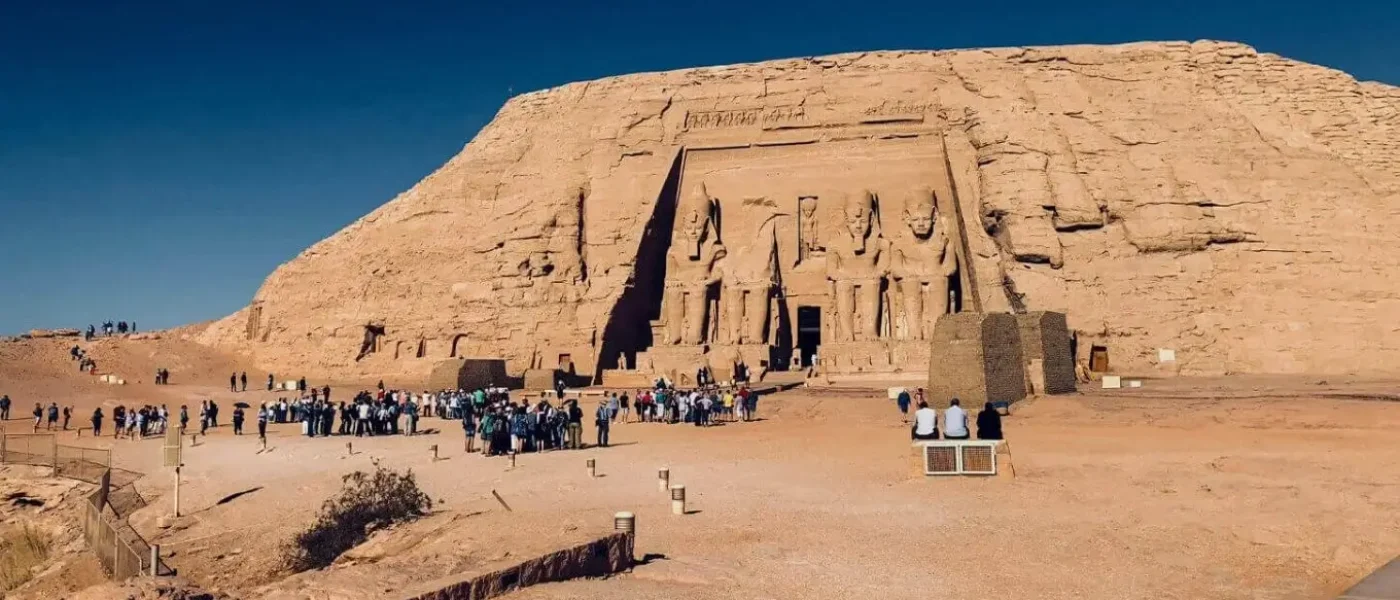
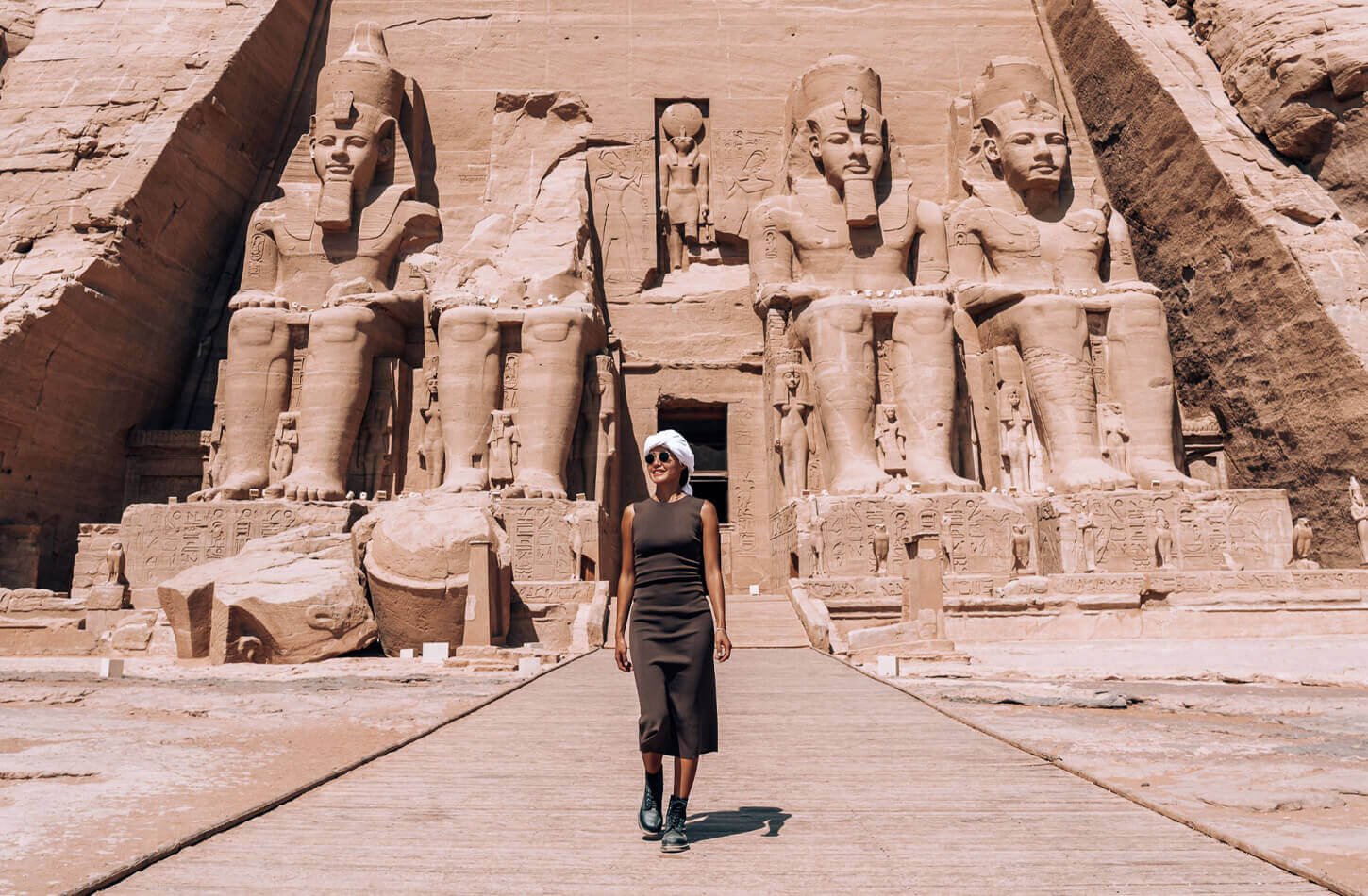
I’ll never forget the morning silence, broken only by the soft crunch of sand under our feet. As the sun crested the horizon, its light spilled across the desert, illuminating the four majestic figures carved into the mountain. A guest turned to me, her voice full of awe, and simply said, “Momo, it’s even more than I dreamed.”
That moment, where ancient history meets personal wonder, is why I’ve spent over twenty years as a licensed Egyptian Ministry of Tourism guide. I want every traveler to feel that connection.
The temples here are a UNESCO World Heritage Site, a title earned in 1979. They stand guard nearly 300 kilometers southwest of Aswan, a testament to human achievement. Visiting them is a profound journey.
I have led countless groups to this sacred ground. The sheer scale of the monuments, which were miraculously saved from the rising waters of Lake Nasser, leaves a lasting impression on everyone. My goal is to make your visit seamless, blending historical context with the practical advice you need.
Key Takeaways
- The temples at Abu Simbel are a UNESCO World Heritage Site located about 283 km from Aswan.
- A day trip to this site is considered one of the most rewarding experiences in southern Egypt.
- The journey itself through the desert landscape is a significant part of the adventure.
- Proper planning with historical context enhances appreciation of the colossal structures.
- The site’s rescue from Lake Nasser’s waters adds a layer of modern wonder to its ancient glory.
- Local expertise can transform a simple visit into a deeply meaningful experience.
- This guide provides practical advice to ensure a smooth and memorable trip.
Introduction: Discovering the Magic of Abu Simbel
The first rays of dawn danced across the colossal stone faces, casting long shadows that whispered secrets of pharaohs. I felt the desert’s ancient breath on my skin. It was a moment frozen in time.
My Personal Journey
My path began twenty years ago. I stood before the Great Temple, commissioned by Ramesses II around 1264 BC. The weight of three millennia hung in the air.
I often share stories with guests. Johann Ludwig Burckhardt rediscovered these temples in 1813. They had been buried by shifting sands for centuries.
Why You’ll Love This Experience
Walking through these halls is a life-changing moment. You tread where pharaohs once stood. Intricate carvings surround you, surviving the passage of time.
The atmosphere offers quiet reflection. It contrasts with Cairo’s bustle. Understanding the builders’ dedication enriches the visit.
Light plays on stone facades. It creates a visual spectacle unique to this place. This experience connects you deeply to history.
| Aspect | Description | Impact |
|---|---|---|
| Historical Depth | Dating to 1264 BC | Profound connection |
| Rediscovery | Found in 1813 | Added mystery |
| Atmosphere | Serene desert setting | Personal reflection |
| Architectural | Intricate carvings | Visual wonder |
Planning Your Abu Simbel Day Trip from Aswan
The desert highway stretched before us like a ribbon of black asphalt cutting through endless golden sands. I’ve guided countless travelers along this sacred route, each journey unique yet equally magical.
Travel Logistics and Route Options
Early morning departures are essential for beating the heat. The drive takes approximately 3.5 hours through stunning desert landscapes.
Convoy travel is mandatory for safety. Military checkpoints dot the route, so keep your passport accessible.
Timing, Costs, and Entrance Fees
Timing your visit perfectly ensures optimal lighting conditions. Morning hours reveal the temples’ grandeur in soft golden light.
Current entrance fees stand at 300 EGP (approximately $10 USD) for international visitors. Always confirm prices beforehand as they may change.
| Consideration | Details | Recommendation |
|---|---|---|
| Opening Hours | 6:00 AM – 5:00 PM | Arrive early for the best experience |
| Dress Code | Light, breathable clothing | Cover shoulders and knees |
| Transport | Air-conditioned vehicles | Book through your hotel |
| Guide Services | Available on site | Worth the additional cost |
For those continuing their Egyptian adventure, consider extending your journey to coastal treasures along the Red Sea.
Understanding the Rich History and Relocation Marvel
Each time I approach these monuments, I’m humbled by the intersection of ancient vision and modern ingenuity. The history here spans millennia yet feels immediate.
The Temples’ Ancient Past
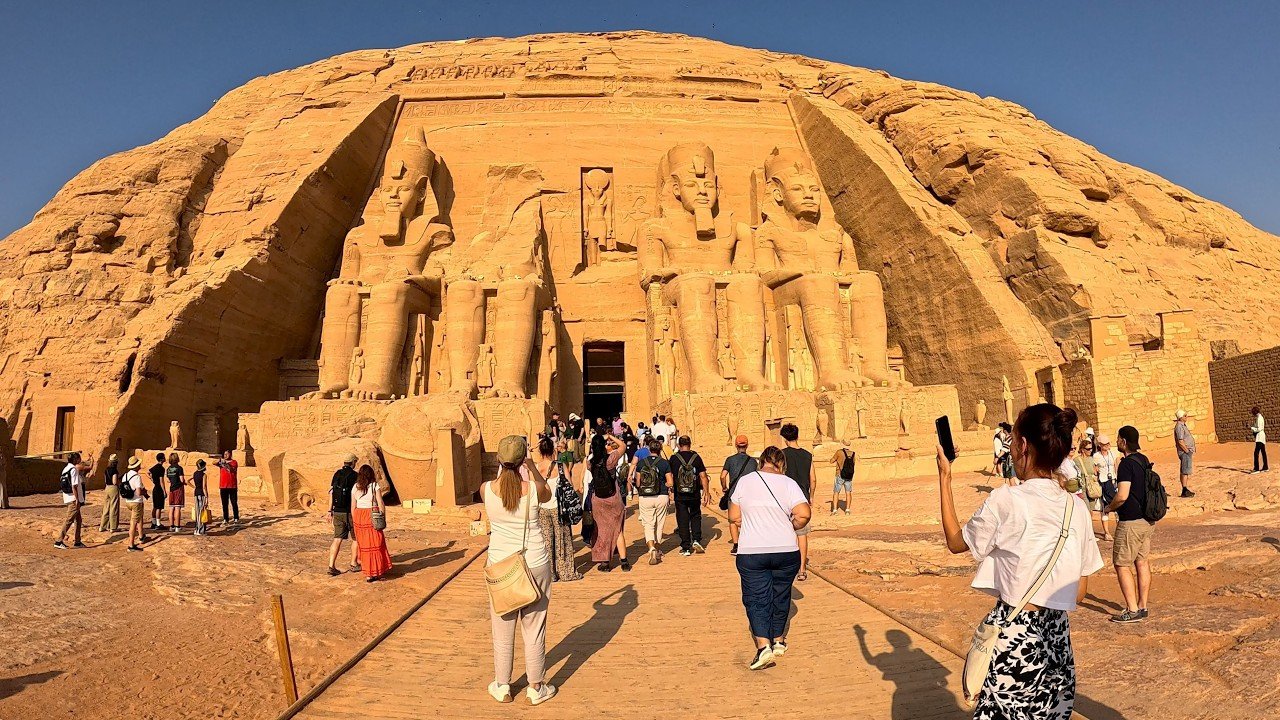
Carved directly into the rock face around 1264 BC, these temples honored Ramesses II and Queen Nefertari. The builders’ skill still takes my breath away.
Inside, detailed reliefs depict military campaigns. They showcase religious devotion from the ancient past.
The Modern Engineering Feat
Between 1964 and 1968, UNESCO led an incredible relocation project. The temples faced flooding from Lake Nasser’s rising waters.
Engineers cut them into over 1,000 blocks. They moved them 65 meters higher and 200 meters back.
They ensured the sun still illuminated the inner sanctuary on the same sacred days. This modern marvel preserved the ancient history perfectly.
| Relocation Aspect | Original Position | New Position |
|---|---|---|
| Elevation | At the river level | 65 meters higher |
| Distance | Waterside location | 200 meters back |
| Timeline | 1964 | 1968 |
| Blocks Used | Solid mountain | Over 1,000 pieces |
Best Time to Visit and What to Expect
The desert air holds its breath just before dawn, creating a sacred silence around the ancient stones. This tranquil moment offers the perfect beginning to your exploration.
I always advise departing by 4:00 AM to experience the temples at sunrise. The soft golden light reveals intricate details on the colossal statues, making photography extraordinary.
Early arrival means you’ll explore interior halls before crowds arrive. You’ll have space to admire hieroglyphs without feeling rushed. The cool morning air makes walking comfortable. By 10:00 AM, the initial crowds often thin out. This creates a peaceful atmosphere for wandering through the temple grounds.
Timing your visit carefully ensures optimal lighting and comfort. Morning illumination provides the best visibility for appreciating this UNESCO treasure in all its glory.
Essential Practical Information for Travelers
The sun’s embrace on the sandstone feels like a warm welcome from history itself. I have learned that a little preparation makes this welcome even warmer.
Opening Hours and Dress Code
This sacred place welcomes visitors from 6:00 AM to 5:00 PM. Arriving early lets you beat the heat and the crowds.
Dress with respect for the site. Choose modest, breathable clothing that covers your shoulders and knees. A wide-brimmed hat is your best friend under the intense desert sun.
Safety and Comfort Tips
Your comfort is key to enjoying your visit. Wear sturdy walking shoes for the long path from the entrance.
Carry plenty of water. The prices of on-site drinks can be high.
Stay with your group and follow your guide’s instructions. These simple things ensure a safe and memorable experience.
| Essential Item | Purpose | Why It Matters |
|---|---|---|
| Water Bottle | Hydration | Prevents heat exhaustion |
| Wide-Brimmed Hat | Sun Protection | Shields from intense rays |
| Sturdy Shoes | Foot Support | Comfort for long walks |
| Light Scarf | Modesty & Sun Cover | Respectful and practical |
Transportation Options: Road, Air, and Beyond
The desert wind sings an ancient song as it whips past our moving vehicle, carrying tales of pharaohs and forgotten eras. Choosing your way to reach these sacred grounds shapes your entire experience.
Choosing Your Preferred Mode
I often guide travelers toward private drivers for maximum comfort. This way offers flexibility that crowded buses cannot match. You’ll appreciate air conditioning during the 3-4 hour drive through stunning desert landscapes.
For those short on time, flights from Aswan take merely 45 minutes. You’ll witness breathtaking aerial views before landing near the temples. This trip becomes an adventure both above and below.
Small group tours create wonderful camaraderie among travelers. They provide cost-effective access to expert guidance. Whatever transport you choose, book early during peak seasons. The journey itself becomes part of your memories. Each way reveals different aspects of Egypt’s majestic geography.
Exploring the Temple Complexes
Carved giants emerged from the mountain’s heart, their stone eyes gazing across millennia with unwavering majesty. These sacred temples stand as eternal monuments to divine worship and royal power.
The Great Temple of Ramesses II
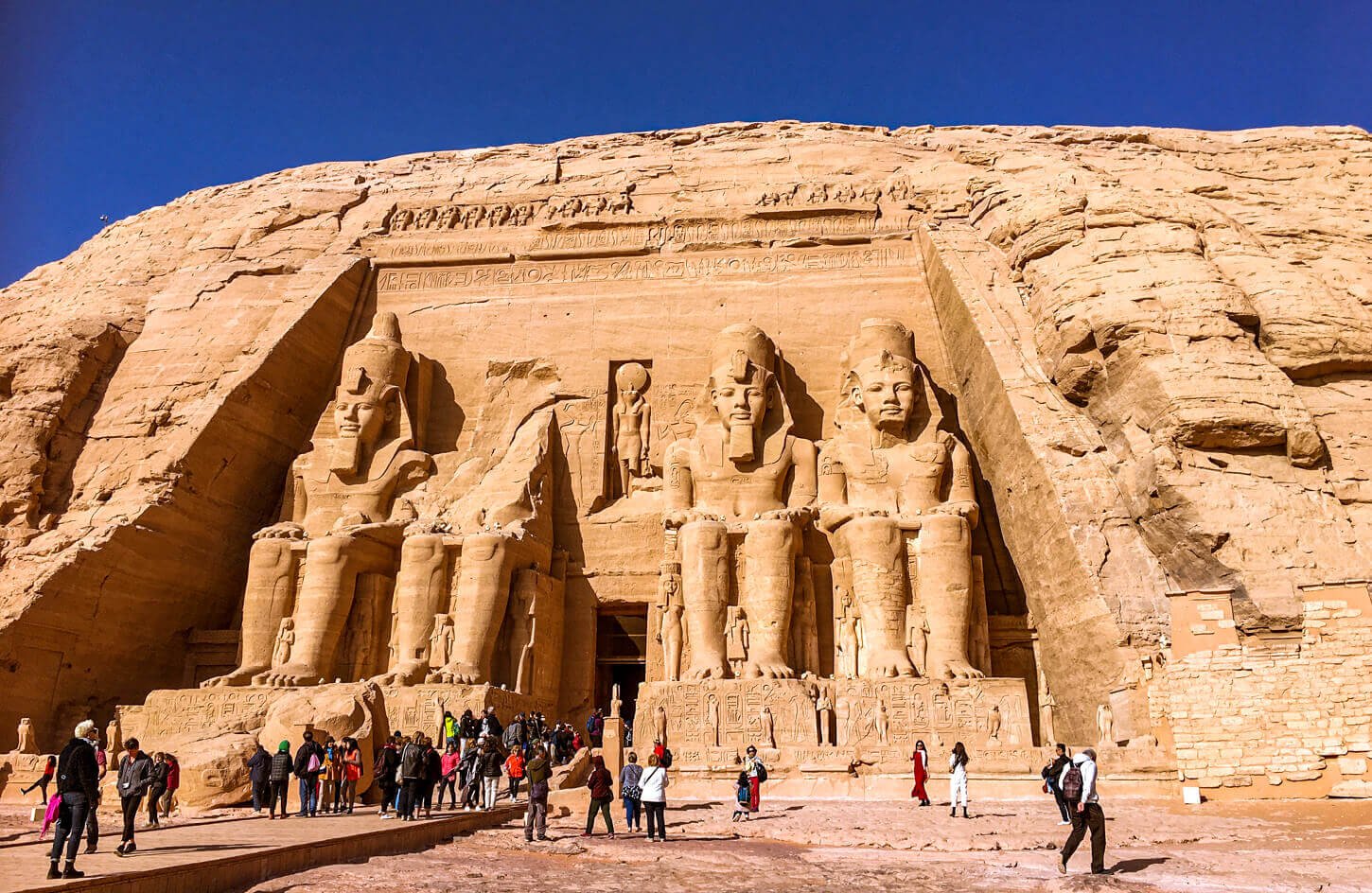
Four colossal statues guard the entrance, each towering twenty meters high. They were carved directly from the mountain’s rock face around 1264 BC.
Inside, intricate reliefs adorn the walls. They depict military triumphs and religious devotion. The art here represents some of Egypt’s finest craftsmanship.
Temple of Hathor and Nefertari
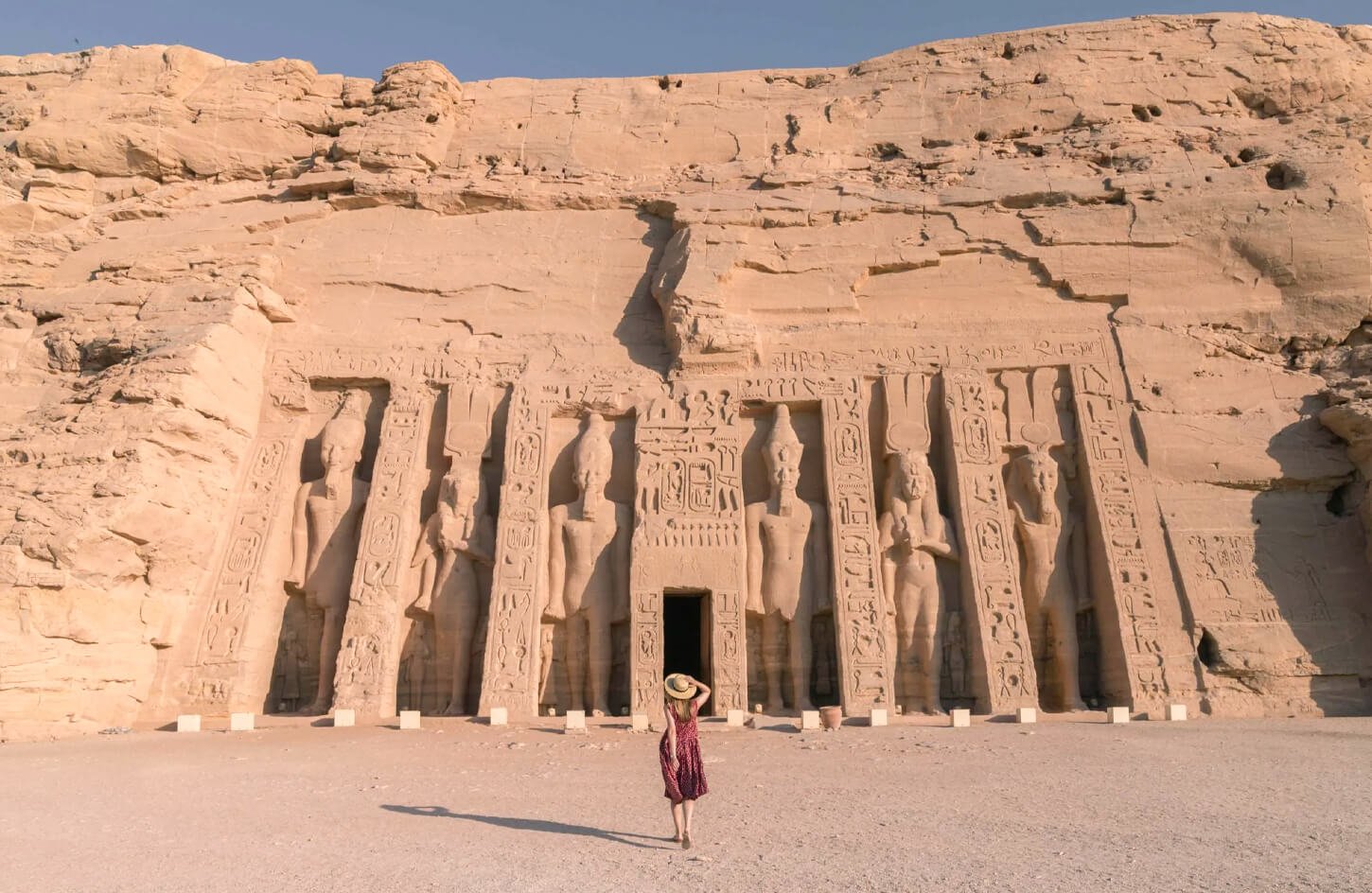
This smaller sanctuary honors both the goddess Hathor and Queen Nefertari. What makes it extraordinary are the statues – the queen’s figures equal the king’s in scale.
Such prominence for a queen was rare in ancient Egyptian art. The walls show beautiful scenes of Nefertari alongside her royal husband.
| Temple | Dedication | Notable Features | Unique Aspect |
|---|---|---|---|
| Great Temple | Ramesses II | Four 20m statues | Sanctuary aligned with the sun |
| Small Temple | Hathor & Nefertari | Equal-sized royal statues | Rare queen prominence |
These magnificent temples represent just two of Egypt’s incredible historical treasures waiting to be explored.
Local Insights and Personal Tips from Momo
A quiet reverence fills the air when the sun kisses these monumental guardians at just the right angle. After twenty years as your trusted guide, I’ve learned when Abu Simbel reveals its most magical secrets.
Best Hours to Explore the Site
7:00 AM offers perfect morning light for viewing the facade. The heat stays gentle during these early hours.
Crowds remain thin, allowing peaceful contemplation. This timing creates ideal conditions for photography and reflection.
| Time | Light Quality | Crowd Level | Experience |
|---|---|---|---|
| 7:00 AM | Soft golden glow | Minimal | Peaceful exploration |
| 10:00 AM | Bright overhead | Moderate | Good visibility |
| 1:00 PM | Harsh contrast | Peak | Challenging conditions |
| 4:00 PM | Warm evening | Light | Beautiful shadows |
A Hidden Gem Restaurant Recommendation
After exploring Abu Simbel, I love visiting a small cafe near the lake. Their traditional tea offers perfect refreshment.
For authentic Nubian cuisine, ask your driver about local spots. These hidden places serve the most memorable meals.
Learning simple Arabic phrases like “shukran” connects you with locals. These small things enrich your experience tremendously.
Always bring a notebook for your thoughts. Standing before these giants deserves personal reflection.
Additional Sights and Memorable Experiences Nearby
The quiet hum of history continues beyond the main temples. I always guide my guests toward the visitor center. This modern facility holds powerful insights into the ancient site’s modern salvation.
Visitor Center Insights
The visitor center showcases stunning black-and-white photos. They document the incredible UNESCO relocation project. You’ll see workers carefully cutting stone blocks.
You learn the stories behind Lake Nasser’s creation. This massive reservoir forced the temple’s move. It is one of the world’s largest human-made lakes.
I often walk guests behind the mountain. We see the artificial hill built to house the temples. It’s humbling to stand where water once covered everything.
The center provides essential context. It shows why this site is more than ancient stones. Modern engineering saved these treasures for us all.
I recommend spending thirty minutes here. It deepens your appreciation for both ancient and modern wonders. The view of the lake behind the statues is breathtaking.
| Experience | Location | Time Recommended | Key Takeaway |
|---|---|---|---|
| Relocation Exhibit | Visitor Center | 15 minutes | Modern engineering achievement |
| Lake Nasser View | Temple Rear | 10 minutes | Scale of reservoir creation |
| Historical Photos | Main Hall | 10 minutes | Visual history of the move |
| Contextual Explanation | Information Panels | 15 minutes | Full story understanding |
This blend of ancient and modern history makes the site profoundly moving. For more travel insights, explore our guide on how to plan a trip.
FAQ
What is the best way to get to the temples from Aswan?
I find the early-morning convoy by road a journey woven with anticipation. Watching the dawn break over the desert as you travel towards Lake Nasser is part of the magic. Alternatively, a short flight offers breathtaking aerial views of the vast landscape below.
How much time should I budget for exploring the site?
To truly listen to the whispers of the pharaohs in the rock, I recommend allowing at least 3 hours. This allows you to stand in awe before the colossal statues, wander through the intricately carved halls, and absorb the profound history of this sacred place without feeling rushed.
Why is the morning the recommended time for a visit?
Arriving in the morning light is my personal ritual. The sun gently illuminates the facade, bringing the stone giants to life with warmth and shadow. The air is cooler, the crowds are lighter, and you can experience a moment of serene connection before the day fully awakens.
Can you tell me about the incredible relocation project?
It is a story that humbles me—a modern feat rivaling the ancients’. To save the monuments from the rising waters of Lake Nasser, the entire complex was meticulously cut and moved piece by piece to higher ground. It stands today as a testament to human dedication to preserving history.
What should I wear for my visit?
Dress for both respect and comfort. I choose light, breathable clothing that covers my shoulders and knees, paired with the most supportive walking shoes I own. The sun is a constant companion, so a hat and sunscreen are essential parts of my pilgrimage.
Is a guide necessary, or can I explore on my own?
While you can certainly admire the grandeur on its own, a knowledgeable guide unlocks the stories etched into the walls. They illuminate the tales of Ramesses II and Queen Nefertari, transforming silent art into a vivid narrative that has stayed with me long after I left.
Are there other notable sights near the main temples?
Yes, do not miss the Visitor Center. It houses models and photographs that detail the monumental relocation, adding a deep layer of appreciation for what you are about to see. It’s a quiet prologue to the epic story written in stone.
Conclusion
May the image of those colossal guardians stay with you, a silent promise of wonders waiting to be discovered.
Visiting these temples is a life-changing experience. It brings ancient history to life in a way few places can.
From the towering statues to the detailed walls, every stone tells stories of pharaohs and their world.
Your time and cost are investments in memories that last. I hope this guide helps plan your visit.
The best way to see this site is with a knowledgeable guide. They share hidden experiences most miss.
I invite you to book a tour with me. Let’s explore these wonders together.
Thank you for joining this journey. I look forward to welcoming you to Egypt’s sun-drenched landscapes soon.