
What’s the best 14-day Egypt itinerary?
Split it into 4 days Cairo, 5 days Aswan/Abu Simbel/Nile cruise, 2 days Luxor & 3 days Red Sea — covers everything without rushing.
Days 1–4 Cairo — Pyramids, Egyptian Museum, Islamic/Coptic Cairo
Days 5–9 Aswan+cruise — Abu Simbel, Philae, 3–4 night Nile cruise to Luxor
Days 9–10 Luxor — Karnak at sunrise, Valley of the Kings, Luxor Temple at dusk
Days 11–14 Red Sea — Hurghada/Sharm rest days + desert safari before departure
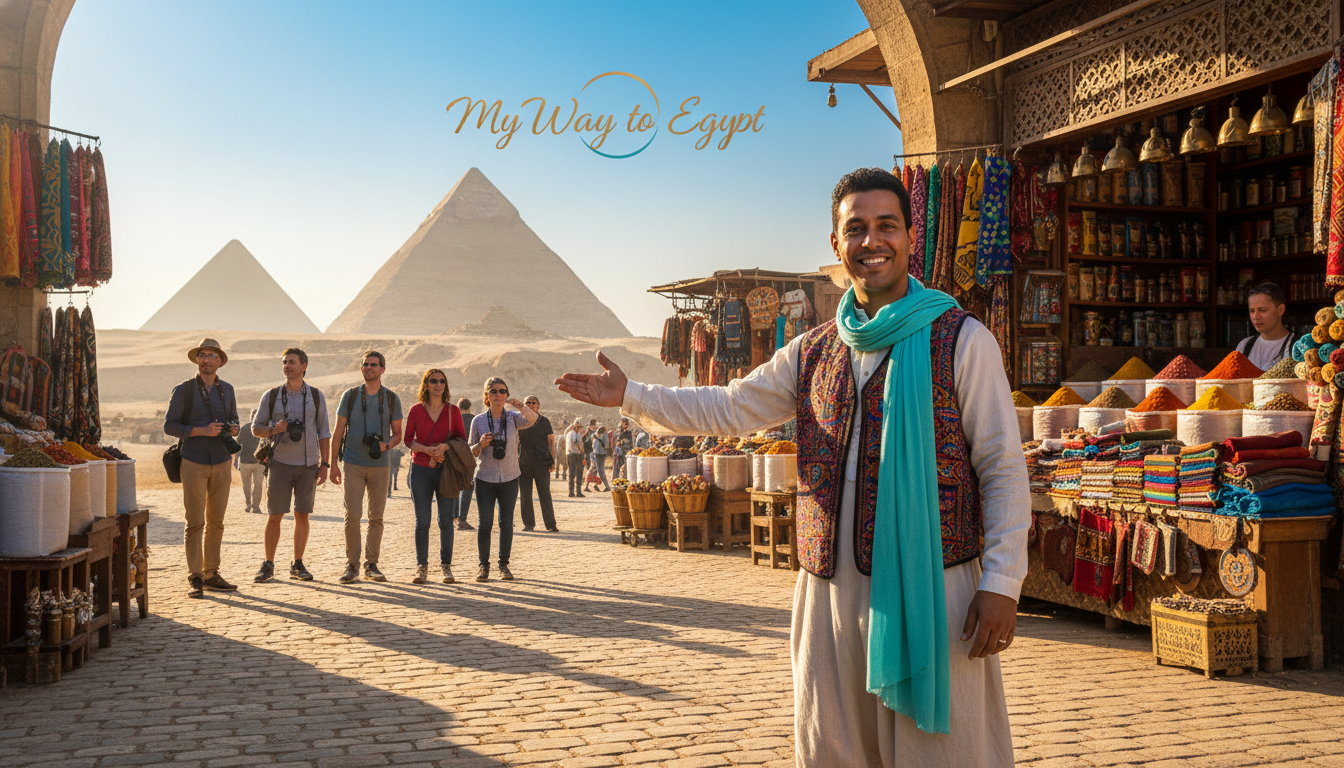
I am Momo, a licensed Egyptian tour guide with over twenty years of experience. This is the exact 14-day Egypt itinerary I build for travelers who want to see everything that matters — the pyramids, a Nile cruise, Abu Simbel, Luxor’s temples — without rushing through any of it. No filler days, no guesswork. Just the plan, day by day.
If you’re planning an Egypt itinerary 14 days long, you’ve chosen the right amount of time. Two weeks is the sweet spot: enough to cover Cairo, a full Nile cruise between Aswan and Luxor, Abu Simbel, and a few days unwinding on the Red Sea — without the exhausting pace that shorter trips force on you.
I’ve guided guests through this exact rhythm for two decades. The version below is the one I recommend most often, and it’s built around a simple idea: see the famous sites early in the morning, before the heat and the crowds arrive, and leave space in the afternoons to actually absorb what you’ve just seen.
Key Takeaways
- 14 days in Egypt is enough to cover Cairo, a Nile cruise, Luxor, Aswan, Abu Simbel, and Red Sea relaxation — without rushing.
- This itinerary is built by a licensed guide with 20+ years of on-the-ground experience in Cairo, Luxor, and Aswan.
- Mornings are for temples and monuments (cooler, quieter); afternoons are for rest, markets, or free time.
- A 3–4 night Nile cruise between Aswan and Luxor is the most efficient way to see Edfu, Kom Ombo, and the Valley of the Kings.
- Budget roughly $1,450–$2,600 per person for a private, guided 14-day trip, depending on cruise class and Red Sea destination.
- This plan can be tailor-made — every traveler I work with adjusts at least two or three days to match their pace.
Is 14 Days Enough to See Egypt?
Yes — fourteen days is the length where every major region fits comfortably: Cairo and Giza in the north, the Nile Valley running through Luxor and Aswan in the south, Abu Simbel near the Sudanese border, and the Red Sea coast for the last few days. Shorter trips (5–7 days) force you to choose between Cairo and the Nile; two weeks means you don’t have to choose.
I always tell guests the same thing: three weeks would let you go slower still, but two weeks is where you stop feeling like a tourist on a checklist and start feeling like you actually traveled.
Egypt Itinerary 14 Days: Day-by-Day Plan
Here is the complete day-by-day breakdown. I’ve structured it so the most physically demanding mornings (Giza, Abu Simbel, Karnak) come with cooler temperatures and lighter crowds, and so travel days never stack back-to-back.
| Day | Location | Highlights | Overnight |
|---|---|---|---|
| 1 | Cairo | Arrival, Egyptian Museum, Khan El Khalili Bazaar | Cairo |
| 2 | Giza | Pyramids of Giza, Great Sphinx, camel ride at sunset | Cairo |
| 3 | Memphis & Saqqara | Step Pyramid of Djoser, Memphis open-air museum, local village visit | Cairo |
| 4 | Islamic & Coptic Cairo | Cairo Citadel, Hanging Church, Ben Ezra Synagogue | Cairo |
| 5 | Cairo → Aswan | Morning flight, Philae Temple, felucca sail at sunset | Aswan |
| 6 | Aswan | Unfinished Obelisk, Aswan High Dam, Nubian village visit | Aswan / board Nile cruise |
| 7 | Abu Simbel day trip | Sunrise drive to the Great and Small Temples of Ramesses II | Nile cruise, Aswan |
| 8 | Nile Cruise – Kom Ombo & Edfu | Kom Ombo dual temple, sail to Edfu, horse-carriage ride to Edfu Temple | Nile cruise |
| 9 | Nile Cruise → Luxor | Sail to Luxor, Valley of the Kings, Hatshepsut Temple, Colossi of Memnon | Luxor |
| 10 | Luxor East Bank | Karnak Temple at opening time, Luxor Temple at dusk | Luxor |
| 11 | Luxor → Cairo or Red Sea | Morning flight; free afternoon to rest or transfer toward Hurghada | Cairo or Hurghada |
| 12 | Red Sea (Hurghada or Sharm El Sheikh) | Beach day, optional snorkeling or diving trip | Hurghada / Sharm El Sheikh |
| 13 | Red Sea free day | Desert safari with Bedouin dinner, or a second day in the water | Hurghada / Sharm El Sheikh |
| 14 | Return to Cairo & departure | Morning transfer, free time for last-minute shopping, airport transfer | Departure |
Want the flexible version of this? See our 7-day Egypt itinerary if you’re short on time, or keep reading — every stop above is covered in detail below.
Embracing the Spirit of Slow Travel in Egypt
There’s a gentle rhythm to truly experiencing this land that unfolds when you let go of rigid schedules. You’ll notice how the Nile’s waters seem to slow time itself as the sunset colors dance across its surface.
My Personal Journey and Local Insights
After twenty years of showing visitors our treasures, I’ve learned something simple: rushing between monuments leaves people tired instead of touched by history. I always suggest spending a full morning in one meaningful place rather than three sites in frantic motion. This approach reveals layers of culture that hurried trips miss completely.
Traveler-First Reflections
The most beautiful moments happen away from the crowds, in the quiet corners where ancient whispers linger in the air. When you travel with a local perspective, you’ll discover stories no guidebook contains.
Understanding the Charm of Egypt’s Timeless Sites
Stepping into the shadow of a colossal temple, you feel the weight of millennia pressing gently on your shoulders. These aren’t just monuments — they’re portals. To walk among them is to have a conversation with history itself.
Practical Tips: Entrance Fees, Hours, and Dress Codes
Arrive early. Most sites open at 8:00 am — this is the best time to beat both the desert heat and the crowds.
Carry local currency (EGP) for entrance fees; some locations now accept USD.
Dress modestly out of respect — clothing that covers your shoulders and knees is best, especially inside temples and mosques.
Keep a bottle of water with you at all times. The sun is intense, even in the cooler months.
Days 1–4: Navigating Cairo Beyond the Urban Buzz
The first time I returned to Cairo after years away, the hum of the city wrapped around me like an old, familiar song. It was loud, chaotic, and utterly alive — that’s the true spirit of this place: not just its ancient stones, but its beating heart.
Local Transport and Best Hours to Visit
Moving through the city is its own adventure. I always suggest a private driver or a rideshare app for your first few days — Cairo traffic is legendary, and a local driver knows which routes to avoid.
| Transport Type | Best Time | Key Advantage |
|---|---|---|
| Private Driver | Any time | Door-to-door comfort |
| Rideshare app | Mid-day | Affordable & reliable |
| Metro | Afternoon | Fast, avoids traffic |
Unveiling the Pyramids and Giza Plateau
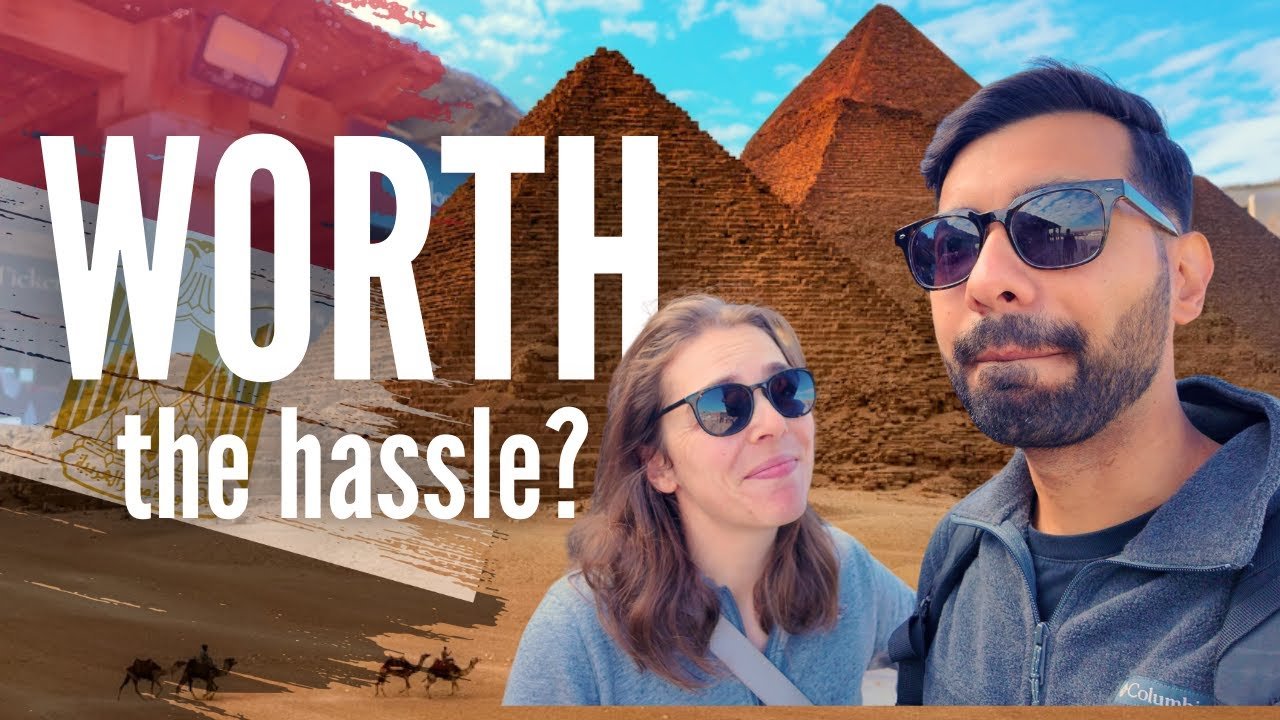
Standing before the ancient pyramids at Giza feels like touching eternity. Arrive at 8:00 am sharp — this gives you enough time to explore before the desert heat intensifies. Note that the plateau and the interior chambers have separate entrance fees, and the sandy terrain demands comfortable walking shoes
Unlike the Valley of the Kings sites in Luxor, Giza’s sheer scale requires a bit more preparation. I know a secret spot for panoramic views of all three main pyramids — perfect for photography away from the crowds
Islamic and Coptic Cairo
Day 4 is for the side of Cairo most visitors rush past: the Citadel of Salah El-Din, the Hanging Church, and Ben Ezra Synagogue in Old Cairo. My best tip — visit the mosques and markets before 10:00 am. You’ll have them almost to yourself.
Days 5–9: Aswan, Abu Simbel, and the Nile Cruise
This is the heart of a 14-day Egypt itinerary, and the section I’m most often asked about. A morning flight takes you from Cairo to Aswan, and from here, the pace of the trip changes completely — the Nile sets the rhythm.
The Splendor of Aswan
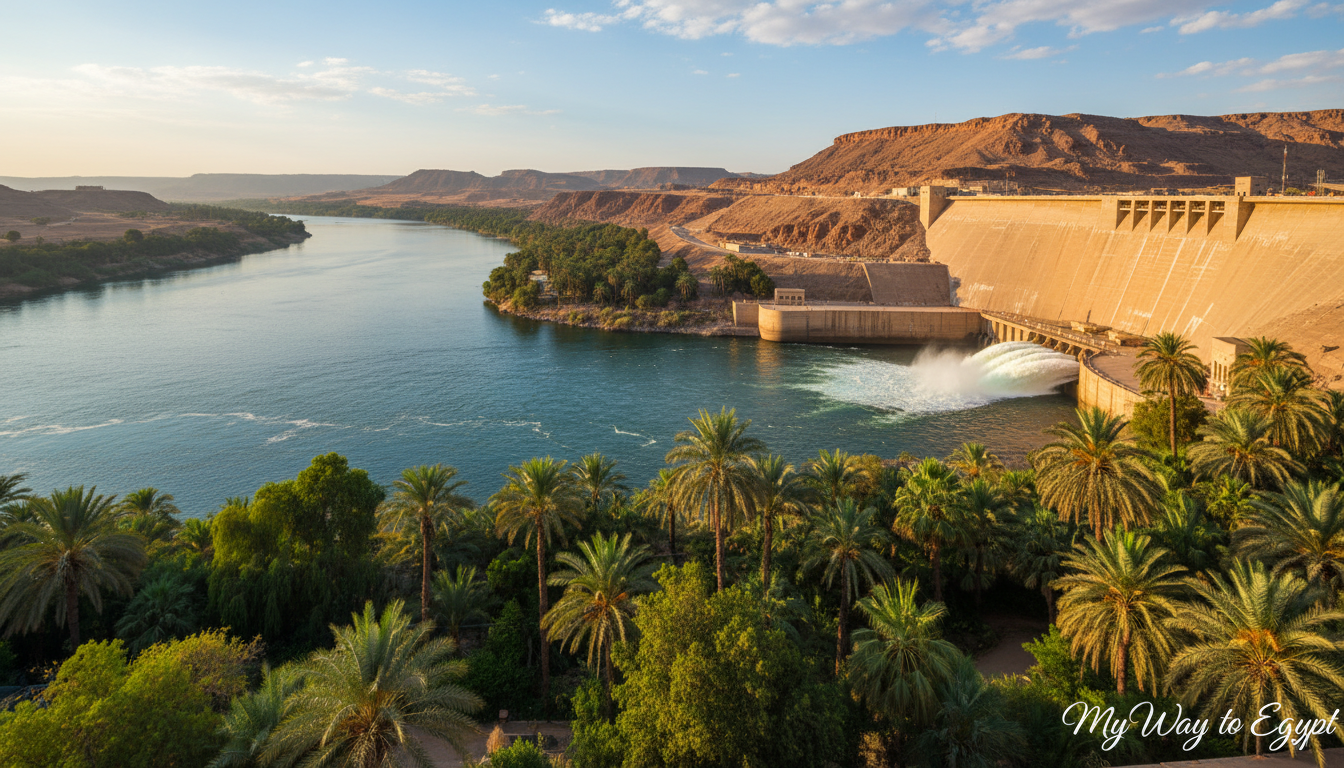
The Nile’s gentle embrace of Aswan creates a sanctuary where time seems to slow its relentless march. I always encourage guests to dedicate at least one half-day simply to being present here — a felucca sail at sunset, the Unfinished Obelisk, and the Aswan High Dam, which transformed the region while respecting ancient traditions.
Abu Simbel: A Monumental Journey
Four colossal stone guardians emerge from the cliffs at Abu Simbel — one of history’s most breathtaking achievements. Visiting requires a full day of planning due to the roughly 3.5-hour drive from Aswan. I always recommend starting before dawn so you arrive as the gates open; the morning light reveals every detail of Ramesses II’s facade, and the crowds are still thin.
Boarding the Nile Cruise
There’s a particular magic in watching ancient temples glide past from the comfort of your private balcony. A typical Nile cruise spans three to four nights, sailing from Aswan to Luxor with stops at Kom Ombo’s dual temple and the horse-carriage approach to Edfu Temple.
- Smaller vessels offer more intimate experiences with fewer guests.
- Cabin space is often compact, so pack light, breathable clothing.
- Choose a cabin with easy deck access for sunset views.
- See our Nile Cruise Itineraries or browse 5-Star Nile Cruises to match the right ship to your dates
Days 9–10: Discovering Luxor
Walking through Luxor feels like stepping into a living storybook where ancient stones whisper secrets to modern streets. The city gracefully divides into two halves — the vibrant east bank with its bustling markets, and the west bank holding the sacred tombs of pharaohs.
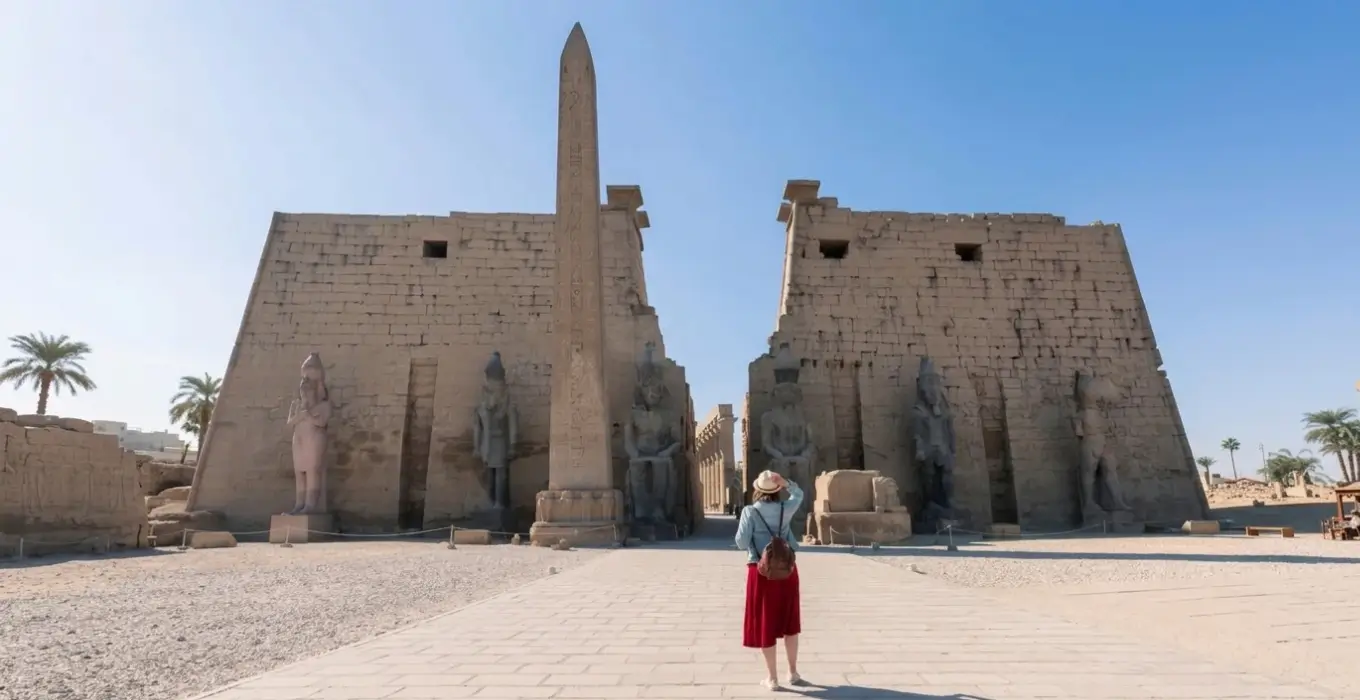
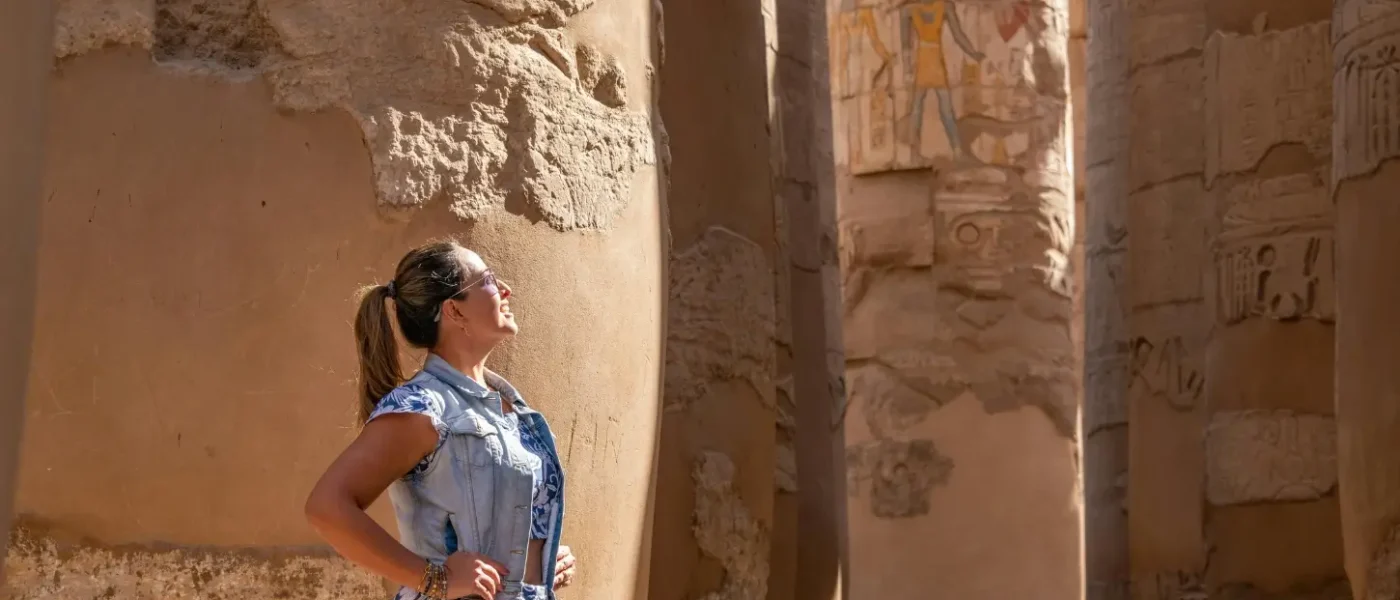
I always recommend visiting Karnak Temple at opening time, when the morning air is still cool and you can walk through the Great Hypostyle Hall in near solitude. Luxor Temple transforms at dusk, when evening lights illuminate its columns — worth circling back for in the evening.
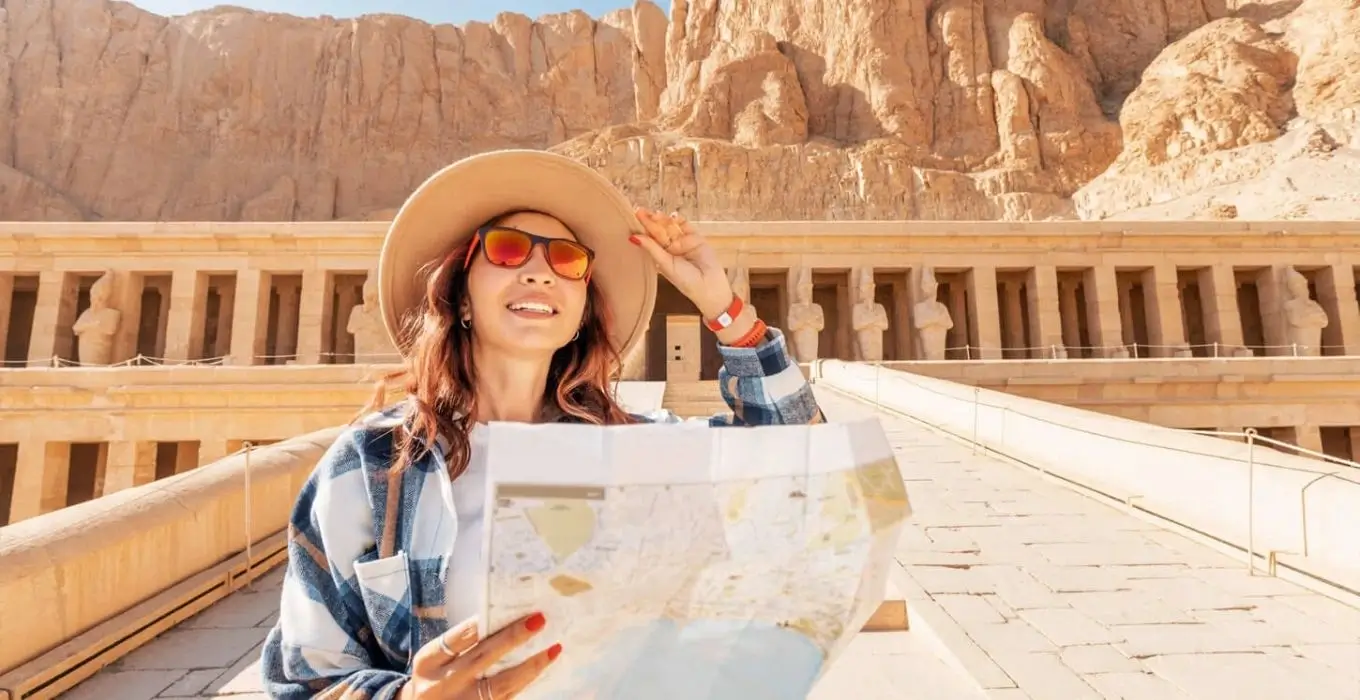
On the west bank, the Valley of the Kings, Hatshepsut Temple, and the Colossi of Memnon round out the morning. The heat here demands respect — plan a midday break at your hotel before heading back out for sunset.
Days 11–14: Red Sea, Rest, and Departure
After ten days of temples and travel, the final stretch is built for rest. From Cairo or Luxor, a short flight takes you to the Red Sea coast — either Hurghada for accessible, family-friendly beaches, or Sharm El Sheikh on the Sinai Peninsula for some of the clearest diving water in the world.
Two to three days here is usually enough: a beach day, an optional snorkeling or diving excursion, and — if you have the energy — a desert safari with a Bedouin dinner under the stars. From there, it’s a short flight back to Cairo for your departure.
Guided Tours vs. Independent Travel: My Personal Reflection
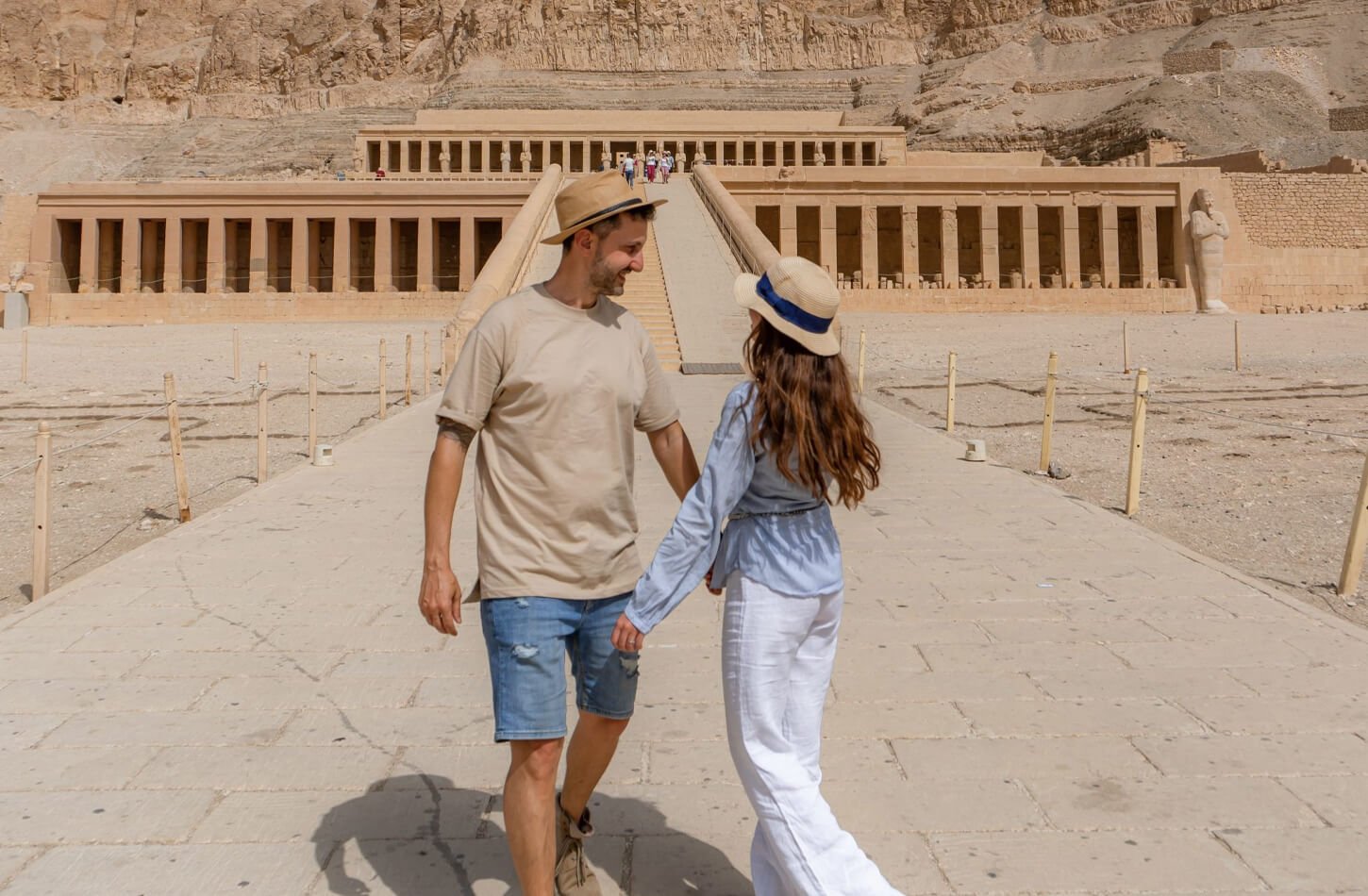
I’ve watched countless visitors face this crossroads. Each path offers unique rewards, but they lead to very different experiences.
| Aspect | Independent Travel | Guided Tour |
|---|---|---|
| Navigation | Self-directed | Expert-led |
| Pace | Fixed schedules | Customizable |
| Context | Guidebooks | Local insights |
| Safety | Self-reliant | Supported |
A private guide does more than share facts — they provide context that brings history to life. For those considering their options, you can tailor-make your own Egypt tour around exactly this itinerary.
Preparing for a Seamless 14-Day Trip
What to Pack
- Breathable, lightweight fabrics for the desert heat.
- Sturdy walking shoes for ancient stones and sandy terrain.
- A scarf or shawl — useful for temple visits and cooler desert evenings.
- Sunscreen, a refillable water bottle, and a portable charger.
For more detailed packing and safety advice, see our full Egypt travel tips guide.

Transport Between Cities
| Transport Type | Best For | Note |
|---|---|---|
| Private Car | City transfers | Wi-Fi often available |
| Domestic Flight | Cairo–Aswan / Cairo–Hurghada | Book early in high season |
| Nile Cruise | Aswan–Luxor river journey | Replaces 2–3 days of driving |
Insider Tips: Local Spots and a Few Words of Arabic.
The scent of fresh bread from a hidden Cairo bakery has guided me through the city’s alleys long before any map could. These are the moments that turn a trip into a memory.
- Learning “Shokran” (thank you) opens hearts here — a simple word that turns strangers into friends.
- One small Cairo eatery serves koshary so well the owner knows my order before I speak.
- If you want to explore further off the beaten path, our Egypt Desert Safari Tours reach the Western Desert’s remote oases and ancient caravan routes.
Frequently Asked Questions
Is two weeks enough to feel the soul of this ancient land?
For me, it was a perfect rhythm. This pace allows your spirit to settle, to watch the light change on the river, and to listen to the stories whispered by the stones. It’s a journey of depth, not just distance.
Is 14 days enough to see Egypt?
Yes. Fourteen days comfortably covers Cairo and Giza, a 3–4 night Nile cruise between Aswan and Luxor, Abu Simbel, and a few days on the Red Sea coast — the full circuit most travelers want, without rushing.
How much does a 14-day Egypt tour cost?
A private, guided 14-day Egypt trip typically runs from around $1,450 to $2,600+ per person, depending on hotel and Nile cruise class, the Red Sea destination chosen, and whether domestic flights are included.
What was the most profound moment on your Nile cruise?
Sitting on the deck at dusk, the world reduced to the sound of water and the silhouette of palm trees against a violet sky. It’s a moving meditation, connecting the majestic sites with the quiet flow of life along the banks.
How did you navigate the grandeur of Luxor without feeling rushed?
I chased the dawn. Being among the first to walk into Karnak Temple as the sun gilded the columns was a private audience with history. I saved the afternoons for quiet reflection, a sweet mint tea in hand, away from the day’s heat.
Is a guide necessary to unlock the magic of the pyramids?
While you can marvel at their scale alone, a knowledgeable local reveals their secrets — the play of shadows at certain hours, the lesser-known angles for contemplation. A guide turns monuments into narratives.
What essential item did you pack for the Western Desert?
A sheer scarf. It was my shield against the sun and sand, a respectful cover for my shoulders at sacred places, and a comfort against the evening chill under a blanket of stars.
Can you truly find quiet moments in such a storied place?
Absolutely. I found them in the courtyard of a Coptic church in Old Cairo, on a felucca at sunset in Aswan with only the sail flapping, and in the early morning calm of the Valley of the Queens, before the world arrived.
Conclusion
Let this be the map that leads you from curiosity to connection — from reading about wonders to living them.
Whether you spend a morning exploring southern temples or an evening lost in northern markets, this land leaves an indelible mark. I’d be honored to be your personal guide, crafting a 14-day Egypt itinerary that reflects exactly what you want to see.
Ready to plan your trip? Get in touch to customize this itinerary, or read more about who guides your journey.
Many visitors follow the main routes. They miss the subtle beauty of remote oases and ancient tombs. These special places hold stories untouched by time.
.