
What’s the best 7 day Egypt itinerary for first-timers?
Spend days 1–2 in Cairo (Pyramids, Museum, Khan el-Khalili), days 3–4 in Aswan (Philae, Abu Simbel, Nubian villages), then days 5–7 in Luxor (Karnak, Valley of Kings).
Days 1–2 Cairo — Giza Pyramids ($13 entry), Egyptian Museum, Khan el-Khalili souk
Days 3–4 Aswan — Abu Simbel (3.5hr drive), Philae Temple, felucca sail at sunset
Days 5–7 Luxor — Karnak at sunrise, Valley of the Kings tombs, Luxor Temple at dusk
Getting around overnight sleeper train Cairo–Luxor, or fly for speed
I still remember the hush that fell over a small group of travelers as dawn broke over Karnak Temple. One of them turned to me and whispered, “What did it feel like to live here?” That question is exactly what shapes every 7 day Egypt itinerary I build — not a checklist of ruins, but a week designed for moments like that one.
After two decades guiding travelers through Cairo, Luxor, and Aswan, I’ve learned that seven days is the sweet spot for a first trip to Egypt. It’s enough time to see the essentials without rushing, and short enough to fit inside most people’s vacation days. Below is the exact 7 day Egypt itinerary I use with my own guests, day by day, with real prices, transport options, restaurant picks, and the small details that turn a good trip into an unforgettable one.
Why Seven Days Is the Right Length for a First Trip to Egypt
Every year I get asked whether five days is enough, or whether ten would be better. In my experience, a 7 day Egypt itinerary hits the sweet spot for a reason: five days forces you to choose between Cairo and Upper Egypt, and most first-time visitors end up regretting skipping either the Pyramids or the Valley of the Kings. Ten days is wonderful if you have it, but most travelers don’t have ten vacation days to spare. Seven days lets you cover Cairo, Aswan, and Luxor at a pace that still leaves room to actually enjoy each site, rather than sprinting between them.
Key Takeaways
- Seven days is enough to cover Cairo, Aswan, and Luxor comfortably without feeling rushed.
- Flying between cities saves time; the overnight sleeper train is the slower, more romantic (and cheaper) alternative.
- Book Abu Simbel and Valley of the Kings tickets in advance during peak season (October–April).
- Budget separately for entrance fees — most major sites charge $10–$25 USD per person.
- A licensed Egyptologist guide turns silent stones into stories; I recommend one for every major site.
- This 7 day Egypt itinerary can be built as a private, tailor-made tour, or combined with a Nile cruise between Luxor and Aswan.
7 Day Egypt Itinerary at a Glance
Here’s the full week of this 7 day Egypt itinerary in one view, before we get into the details of each day.
| Day | City | Highlights |
|---|---|---|
| 1 | Cairo | Giza Pyramids, the Great Sphinx, camel ride at Panoramic Point |
| 2 | Cairo | Egyptian Museum, Khan el-Khalili souk, Islamic Cairo |
| 3 | Aswan | Flight to Aswan, Philae Temple, sunset felucca sail |
| 4 | Aswan | Abu Simbel day trip, Nubian village visit |
| 5 | Luxor | Travel to Luxor, Karnak Temple, Luxor Temple by night |
| 6 | Luxor | Valley of the Kings, Hatshepsut Temple, Colossi of Memnon |
| 7 | Cairo | Luxor Museum, flight to Cairo, departure |
Day 1: Arrival in Cairo & the Giza Pyramids
The first time you see the Great Pyramid rising out of the desert, time seems to stop. This 138.5-meter marvel, built from 2.3 million stone blocks over roughly twenty years, is where I always start a 7 day Egypt itinerary — nothing else sets the scale of what’s ahead quite like it.
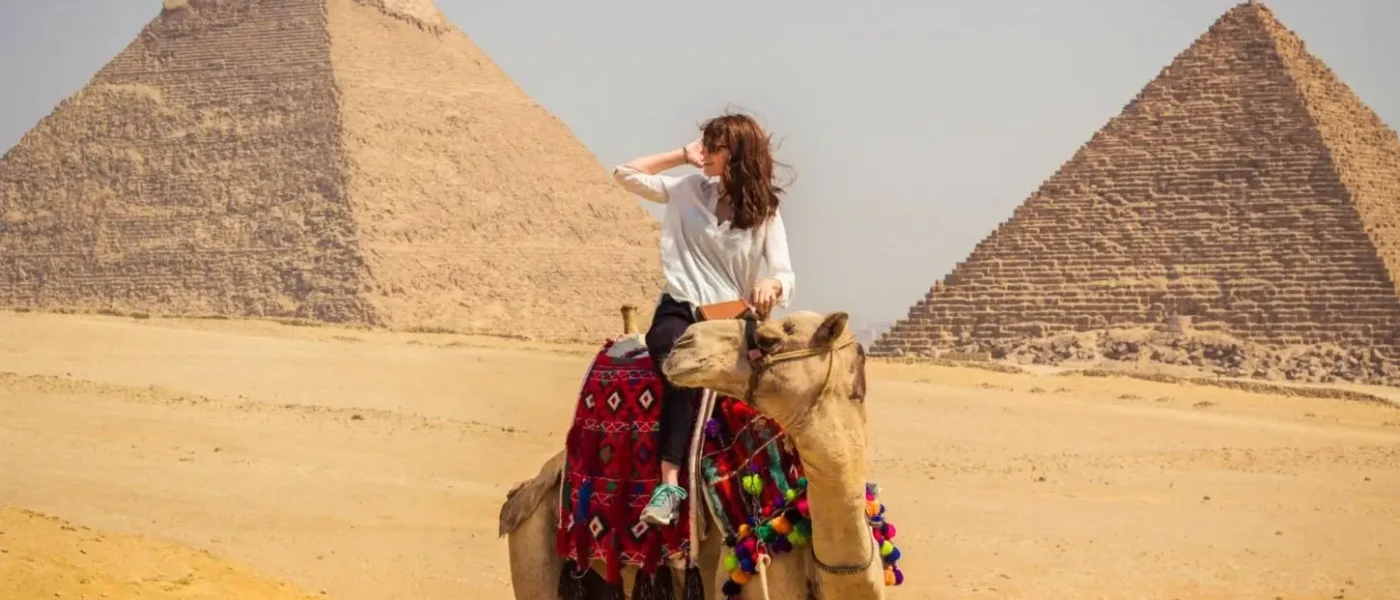
The Giza Pyramids complex is open 8am–4pm, with entry around 400 EGP (about $13 USD) for adults, plus an additional ticket if you want to go inside the Great Pyramid itself. Go early to beat both the heat and the tour-bus crowds arriving from Cairo hotels. From the plateau, walk to Panoramic Point for the classic six-pyramid photo, and — if you’re up for it — a short camel or horse ride across the sand.
For lunch, head to Nine Pyramids Lounge, a rooftop cafe with unobstructed views of all three pyramids — a nice way to sit down after a few hours of walking in the sun. In the afternoon, most first-timers rest at their hotel to recover from jet lag; if yours overlooks Giza, this is the moment to enjoy that view slowly, ideally with a cold hibiscus tea in hand.
Day 2: Egyptian Museum, Khan el-Khalili & Islamic Cairo
Start at the Egyptian Museum as early as possible, before the tour groups arrive, to see Tutankhamun’s golden treasures in something close to peaceful solitude. The museum holds over 120,000 artifacts, so I recommend picking three or four halls in advance rather than trying to see everything — rushing through it is the single most common mistake I see on a 7 day Egypt itinerary.
Afterward, head into Khan el-Khalili, Cairo’s centuries-old souk, for spices, lanterns, and the kind of bargaining that’s part of the fun rather than a chore. Stop at El Fishawy, Cairo’s oldest coffeehouse, for a mint tea and a bit of people-watching under its antique mirrors. Round out the afternoon with a walk through Islamic Cairo, past the Citadel of Saladin and the Alabaster Mosque, for a different, quieter side of the city.
My personal tip after twenty years guiding this city: use Uber for reliable transport around Cairo without the haggling stress of street taxis. If you’d rather have all of Day 1 and Day 2 planned and guided for you, our Cairo tour packages build this exact combination in with a licensed guide, so you’re not navigating logistics on your own vacation.
Day 3: Fly to Aswan — Philae Temple & a Nubian Sunset
A short domestic flight, usually under an hour and a half, takes you from Cairo to Aswan, Egypt’s laid-back southern gateway and the true starting point of Upper Egypt on this 7 day Egypt itinerary. Once there, visit Philae Temple, dedicated to the goddess Isis and set serenely on its own Nile island — a short boat ride gets you there, past fishermen and reed banks.
As the sun drops, find a felucca captain along the riverbank for a quiet sail — no motor, just wind and water, and one of the most peaceful hours of the whole trip. Staying a night in a Nubian guest house on this leg adds real cultural texture, from hand-painted house facades to home-cooked Nubian bread. Explore our Aswan day tours for guided options that build in a Nubian village visit alongside the temple.
Day 4: Abu Simbel Day Trip
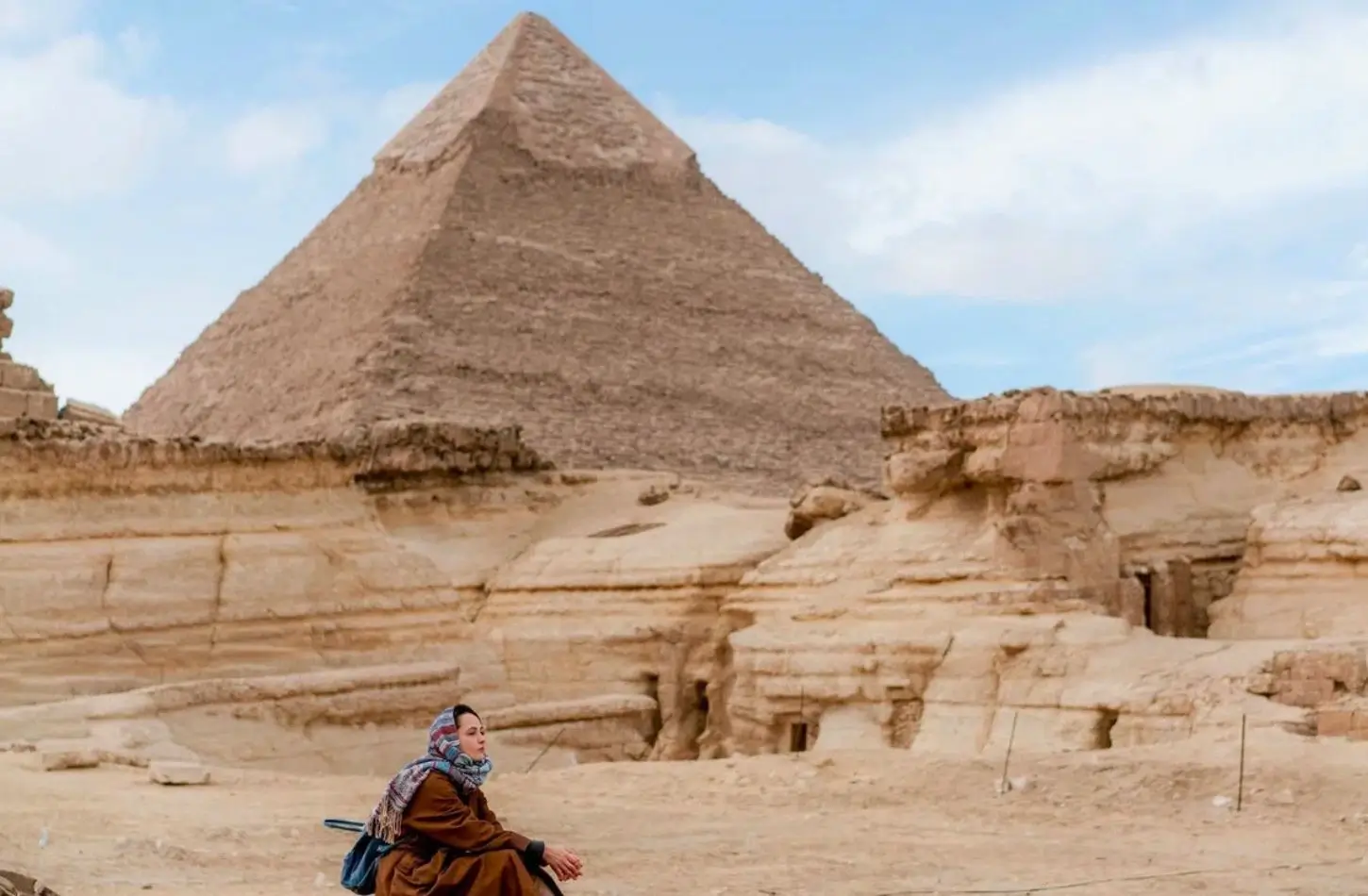
This is the day that makes people fall in love with Upper Egypt. Abu Simbel, Ramses II’s cliff-carved temple, sits about 3.5 hours south of Aswan by road; there are also short flights if you’d rather save the time. Most convoys leave before sunrise to arrive as the temple opens, and it’s worth the early start — the light hits the facade’s four colossal statues differently in the early morning than at any other hour.
Budget the better part of the day for travel plus 1.5–2 hours on site. Pack water, sunscreen, and a hat; there’s very little shade once you’re at the site itself. Anyone building a 7 day Egypt itinerary around Upper Egypt should treat this as a non-negotiable day — it’s consistently the single most-mentioned highlight from guests I’ve taken through this route.
Day 5: Luxor — Karnak Temple & Luxor Temple by Night
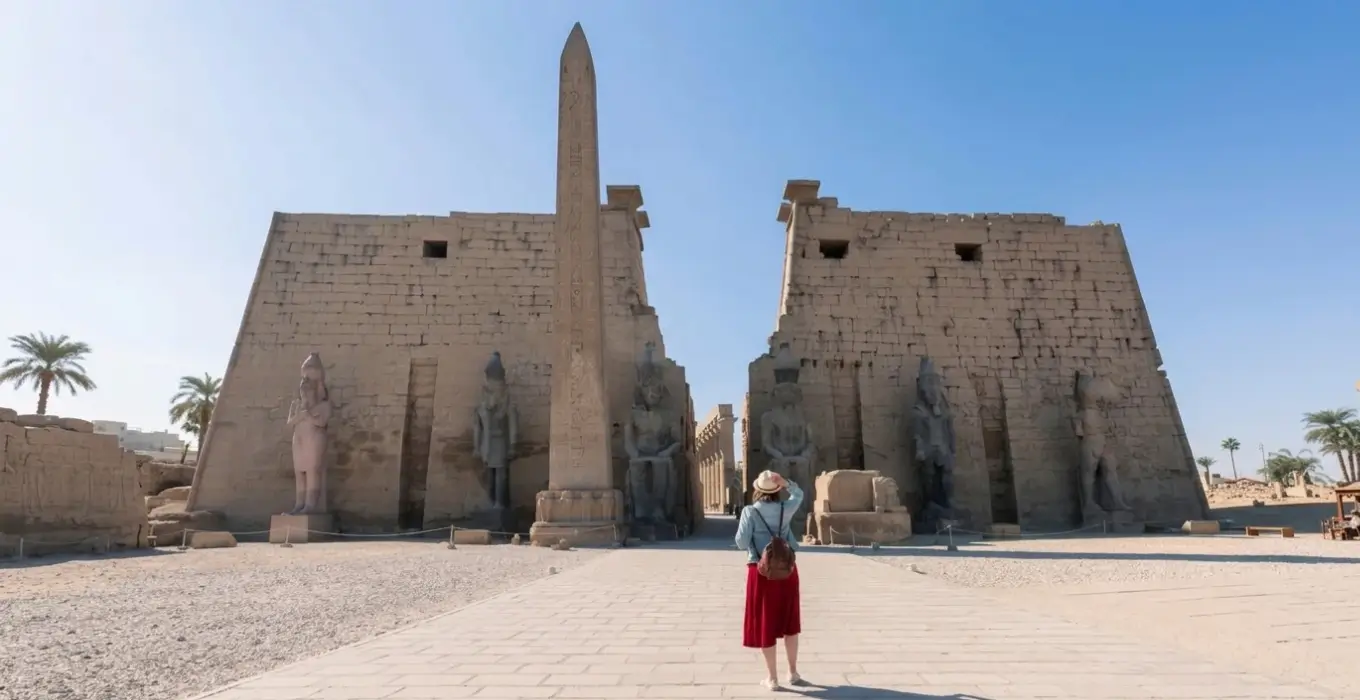
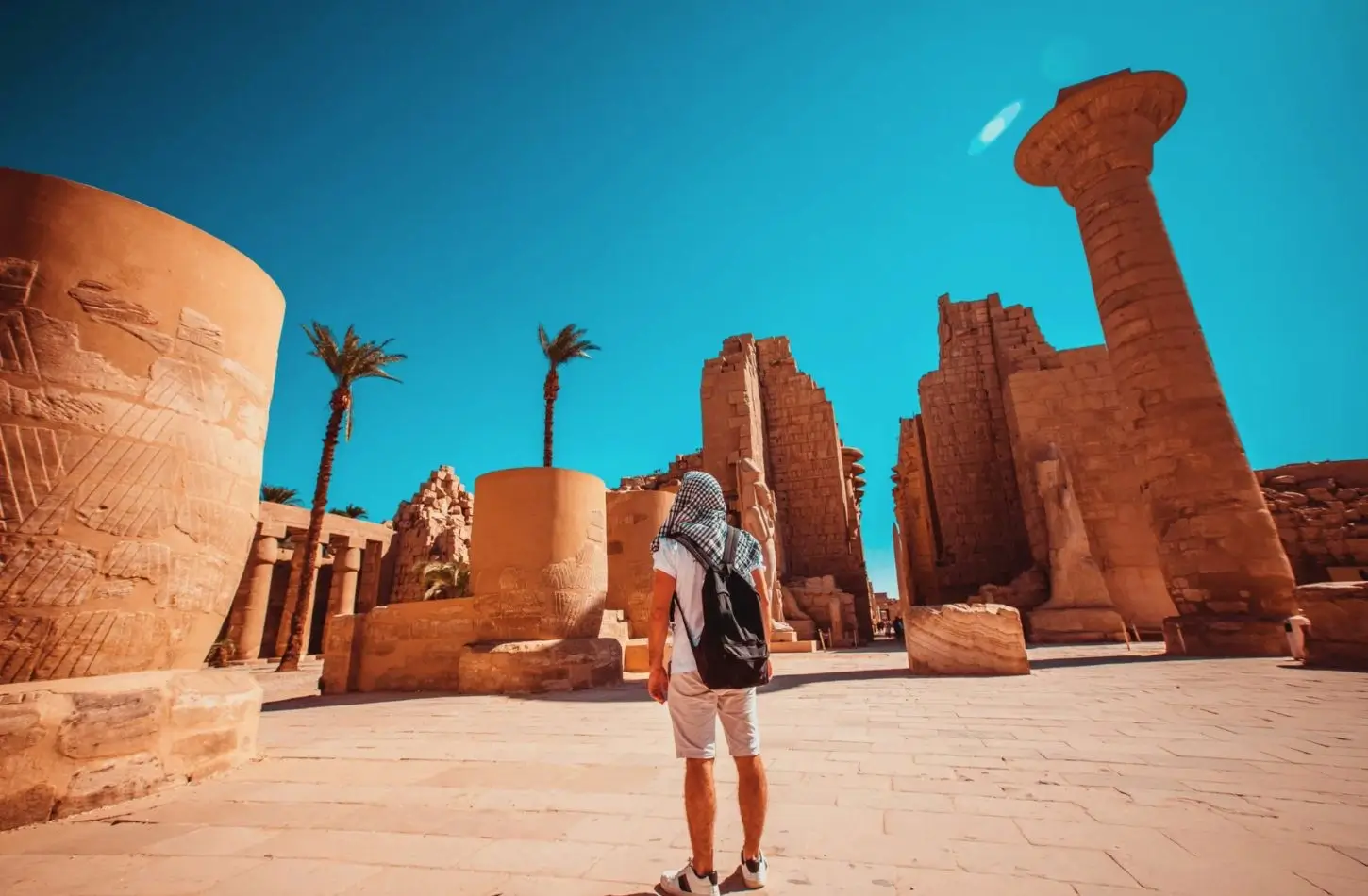
Travel on to Luxor — by short flight, by the overnight sleeper train, or as part of a Nile cruise if you’d rather sail between Aswan and Luxor over a few days instead of flying. Once in Luxor, morning light is the best time at Karnak Temple, one of the largest religious complexes ever built — its scale of columns and obelisks needs to be seen in person to really register, and photos never quite do the Hypostyle Hall justice.
In the evening, Luxor Temple transforms completely: soft floodlighting brings the carvings along the Avenue of Sphinxes to life. Seeing both temples in the same day, morning and night, is one of the best contrasts this 7 day Egypt itinerary offers, and it’s a pacing trick I use with almost every group I guide through Luxor.
Day 6: Valley of the Kings & Luxor’s West Bank
Cross to the West Bank for the Valley of the Kings, the royal burial ground holding the tombs of pharaohs including Ramses IX, Ramses IV, and Seti I — their painted burial chambers still hold vivid color after three thousand years. Standard entry includes three tombs; Tutankhamun’s tomb and Seti I’s tomb require separate tickets, and I usually recommend adding at least one of them.
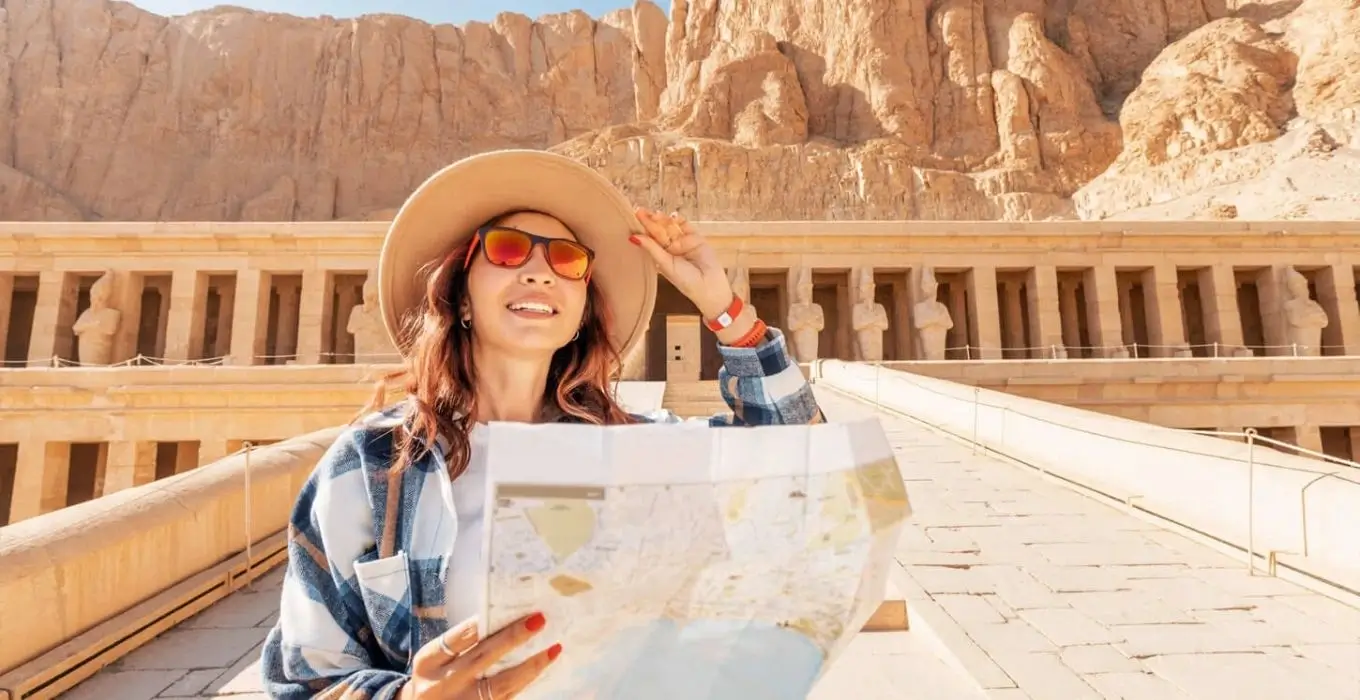
Pair the Valley of the Kings with the Temple of Hatshepsut, carved directly into the cliffs at Deir el-Bahari, and the Colossi of Memnon nearby on the way back. Not sure why the West Bank gets a completely different pace than the East Bank across the river? Our Luxor East Bank vs West Bank guide breaks down exactly what to prioritize if you have extra time to add to this day.
Day 7: Luxor Museum, Flight to Cairo & Departure
Before heading to the airport, the Luxor Museum is a small, well-curated stop that ties together everything you’ve seen over the past three days — it’s far less crowded than the Egyptian Museum and genuinely worth the hour.
Fly back to Cairo for your international departure, or extend your stay; our Luxor tour packages make it easy to add extra nights if a week starts to feel too short, which it often does by Day 7.
How Much Does a 7 Day Egypt Itinerary Cost?
Costs vary widely depending on how you travel between cities and where you stay. Here’s a realistic range per person for this 7 day Egypt itinerary, based on double occupancy, excluding international flights into Egypt:
| Tier | Per Person (7 Days) | What’s Included |
|---|---|---|
| Budget | $500–$800 | 3-star hotels, domestic flights or train, group entrance tickets, no private guide |
| Mid-range | $900–$1,500 | 4-star hotels, domestic flights, licensed private guide for major sites, some meals |
| Luxury | $1,800+ | 5-star hotels or a Nile cruise cabin, private guide and driver throughout, all entrance fees included |
Entrance fees are billed separately in Egypt — the Giza Plateau, Egyptian Museum, Karnak, and Valley of the Kings are each priced individually, typically $10–$25 per site. If you’d rather not price this out yourself, our team can build a tailor-made Egypt tour around your exact budget, or you can browse ready-made Egypt tour packages that already bundle this itinerary.
Practical Tips: Transport, Currency, Dress Code & Safety
- Getting around: domestic flights are fastest between Cairo, Aswan, and Luxor. The overnight sleeper train (Cairo–Luxor) is slower but comfortable, with private cabins and meals included — book it in advance in peak season.
- Currency: the Egyptian Pound (EGP) is divided into 100 piastres. Cash is king in markets and for small tips (baksheesh); carry small notes.
- SIM card: pick one up at the airport on arrival — it makes navigation and staying in touch dramatically easier for the rest of the week.
- Dress code: dress modestly, especially at religious sites — shoulders and knees covered. A light scarf is useful for both sun and temple visits.
- Safety: Egypt is welcoming to travelers; keep bags secure in crowded areas like souks and train stations, same as any major tourist destination.
For a longer checklist, see our full Egypt travel tips guide.
Best Time of Year for a 7 Day Egypt Itinerary
October through April is peak season for good reason: daytime temperatures sit in a comfortable range for walking around open-air temple complexes for hours at a time. Here’s how the months break down so you can pick the window that fits you best.
- December–January: coolest, most comfortable weather, but also the most crowded and the highest hotel prices of the year.
- October, November & March: the sweet spot — mild temperatures with noticeably thinner crowds at major sites.
- February & April: still pleasant, with warmer afternoons — a good shoulder-season choice.
- June–August (summer): possible but demanding; by 11am in Luxor and Aswan, temperatures regularly climb past 40°C (104°F), so plan for early starts and midday breaks.
What to Pack for This Route
Given how much walking this 7 day Egypt itinerary involves, in open sun and on uneven temple stones, a few packing choices make a real difference to comfort. Here’s what I tell every guest to bring.
- Light, breathable clothing that covers shoulders and knees — works for sun protection and temple dress codes at once.
- A wide-brim hat and high-SPF sunscreen — non-negotiable, especially at Abu Simbel and the Valley of the Kings, where shade is minimal.
- A reusable water bottle — refill stations and bottled water are widely available, but you’ll drink far more than you expect.
- Comfortable closed shoes rather than sandals — temple floors and desert sites are uneven and often hot underfoot.
- A light scarf or shawl — doubles as sun cover and a quick layer for mosque and temple visits.
Visa & Entry Requirements
Entry paperwork is one of the few parts of this trip worth sorting out before you land, so Day 1 of your 7 day Egypt itinerary isn’t spent standing in an airport queue. Here’s what most travelers need to know.
- E-visa (recommended): available online in advance for most nationalities, including the US, UK, EU, and Canada — apply at least a few days before departure.
- Visa on arrival: available at Cairo International Airport for around $25 USD, paid in cash — convenient, but adds an extra queue after a long flight.
- Passport validity: make sure your passport has at least six months of validity remaining from your entry date.
- Currency for fees: bring USD or EUR cash for visa fees; card payment isn’t reliably accepted at the visa counter.
Where to Stay on This 7 Day Egypt Itinerary
Where you sleep shapes how the trip feels almost as much as the sites do. A room with the right view turns a routine hotel stay into part of the itinerary itself. Here’s what I recommend by city.
- Giza: book a hotel with a rooftop or room facing the plateau — waking up to the pyramids from your window is worth prioritizing over other amenities.
- Luxor: look for Nile-facing rooms; breakfast with the river in view is one of the small pleasures that makes this trip memorable.
- Aswan: a Nubian-style guest house adds cultural texture that a standard hotel can’t.
- Style: I generally recommend boutique hotels and guest houses over large chains for this kind of route — they connect you with local hospitality in a way big properties don’t.
If you’d like help choosing, reach out through a licensed Egyptian guide who knows the current state of specific hotels, not just their star rating.
Make This Itinerary Your Own
This is the version I build for most first-time guests, but it flexes easily depending on how much time, budget, and pacing you want to work with. A few common ways travelers adapt it:
- Short on time: start with our one-day Cairo itinerary if you only have 24 hours in the capital before flying south.
- Want it fully private: a tailored 7 day Egypt itinerary built around your pace, with timing, hotels, and stops adjusted day by day instead of a fixed template.
- Want more time on the water: swap the Aswan–Luxor flight for a multi-night Nile cruise and extend the week to 9–10 days.
- Traveling with kids: build in an extra rest day around the Aswan–Luxor transition and slow the daily pace.
Our team designs each 7 day Egypt itinerary individually rather than reusing the same script for every traveler — reach out and tell us what matters most to you.
How to Book This 7 Day Egypt Itinerary
Booking directly with a local operator, rather than a large international agency, usually means better prices and a guide who actually knows the sites personally, not from a script. Here’s how the process works once you reach out.
- Share your dates: tell us your travel window and how many travelers, so we can check flight and hotel availability.
- Match with a guide: we pair you with a licensed Egyptologist guide suited to your interests and pace.
- Lock in transport: domestic flights or trains between Cairo, Aswan, and Luxor get booked early — seats sell out sooner than most travelers expect for October–December departures.
- Confirm and travel: you’ll receive a full day-by-day plan with hotels, guide contact, and transport details before you land.
Frequently asked questions
Is 7 days enough to see Egypt?
Yes — seven days comfortably covers Cairo, Aswan, and Luxor, the three cities that hold most of Egypt’s essential sites. A well-paced 7 day Egypt itinerary won’t show you everything the country offers, but it will cover the Pyramids, Abu Simbel, Karnak, and the Valley of the Kings without feeling rushed.
Should I fly or take the train between Cairo, Luxor, and Aswan?
Flying is faster and more reliable on a 7-day timeline. The overnight sleeper train is a genuinely enjoyable experience if you have the extra hours and want to save on a hotel night, but I only recommend it if your schedule has some flexibility.
What’s the best time of year for this itinerary?
October through April, when daytime temperatures are comfortable for walking around open-air temple complexes. Summer travel is possible but requires early starts to avoid the midday heat.
Do I need a guide for the Valley of the Kings and Abu Simbel?
You don’t need one legally, but I strongly recommend it. Both sites have minimal on-site signage, and a licensed Egyptologist guide is the difference between walking past silent tombs and actually understanding what you’re looking at.
Can this itinerary include a Nile cruise?
Yes. Swap the flight between Aswan and Luxor for a 3–4 night Nile cruise, and you’ll see smaller temples like Kom Ombo and Edfu along the way. It adds a couple of days to the week, so plan for 9–10 days total if you want to fit the cruise in without cutting anything else
How much does a 7 day Egypt itinerary cost in total?
Budget travelers can complete this route for roughly $500–$800 per person, mid-range travelers should expect $900–$1,500, and a fully private, luxury version runs $1,800 and up, excluding international flights. Entrance fees are billed separately from any tour package price.
Is this 7 day Egypt itinerary suitable for families with kids?
Yes, with some pacing adjustments. Younger children usually do best with a slightly slower version of this route, with more downtime built into the afternoons and an extra rest day added around the Aswan–Luxor transition.
Ready to Walk in Ancient Footsteps?
Seven days from now, you could be standing where pharaohs once stood, watching the sun set over the Nile from a felucca, or catching that first, breath-taking glimpse of Abu Simbel at dawn. That’s not a brochure line — it’s what this 7 day Egypt itinerary actually delivers, week after week, for the travelers I guide myself.
The hardest part of planning Egypt isn’t choosing what to see — it’s turning that list into a route that actually flows. That’s where I come in. Tell me your travel dates, and I’ll take care of the flights, the guides, the timing, and the small details that make the difference between seeing Egypt and experiencing it.