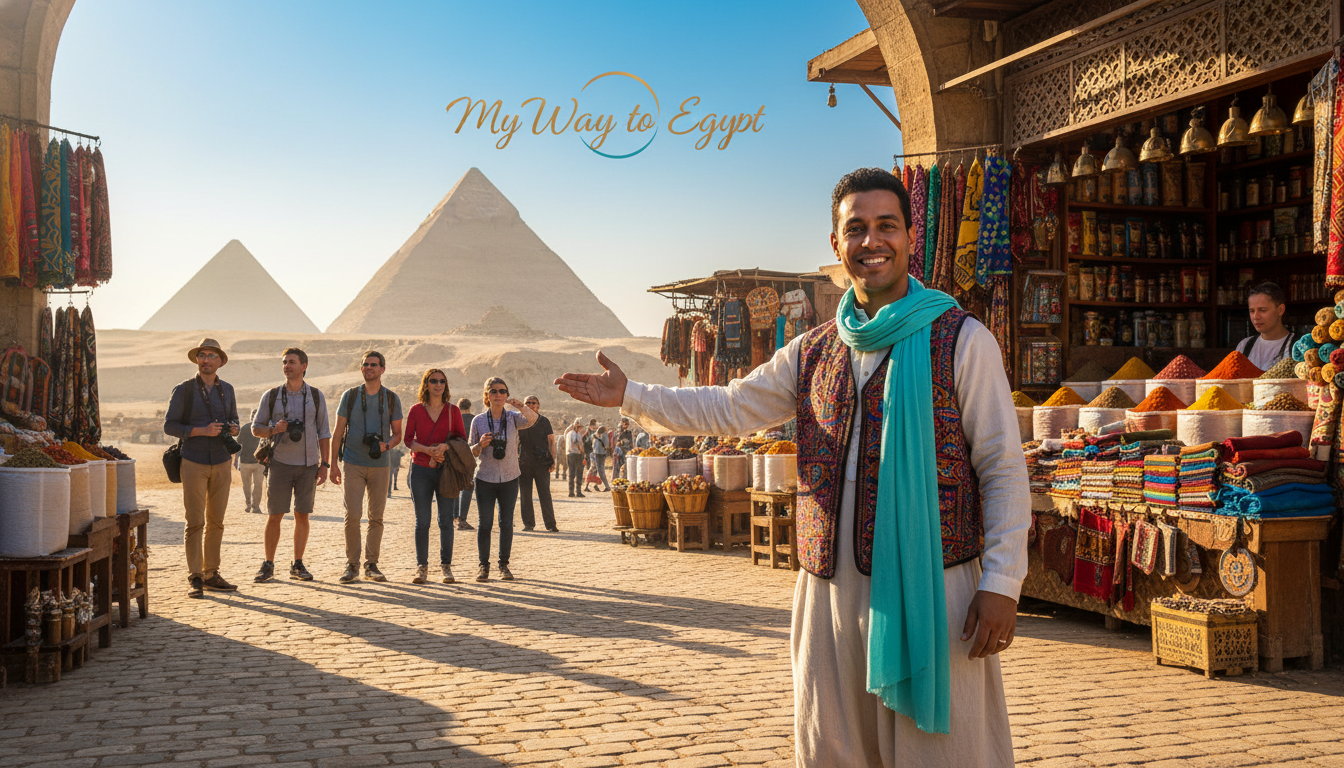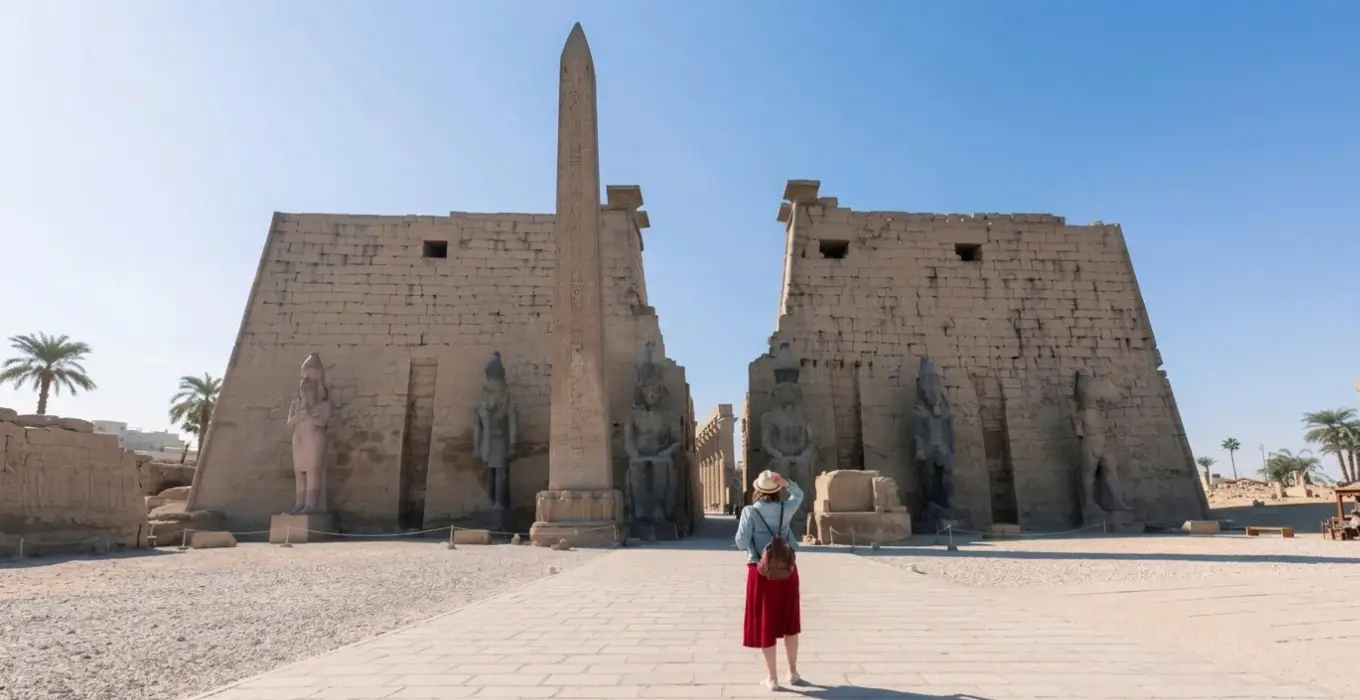
Is Egypt safe to travel in 2026? Yes, for most visitors on the main tourist route: Cairo, Giza, Luxor, Aswan, Hurghada, and Sharm El Sheikh. The US rates Egypt Level 2 (Exercise Increased Caution), and the UK FCDO does not advise against travel to these areas, while North Sinai, border zones, and parts of the Western Desert are no-go.
I’m Momo, a Ministry of Tourism-licensed guide, and our private Egypt tour packages and Nile cruises stay on open, permitted routes. Prefer a tailored plan? Customize your Egypt trip.
I have guided travelers through Cairo, Luxor, Aswan, and the Red Sea for more than two decades. This guide gives you the current advisory status, the places to skip, and the everyday risks that actually catch visitors out. If you are planning your first trip, pair it with our first-time Egypt travel tips.
Is Egypt Safe to Travel? The Short Answer
- Overall: the main tourist destinations are open and operating normally, with a visible police presence at major sites.
- US advisory: Level 2, Exercise Increased Caution, with Do Not Travel guidance for North and Middle Sinai and parts of the Western Desert.
- UK FCDO: no advice against travel to the main tourist areas. It advises against travel to specific border and desert zones.
- Avoid: North Sinai, the Libyan border area and remote Western Desert areas without a licensed operator and permits.
- Real-world risks: scams, touts, heat, upset stomachs and chaotic traffic. Violent crime against tourists is rare.
- Flights: Egyptian airspace has stayed open through the 2026 regional conflict, but check with your airline if your route passes near neighboring countries.
- Save these numbers: police 122, ambulance 123, Tourist Police 126.
Is Egypt Safe to Travel Right Now? What the 2026 Advisories Say
| Source | Status | What it means for you |
|---|---|---|
| US State Department | Level 2: Exercise Increased Caution | Travel is allowed. Do Not Travel applies to North and Middle Sinai and parts of the Western Desert. |
| UK FCDO | No restriction on the main tourist areas | Luxor, Aswan, Abu Simbel and the Valley of the Kings are open. Advice against travel covers specific border and desert zones. |
| Australia (DFAT) | No advice against travel to the main destinations | Same pattern: the warnings are regional, not citywide. |
These advisories change, so check the live pages before you fly. Americans should enroll in the State Department’s STEP program, and UK travelers should read the FCDO’s Egypt page the week they leave. If you are coming from the States or Britain, see our Egypt tours from the USA and Egypt tours from the UK.
What about the regional conflict? The Middle East has been tense since early 2026. In Egypt, the main tourist hubs have kept operating normally, and Egyptian airspace has stayed open. The practical effect for visitors is occasional flight disruption on routes through neighboring countries, not restrictions on Cairo, Luxor, Aswan, or the Red Sea resorts.
Which Parts of Egypt Are Safe, and Which to Avoid
“Is Egypt safe?” depends on where you are going. Here is how I describe each area to guests.
| Area | Safety picture | Notes |
|---|---|---|
| Cairo and Giza | Safe on the tourist route. Petty theft and touts are the main issues. | Security screening at the Giza Plateau and museums. See our Cairo tours and things to do in Cairo. |
| Luxor | Safe and calm, with a strong visitor infrastructure. | Heat is the bigger concern than security. See our Luxor tours and the Luxor East Bank vs West Bank guide. |
| Aswan and Abu Simbel | Safe and relaxed. | Book the Abu Simbel day trip from Aswan through a licensed operator. See our Aswan tours. |
| Nile cruises | Safe. Ships dock at established tourist ports with security. | See our Nile cruise from Luxor to Aswan guide. |
| Hurghada and Marsa Alam | Safe resort areas. | Use licensed boat and safari operators. See Hurghada tours and Marsa Alam tours. |
| Sharm El Sheikh and Dahab | Safe in the resort areas. The warnings concern the Sinai interior, not the resorts. | See our Sharm El Sheikh tours. |
| Alexandria | Safe, with moderate city-level petty crime. | Usual big-city awareness. |
| Siwa and the White Desert | Accessible with a licensed operator and the right permits. | Do not self-drive. See our desert safari tours. |
| North Sinai and the Libyan border | Avoid. | Under Do Not Travel or advice-against-travel guidance. |
Is Egypt Safe For…
Solo female travelers
Yes, with sensible precautions. Expect occasional unwanted comments in busy areas. A firm “la shukran” (no, thank you), modest dress, and pre-booked transport solve most of it. Avoid walking alone late at night in quiet streets, and use Uber or Careem door-to-door. The National Council for Women hotline is 15115. Our full solo female travel guide goes deeper, and what to wear in Egypt covers dress.
Families with kids
Yes. The main sites are well organized, and the biggest risks are heat, sun, and stomach upsets, not crime. Start early, carry sealed water, and plan rest breaks. See our family tours with kids.
Cairo at night
Central Cairo stays busy late and feels lively. Use Uber or Careem rather than flagging taxis, and avoid wandering alone through quiet side streets after dark.

Petty Crime and Scams
Violent crime against tourists is rare. What visitors actually meet is persistent selling and a few well-worn tricks.
| Scam | How it works | What to do |
|---|---|---|
| “Free” gift or photo | Someone hands you an item or poses you with a camel, then demands payment. | Decline politely and keep walking. |
| “The entrance is closed” | A stranger says a site is shut and steers you to a shop or tour. | Check at the official ticket office. |
| Perfume, papyrus, and oil “institutes” | A friendly detour ends in high-pressure sales. | Stick to your itinerary and say no. |
| Taxi “broken meter” | The driver quotes a high fixed fare at the end. | Use Uber or Careem, or agree the fare first. |
| Camel and horse rides | Prices rise once you are on the animal. | Agree the full price, duration and any extras before you mount. |
A calm “la shukran” with steady walking and a purposeful pace works in almost every market. Pickpockets operate in crowds, so keep your bag in front of you at busy sites. For realistic daily costs, see our Egypt travel cost per day guide.
Food, Water and Health
- Water: tap water is not safe to drink. Use sealed bottled water, and avoid ice if you are unsure of the source.
- Food: eat at busy restaurants, choose freshly cooked dishes, and peel your own fruit.
- Stomach: pack oral rehydration salts and basic stomach medication.
- Heat and sun: start sightseeing early, wear a hat and sunscreen, and drink constantly, even in cooler months.
- Medication: carry prescriptions in their original packaging, plus a small first-aid kit.
Getting Around Safely
- Cities: Uber and Careem give you a fixed fare and a digital trip record.
- Airport: book a pre-arranged pickup so you land to a named driver. See our Cairo airport transfer to hotel guide.
- Between cities: domestic flights, sleeper trains or private drivers. Avoid long night drives on desert roads.
- Remote routes: the desert road to Siwa has very few fuel stops. Go with a licensed operator and fuel up early.
- Traffic: road traffic is the biggest physical risk for most visitors. Let an experienced driver handle it.
Laws and Etiquette That Affect Your Safety
- Drones and satellite phones: bringing them in can lead to confiscation. Leave them at home.
- Photography: do not photograph military sites, government buildings or bridges. Ask before photographing people.
- Dress: cover shoulders and knees at religious sites and in smaller towns. A light scarf works for sun and respect.
- Public behavior: keep public affection low-key, especially outside the main resort areas.
Entry and Visas
Most visitors can get a tourist visa on arrival or apply for an e-visa in advance through the official government portal. Fees and eligibility change, so check the official portal before you travel. Our Egypt visa guide walks through the steps. Keep your passport and entry stamp safe, and check your visa dates before you leave to avoid overstay fines.
Travel Insurance
Take comprehensive cover with medical evacuation. Check that it covers your activities, because diving, desert safaris, and quad biking often need extra inclusions. Keep your policy number and the insurer’s emergency line saved offline.
Why a Licensed Guide Makes Egypt Safer
The single best safety upgrade is a licensed guide who knows the sites, the timing, and the people. A good guide shields you from touts, picks the right hour for each site, and handles tickets, drivers, and logistics. Licensed guides carry a Ministry of Tourism ID, so ask to see it. Read more about my background as a licensed guide, or look at our private tours with a local guide and our Cairo packages.
Want a quieter option? A dahabiya Nile cruise is a small-boat, high-service way to see Upper Egypt.
My best timing tip for any major site is to arrive at opening. You get cooler air, thinner crowds and better light. See our best time to visit Egypt guide, and for an autumn trip, Egypt in November.
Emergency Numbers and What to Do If Something Goes Wrong
| Service | Number |
|---|---|
| Police | 122 |
| Ambulance | 123 |
| Tourist Police | 126 |
| National Council for Women | 15115 |
| US Embassy, Cairo | +20-2-2797-3300 |
Save your own embassy’s number before you land.
- Theft: report it to the Tourist Police (126) and ask for a written report for your insurer.
- Lost passport: contact your embassy, then the Tourist Police.
- Medical issue: call 123 or your hotel reception, then your insurer’s emergency line.
- Feeling unsafe: move to a busy public place, a hotel or a tourist police post, and call your guide or operator.

Staying Informed
Check the US State Department and UK FCDO pages for Egypt the week you travel, and enroll in your government’s traveler alert program. Around national holidays and anniversaries, such as January 25, security is heavier and some sites may change hours, so check local news. Your hotel, guide or tour operator will always have the freshest local picture. For more planning help, see our Egypt travel tips.
Egypt Safety FAQs
Is Egypt safe for tourists to visit right now?
Yes, Egypt is generally safe for travelers, particularly in major tourist hubs like Cairo, Giza, Luxor, Aswan, and the Red Sea resorts (such as Sharm El-Sheikh and Hurghada). Violent crime against tourists is rare, and the government maintains a heavy security presence (including tourist police) at all major historical sites, airports, and hotels. However, travelers should avoid specific high-risk zones, such as parts of North Sinai and immediate border regions.
What are the most common safety issues or scams to watch out for?
The most common issues tourists face are not violent crimes, but rather petty theft (like pickpocketing in crowded areas) and aggressive street vendors or touts. Common tourist scams include inflated prices for camel or horse rides, unofficial guides offering “free” help or photos that suddenly require payment, and overcharging by unregulated taxis. Always agree on prices upfront and use a firm “no, thank you” (la shukran).
Is Egypt safe for solo travelers and women?
While solo travelers and women do visit Egypt successfully every day, they often report experiencing persistent verbal harassment, staring, or unwanted attention. To minimize discomfort, dress conservatively (cover your shoulders, knees, and chest), avoid walking alone in poorly lit or isolated areas at night, use reputable transportation apps like Uber or Careem instead of random street taxis, and consider joining guided tours for a smoother experience.
Which areas of Egypt should be avoided?
Official travel advisories strongly recommend avoiding the Northern and Middle Sinai Peninsula due to ongoing security concerns and counter-terrorism military operations. Additionally, remote areas of the Western Desert and Egypt’s land borders with Libya and Sudan are restricted military zones and unsafe for standard leisure travel.
What is the safest way to get around the country?
For intercity travel, domestic flights or first-class sleeper trains are safer and more reliable than long-distance buses. In cities like Cairo, ride-sharing apps (Uber or Careem) offer transparent pricing and trackable routes. For touring ancient monuments, booking through a reputable, licensed local tour operator or guide removes the stress of navigation and persistent vendors.
Are there specific local laws or customs visitors should know to stay out of trouble?
Yes. Egypt is a traditional society, so dressing modestly in public and respectful behavior are essential. Crucially, taking photographs of military installations, police stations, government buildings, bridges, or canals (including the Suez Canal) is strictly prohibited. Additionally, bringing drones or satellite phones into the country is illegal without prior special government clearance, and customs will confiscate these items.
Plan Your Egypt Trip With Confidence
Egypt rewards travelers who prepare a little and go with people they trust. If you would like a route built around your pace and comfort level, browse our Egypt tour packages, look at our Nile cruises, or customize your Egypt tour. To learn who we are, visit About My Way to Egypt, or message us on WhatsApp, and I will help you plan.