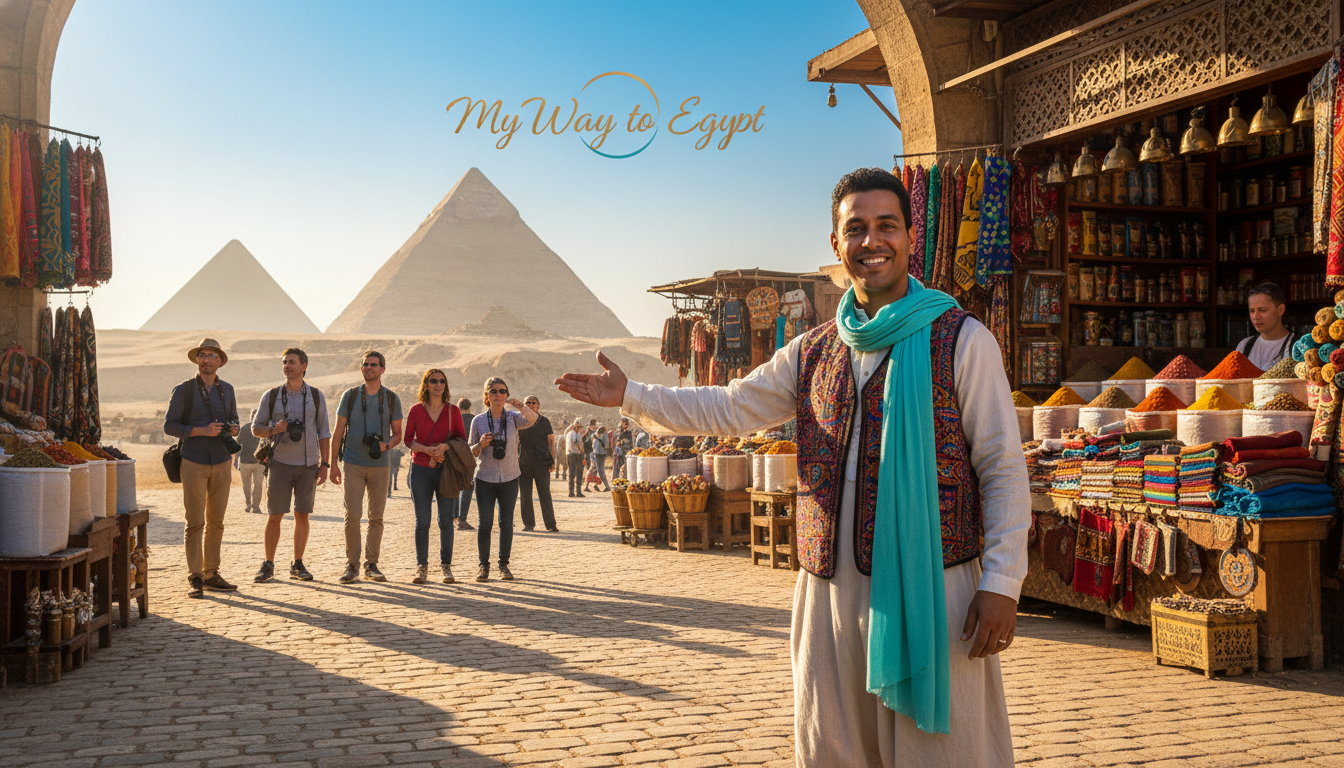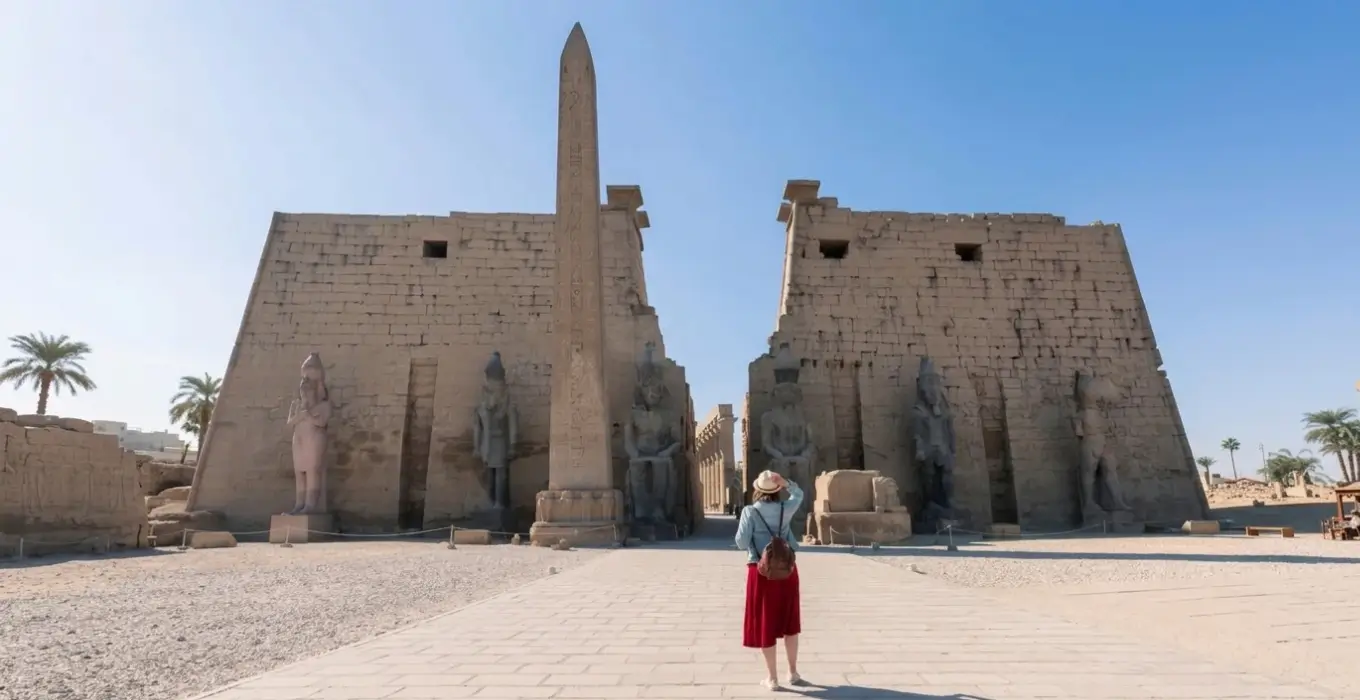

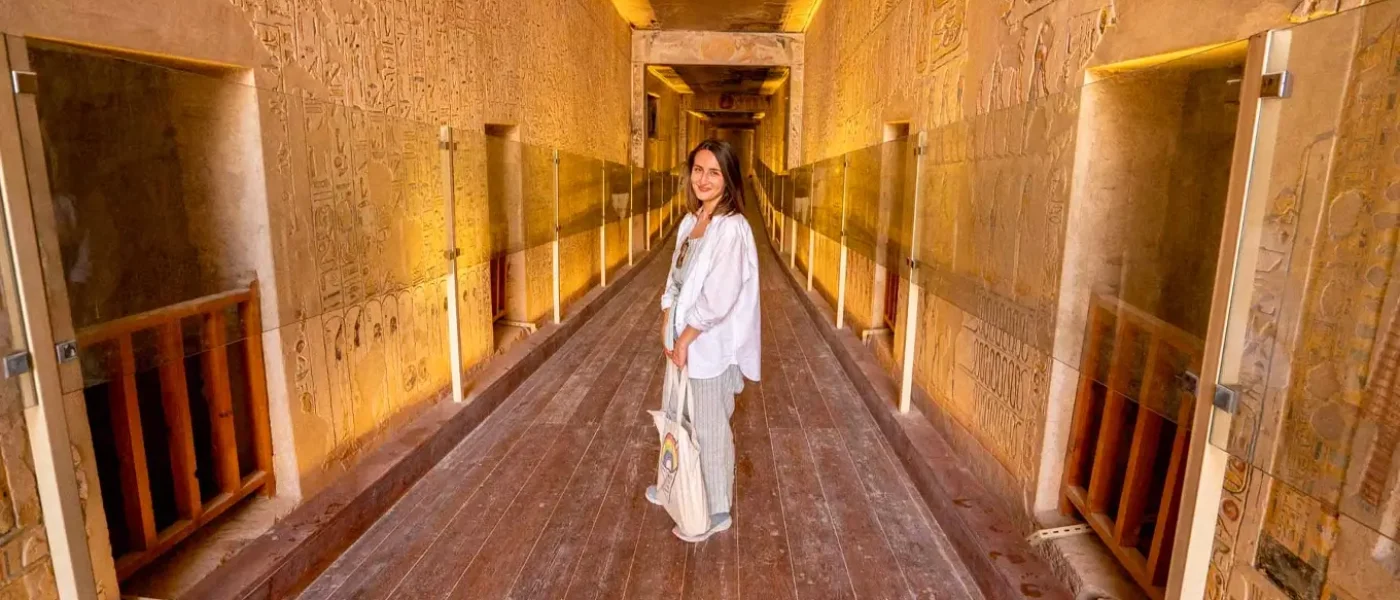
In January, Egypt has cool mornings and warm afternoons, and it’s the busiest time for travelers. Cairo’s high temperatures are about 19°C (66°F), while Luxor and Aswan are a bit warmer at 22°C (72°F). Rain is uncommon. This is the best month for comfortable sightseeing, but it’s also the priciest, so it’s smart to book hotels, guides, and Nile cruises two to three months in advance.
I’ve been guiding travelers in Egypt for 25 years, and January is when I get the most questions. Many people think “winter in Egypt” is like winter at home, but it’s not. You might need a jacket at breakfast in Cairo, but by early afternoon at Karnak, short sleeves are enough. Here’s what I really tell travelers, region by region, with actual prices instead of just saying “budget accordingly.”
Is January a Good Time to Visit Egypt?
Yes, for most travelers, January is the best month to visit Egypt’s ancient sites. The heat that makes walking around Karnak or the Valley of the Kings difficult from April to September is not a problem. You can spend a whole morning at Giza without needing to find shade every twenty minutes, and the decks on Nile cruises are comfortable during the day.
The downside is that January can be crowded and expensive. It lines up with winter breaks in Europe and North America, making it Egypt’s busiest season. Hotel prices, guide fees, and cruise cabins are at their highest, and the most popular sites are busiest from 9 am to noon. If comfort is more important to you than cost, January is a great choice. But if saving money matters more than avoiding crowds, June or September might be better for you.
Egypt Weather in January, Region by Region
One common mistake people make when planning a trip is trying to sum up “Egypt weather in January” with a single number. Egypt stretches almost 1,200 kilometers from north to south, and the climate changes a lot along the way.
| Region | Daytime High | Overnight Low | What to Expect |
|---|---|---|---|
| Cairo & Giza | 19°C (66°F) | 10°C (50°F) | Cool mornings, mild afternoons, occasional light rain |
| Luxor | 22°C (72°F) | 7°C (45°F) | Sunnier and drier than Cairo, cold after sunset |
| Aswan | 24°C (75°F) | 9°C (48°F) | Warm by day on the Nile, sharp temperature drop at night |
| Hurghada (Red Sea) | 21°C (70°F) | 13°C (55°F) | Mild, wind-dependent comfort, water still swimmable |
| Sharm El Sheikh | 22°C (72°F) | 13°C (55°F) | Similar to Hurghada, slightly more sheltered bays |
Rain is rare in most places except for Cairo and the northern coast, where it usually only means a light shower. With about 10.5 hours of daylight, you have plenty of time to explore a whole site without feeling rushed before sunset.
What to Pack for Egypt in January
The most common packing mistake I notice is that people bring only warm clothes because they see the word “winter,” or just sunscreen because they see “Egypt.” You actually need both, every day.
Pack:
- A light-to-medium jacket or fleece for mornings and evenings
- Breathable layers for midday (Luxor and Aswan warm up fast)
- Comfortable closed-toe walking shoes are important because temple floors and the paths in the Valley of the Kings can be uneven.
- Sunscreen and sunglasses (the winter sun is stronger than it feels)
- A scarf or shawl for mosque and church visits
- Modest clothing (shoulders and knees covered) for religious sites and more conservative areas outside tourist zones
If you plan to visit Hurghada or Sharm El Sheikh, pack a swimsuit. The water is usually around 22 to 23°C (72 to 73°F) in January, which most people find comfortable for swimming. If you want to snorkel for a long time, a wetsuit top can help.
Egypt in January Prices: What Things Actually Cost
This is the part most guides skip. Here’s what I currently tell travelers to budget, in EGP and USD.
| Item | Price (EGP) | Approx. USD |
|---|---|---|
| Giza Plateau general entry (foreign adult) | 700 EGP | ~$14 |
| Great Pyramid interior access (additional) | 1,000–1,500 EGP | ~$20–30 |
| Egyptian Museum, Tahrir Square | ~550 EGP | ~$11 |
| Grand Egyptian Museum (GEM), general admission | ~1,450 EGP | ~$29 |
| Mid-range Cairo hotel, per night (January) | — | $77–150 |
| Nile cruise, 4 nights, budget ship | — | $440–650 |
| Nile cruise, 4 nights, deluxe ship | — | $650–1,000 |
| Nile cruise, 4 nights, luxury ship | — | $1,000+ |
| Private full-day Cairo guide + car | — | $80–150 |
Here are a few things to keep in mind about these numbers. Hotel rates in Cairo are much higher in January than at other times of the year. This is the most expensive month to book, so I recommend reserving your accommodation as early as you can. Entry tickets are listed in Egyptian pounds (EGP), and the prices change more often than most travel websites update them.
Trust the EGP prices, and use the USD conversions only as a rough guide. When paying entrance fees or buying from small vendors, use Egyptian pounds. If someone at a market stall offers to take dollars or euros, they are usually giving you a worse exchange rate.
Festivals and Events in Egypt in January
- Coptic Christmas (January 7): Egypt’s Coptic Orthodox community celebrates Christmas according to the Julian calendar, with midnight mass at churches including the Hanging Church and St. Mark’s Cathedral in Cairo, followed by family meals featuring kahk (filled butter cookies) and fatta.
- Cairo International Book Fair: Usually held in late January, this is one of the biggest book fairs in the Arab world and attracts many local visitors. It’s a great choice if you want a cultural experience beyond the usual tourist spots, but be prepared for heavy traffic near the Fairgrounds.
One thing to note: several travel sites list the Abu Simbel Sun Festival as a January event, but that’s not correct. The sun alignment actually happens twice a year, on February 22 and October 22, when sunlight reaches the inner sanctuary and lights up three of the four statues. If you want to see this event, January is not the right month. Plan your trip for one of those two dates instead.
Nile Cruises in January: Worth It?
Yes, and January might be the best month for a cruise. The weather is comfortable during the day, and you’ll sail between Luxor, Edfu, Kom Ombo, and Aswan in good light. The sites along the way, like Karnak, the Valley of the Kings, and Philae Temple, are also easier to explore since you won’t have to deal with intense heat.
The trade-off is that January is peak cruise season, so you should book at least 6 to 8 weeks in advance if you want a specific ship or cabin type. Expect the cruises to be fuller than usual. Evenings on deck can get cold, so bring a jacket, even if the ship’s photos make it look like a summer trip.
How to Avoid Overpriced Tours and Scams in January
Egypt’s tourism industry relies on commissions, and during January’s busy season, you’ll see even more of these arrangements. For example, some cheap tours include “free” perfume shop visits, and unlicensed guides often wait outside attractions, offering to “help” for a fee that is actually just a markup.
Here are a few tips I always share with travelers I guide:
- Book guides through a licensed agency or check their Ministry of Tourism guide ID directly. Real Egyptologist guides always have this ID.
- If a tour price is much lower than others for the same itinerary, it probably includes a hidden shopping stop that increases the guide’s earnings at your expense.
- At Khan El Khalili and other markets, prices are almost always negotiable. Vendors usually start with offers that are two or three times higher than a fair price, and it is completely normal to haggle respectfully.
- Whenever possible, pay entrance fees in Egyptian pounds directly at the official ticket windows. Offers to “skip the line” from people outside the gate are usually just unnecessary markups on tickets you can easily buy yourself.
What’s Overrated in January (and What to Skip)
Just because something is popular doesn’t mean it’s worth waiting in line for. Here are a few honest opinions:
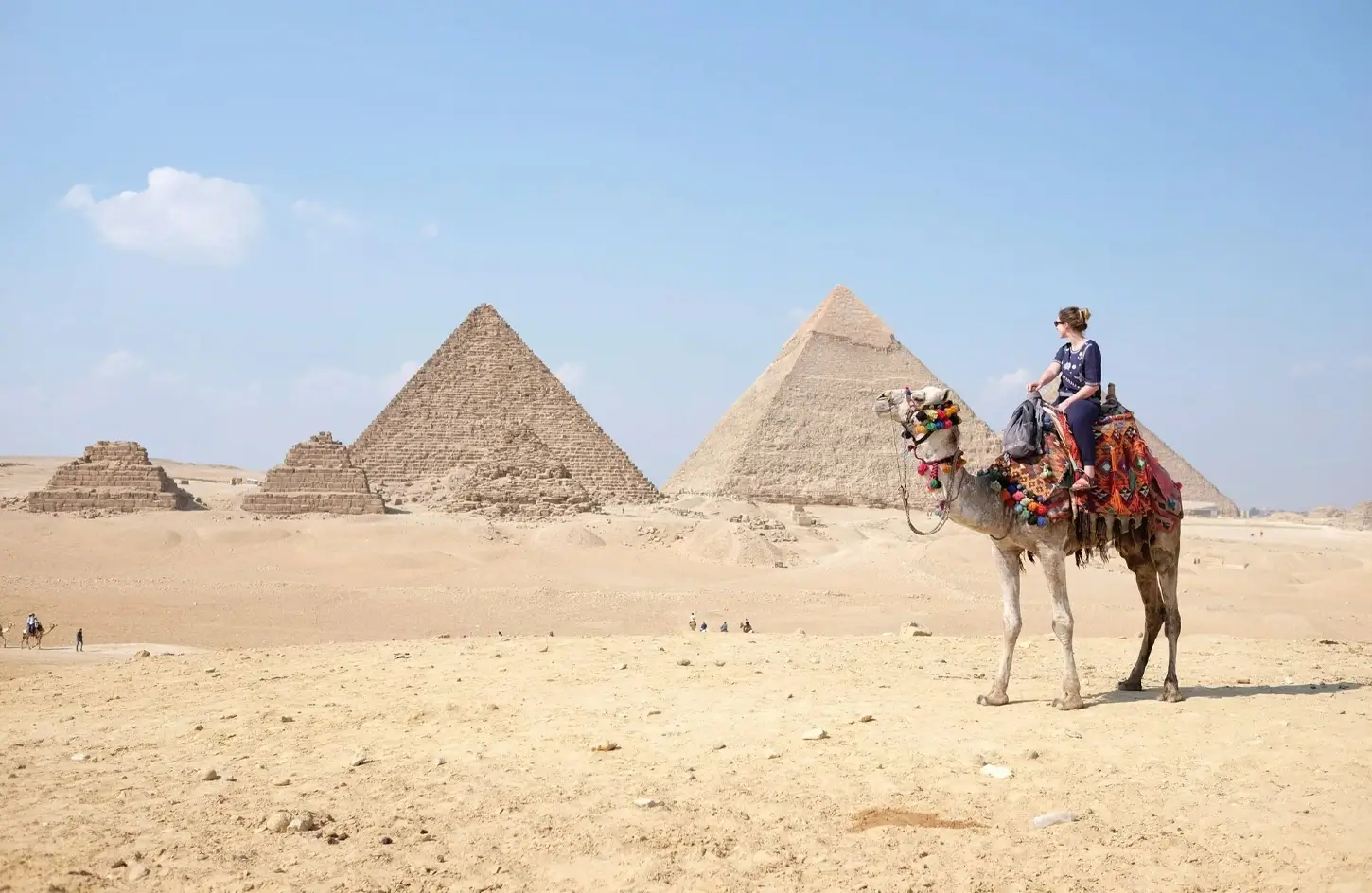
- Camel rides at the main Giza entrance cost too much, and the guides often try to upsell you while you’re riding. If you want that classic photo, book with a trusted operator ahead of time and agree on the price before you go.
- In January, the main viewing area for sunset at the Pyramids gets really crowded. If you care about your photos, try the panoramic viewpoint a bit farther away. You’ll get a similar shot with far fewer people around.
- Trying to squeeze a one-night Red Sea stop into a Cairo, Luxor, and Aswan trip usually isn’t worth it. If you have more than 10 days, spending three nights in Hurghada or Sharm is a better idea. On a shorter trip, it just means a stressful travel day.
Frequently Asked Questions
Is Egypt cold in January?
Compared to winters in the northern hemisphere, Egypt isn’t cold, but it does get cool, especially in the mornings and evenings. In Cairo, temperatures can drop to about 10°C (50°F), and in Luxor and Aswan, it can get even colder at night, though the days are usually pleasantly warm. It’s better to bring layers instead of a single heavy coat.
Is January too crowded to visit Egypt?
January is the busiest month in Egypt, so places like Giza and Karnak get crowded from mid-morning to early afternoon. If you arrive right when the sites open, before most guided tours begin, you’ll notice a big difference. I usually bring my groups within 30 minutes of opening whenever possible.
How many days do I need for Egypt in January?
You can see Cairo and the Nile in about 8 to 10 days. If you want to include time at the Red Sea and not feel rushed, plan for 12 to 14 days in total.
Can I swim in the Red Sea in January?
Yes, you can. In Hurghada and Sharm El Sheikh, the water is about 22 to 23°C (72 to 73°F), which most people find comfortable for swimming. Sometimes the wind makes the air feel cooler than the water.
Do I need to book a Nile cruise far in advance for January?
Yes, January is the busiest time for Nile cruises, and the best cabins on popular ships are often booked weeks in advance. If you have a specific ship or route in mind, try to book at least 6 to 8 weeks before your trip.
Is Cairo safe to visit in January?
Cairo’s main tourist areas are busy and generally safe if you take normal precautions. In January, the bigger risk is paying too much to unlicensed guides or at markets, rather than concerns about personal safety.
Final Note from Momo
January is the month I recommend most often, and it’s also when planning ahead really makes a difference. This is true for hotels, cruise cabins, and avoiding the parts of the tourism industry that rush visitors through a set list of stops. I started My Way to Egypt because I wanted to guide people the way I’d want to see my own country: no rushed buses, no scripted stops, just honest advice and a trip focused on what you actually want to see. If you’d like to avoid the guesswork with guides, timing, and prices, that’s exactly what I help travelers with.