

If you’re figuring out what to pack for Egypt, the honest answer is: less than you think, and smarter than you think. Egypt swings from desert heat to genuinely cold desert nights, and the mistakes we see most at the airport arrivals hall aren’t about sunscreen — they’re overpacked suitcases full of clothes and underpacked essentials that actually solve problems on the ground: small cash notes, a working power adapter, a scarf that does three jobs at once. This is the packing list we’d hand a friend before their first trip, built from years of watching what guests actually reach for versus what they packed. If you’re still finalizing your route, our Egypt tour packages cover every region this list is built around, from Cairo Tours to Abu Simbel.
What to Actually Bring: The Non-Negotiables
Before clothes, sort out the things that actually cause problems when they’re missing. This is the core of what to actually bring, regardless of season or itinerary length.
- Passport with at least 6 months’ validity, plus your e-visa or visa on arrival confirmation printed and saved as a photo on your phone.
- Two photocopies (or phone photos) of your passport photo page — keep the original locked in your hotel safe on day-tour days and carry a copy instead.
- US dollars in small, crisp, newer bills (no pre-2006 design, no tears, no writing) — many vendors and even some banks refuse older or damaged notes.
- Egyptian pounds in small denominations (5, 10, 20 LE) for tipping and paid restrooms — you’ll use these more than any other note in your wallet.
- A universal power adapter for Egypt’s Type C/F sockets (220V) — a US-only adapter without the round pins won’t work.
- A portable power bank — long transfer days (Abu Simbel, Alexandria, Fayoum) drain phone batteries fast with GPS and photos running.
- Basic medication kit: rehydration salts, an anti-diarrheal, any prescription meds in original labeled packaging with a spare copy of the prescription.
- A reusable water bottle — most hotels and Nile cruise boats now offer filtered refill stations, and it cuts down on plastic bottle clutter in your bag.
This is also the moment to double-check your travel insurance covers activities like hot air balloon rides or diving if either is on your itinerary — it’s a quick fix now and a real problem later if it isn’t.
Egypt Packing List for Women: Clothing and Extras
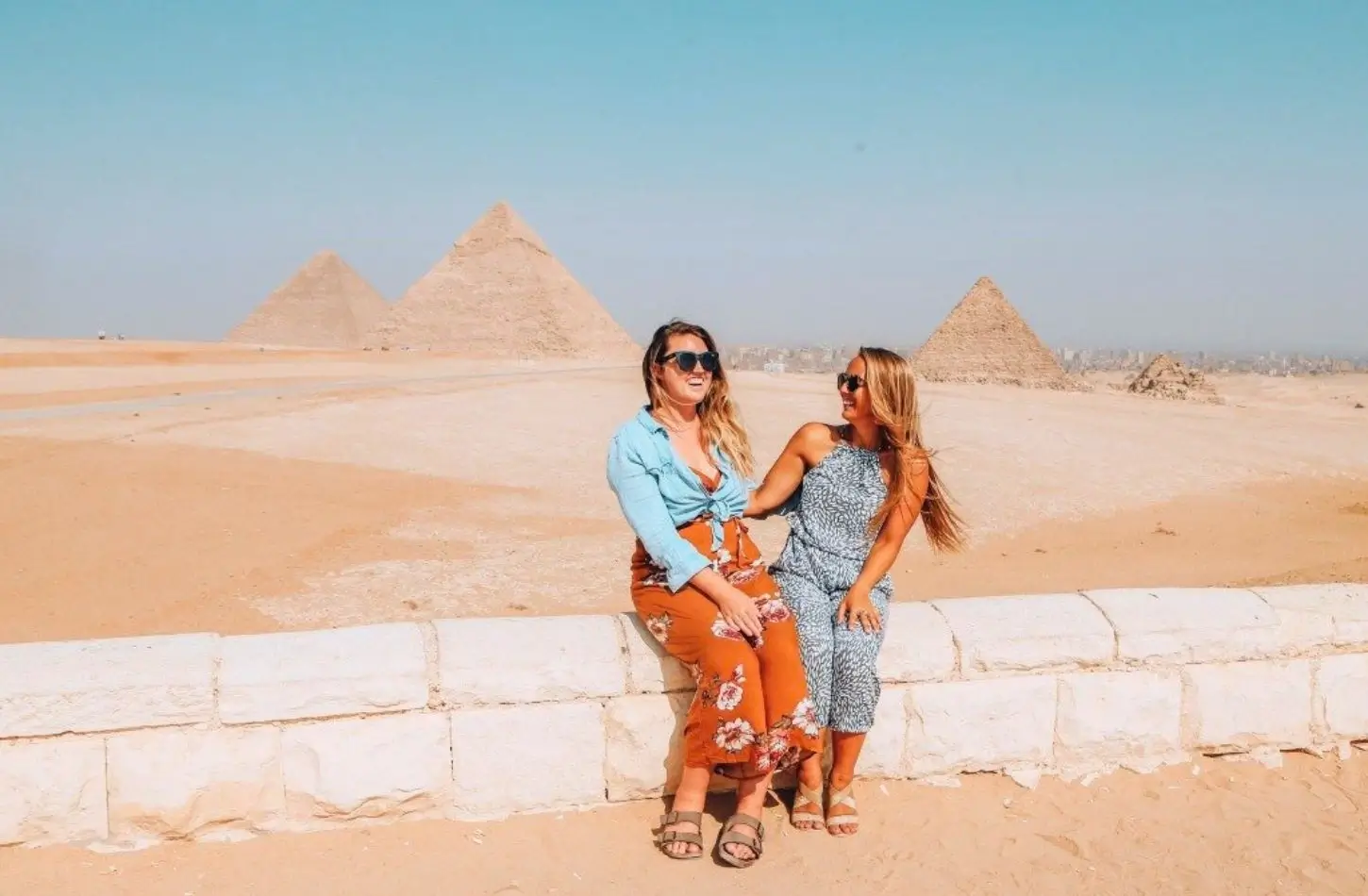
An egypt packing list for women built around comfort first, modesty second — the two aren’t actually in tension once you have the right pieces.
- 2–3 loose maxi dresses or long skirts, plus lightweight long trousers for temple floors and camel rides.
- Tops that cover the shoulder — linen or cotton breathes far better than synthetic blends in Luxor and Aswan heat.
- One or two lightweight scarves — for hair covering at mosques, sun protection at temples, and warmth on cool evenings, all from the same item.
- A modest one-piece or tankini for hotel pools and the Nile cruise sundeck, plus a light cover-up for walking between the pool and your cabin.
- Comfortable closed-toe walking shoes for tombs and temple floors (uneven stone, loose gravel), and separate sandals for evenings.
- Sunglasses, a wide-brimmed hat, and SPF 50 — the sun at Abu Simbel and Karnak is stronger than it looks on an overcast-feeling morning.
- Enough personal hygiene supplies for the full trip if you’re leaving Cairo — pharmacies exist everywhere, but your specific brand may not.
For a deeper dive into dress-code nuance by location — mosques versus markets versus the cruise sundeck — our full guide on what to wear in Egypt covers the cultural detail this checklist doesn’t.
Egypt Packing List for Men: Clothing and Extras
The egypt packing list for men mistake we see most is shorts-only packing — fine at the Red Sea, not ideal for temples or rural stops.
- Lightweight long trousers (linen or cotton blend) as your default — cooler than they look, and the practical choice for mosques, villages, and most temple visits.
- A few breathable short-sleeve shirts, plus one long-sleeve option for sun protection on longer walking days.
- A light sweater or zip-up for winter evenings — Aswan and Luxor nights can drop to 10°C (50°F) between December and February.
- Closed-toe shoes with real grip for temple stone and desert sand, plus sandals for the hotel and evenings.
- Swim trunks for the pool, Nile cruise sundeck, or Red Sea extension — nothing more formal is expected.
- Sunglasses, a cap or hat, and sunscreen — this is the item men underpack most often in our experience, and the one they regret skipping by day three.
Packing a Daily Bag for Egypt Day Tour
Your suitcase stays at the hotel. What matters every single day is packing a daily bag for Egypt day tour stops — a separate, smaller kit for whatever you’re doing that day, whether it’s the Giza Plateau or a full-day trip to Abu Simbel.
- A frozen or well-insulated water bottle (freezing it overnight keeps it cold through a hot morning at the pyramids).
- Sunscreen, a small pack of wet wipes, and hand sanitizer — restrooms at sites are inconsistent.
- Phone plus a charged power bank — you’ll be taking more photos than you expect, and battery drops fast in the heat.
- Small Egyptian pound notes for tips and paid restrooms — nothing bigger than 20 LE, since change is rarely offered.
- A photocopy of your passport, not the original, for security checkpoints at major sites.
- A light scarf and sun hat, foldable enough to fit in a small bag without adding bulk.
- Snacks for long transfer days — the drive to Abu Simbel from Aswan or to Alexandria from Cairo runs several hours each way with limited stops.
A cross-body bag or small daypack works better than a backpack you have to take fully off at every checkpoint. If a long desert day trip or overnight excursion is part of your plan, our Egypt desert safari tours and Abu Simbel day trips are built around exactly this kind of packing.
Packing by Season: What Actually Changes
Egypt packing list shifts more by season than most travelers expect, and it’s rarely about adding more — it’s about swapping what’s in the bag.
- October–April (peak season): daytime is comfortable, but evenings genuinely get cold, especially in Aswan and Luxor. Pack a light jacket or fleece you can layer on and off.
- May–September (low season): expect 40°C+ (104°F+) in Luxor and Aswan. Prioritize moisture-wicking fabrics, a cooling towel, and drinking water constantly rather than adding layers you won’t need.
- Ramadan (dates shift yearly — check before you travel): pack modestly as always, and be mindful about eating or drinking in public during fasting hours out of respect, even though you as a visitor aren’t required to fast.
- August 2027 total solar eclipse: if your trip is timed around it, pack for both extreme summer heat and heavier crowds at Luxor sites — solar viewing glasses and extra battery power for cameras are worth adding to the list. Our Top Egypt Solar Eclipse Tours 2027 have full timing and route details.
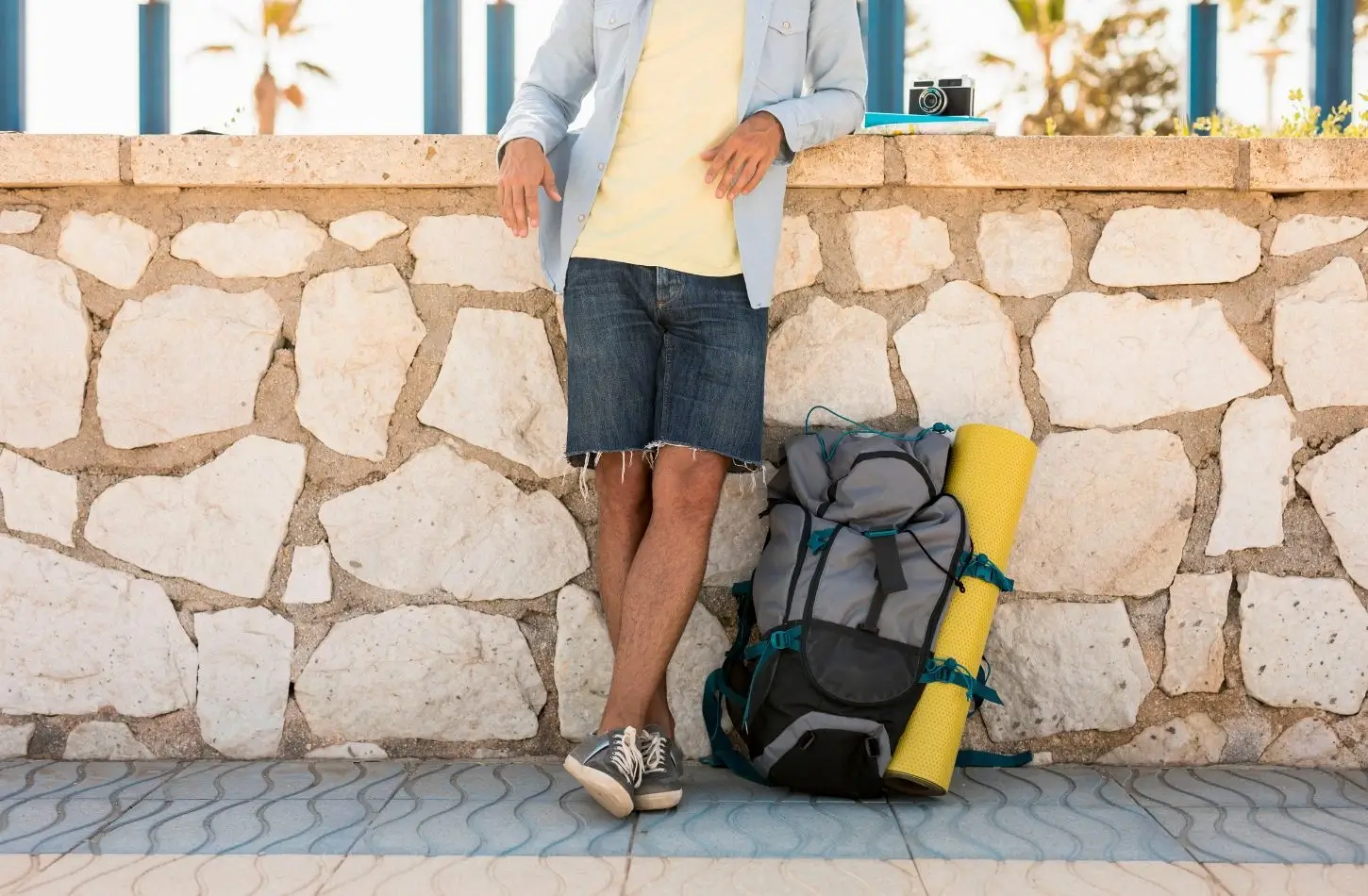
What NOT to Pack
- Overpacking is the more common mistake than underpacking, and it’s almost always the same handful of items.
- Heavy denim jeans — hot, slow to dry, and not necessary given how well lightweight trousers perform.
- More than two pairs of shoes — one closed-toe walking shoe and one sandal covers every itinerary.
- Valuable jewelry or anything you’d hate to lose in a market crowd.
- A hardcover guidebook — the weight isn’t worth it when your guide is doing the narrating.
- High heels — cobblestone streets and temple gravel make them impractical rather than stylish.
- A full toiletry kit for a two-week trip — pharmacies in Cairo, Luxor, and Aswan carry the basics, often cheaper than at home.
Nile Cruise and Red Sea Extension: What’s Different
- If your trip includes a Nile cruise or a Red Sea stop, adjust the list slightly rather than adding a second suitcase.
- Nile cruise: swimwear for the sundeck, one slightly dressier outfit for the captain’s dinner, and a light layer for the air-conditioned cabin — cabins run cooler than the deck.
- Red Sea (Hurghada, Marsa Alam, Sharm El Sheikh): dress code is far more relaxed. Bring reef-safe sunscreen, water shoes for rocky beach entries, and your own snorkel gear if you have a preferred fit — rentals are widely available too.
Our Nile cruise itineraries and Hurghada day tours both list exactly what’s included on board, which makes final packing decisions easier once you know your route.
FAQS
What is the dress code for female travelers in Egypt?
While there is no legal dress code for tourists, Egypt is a conservative country. Women should aim to cover their shoulders, cleavage, and knees when exploring cities like Cairo or ancient archaeological sites. Loose-fitting maxi skirts, linen trousers, and breathable t-shirts are ideal. You do not need to cover your head on the street, but you must pack a lightweight scarf or shawl to cover your hair and arms when entering mosques. Tight or revealing clothing is best reserved strictly for beach resorts along the Red Sea.
Can you wear shorts and tank tops in Egypt?
Shorts and tank tops are completely fine at private beach resorts in Hurghada or Sharm El Sheikh, and poolside at hotels. However, wearing them while sightseeing at the Pyramids, historic temples, or local markets is not recommended. For men, knee-length shorts are generally acceptable at major tourist spots, but trousers are more appropriate in cities. For women, wearing shorts or tank tops outside of resorts can draw unwanted attention and may restrict access to religious landmarks.
What kind of shoes should I pack for an Egypt trip?
You should limit yourself to 2–3 pairs of shoes, focusing strictly on comfort and terrain. Pack one pair of sturdy, broken-in sneakers for walking on the dusty, uneven ground of archaeological sites. Avoid bringing white sneakers, as the desert dust will stain them permanently; darker colors are best. Additionally, bring a pair of supportive walking sandals (like Birkenstocks) for hot days, and flip-flops if you plan to visit hotel pools or the Red Sea coast. Leave high heels at home.
What should I pack for Egypt’s weather in the winter vs. summer?
- Summer (May to September): Pack ultralight, loose clothing made from natural fibers like cotton and linen. Synthetic fabrics like polyester trap sweat and should be avoided.
- Winter (November to February): The desert climate means days are pleasantly warm (around 20°C / 68°F), but early mornings and nights drop significantly, especially on Nile cruises or in the desert. You must pack layers, including long-sleeved shirts, jeans, a cardigan, and a light windproof jacket.
What unique or unexpected items should be on an Egypt packing list?
Beyond clothing, several travel essentials are frequently forgotten:
- Tissues and wet wipes: Public restrooms frequently lack toilet paper, and attendants may charge a small fee for a few squares. Keep your own packs in your day bag.
- Hand sanitizer: You will be handling a lot of paper cash tips (baksheesh), and handwashing stations are not always readily available at ancient sites.
- Hydration/Electrolyte powders: The intense heat drains your energy quickly. Mixing electrolytes into your daily water bottle helps prevent heat exhaustion.
- A portable power bank: Long days of taking photos and navigating will drain your phone battery quickly.
Are there any items that are legally banned from being packed into Egypt?
Yes. Drones are strictly illegal in Egypt for civilian use and will be permanently confiscated by customs at the airport if found in your luggage. Satellite communication devices, walkie-talkies, and large professional video gear may also face extreme scrutiny or confiscation without prior government permits. Always stick to standard smartphones and consumer cameras.
CONCLUSION
A good Egypt packing list isn’t about bringing more — it’s about bringing the handful of things that actually get used every day: small cash, a working adapter, one reliable pair of shoes, and a day bag that’s ready before you are. Get those right, and the rest of the trip takes care of itself. If you’re still building your itinerary around this list, browse our Egypt tour packages or reach out to customize a private tour built around exactly the cities and pace you want.