Is February a good time to visit Egypt?
Yes. Days are dry and mild (19–26°C), with cold dawns.
Dress for 6 a.m., not noon.
Ramadan starts around 8 February; sites stay open.
Book Abu Simbel and cruises early for 22 February.
Arrive at sites at opening to beat the crowds.
Egypt in February is cool, dry, and high season: 19–21°C (66–70°F) in Cairo, 24–26°C (75–79°F) in Luxor and Aswan, and almost no rain south of the Delta. That makes it a prime month for a private Egypt tour package or a Nile cruise without the heat that shortens summer sightseeing days.
The 2027 twist is timing: Ramadan is expected to begin around 8 February, so most of the month falls inside it. It is the month for people who plan around temples, not tans. This guide covers what Ramadan changes, weather city by city, the Abu Simbel Sun Festival on 22 February, what to pack, and how to build a route that works.
Is February a Good Time to Visit Egypt?
Yes, if you measure a trip in temples and tombs rather than beach hours. February gives you what July can’t: a full day at Karnak, the Valley of the Kings or Giza without retreating to the hotel at noon. Skies are clear, the air is dry, and the low winter sun flatters every photograph. If your plan centers on Luxor tours and Aswan tours, this is prime time.
It isn’t flawless. Dawn on a Nile deck or in the desert is properly cold, the Mediterranean coast at Alexandria is too chilly for swimming, and the Red Sea is refreshing rather than warm. Mid-February half-term weeks in Europe and North America also lift demand for family departures, so the “quiet season” label is only half true.
February suits sightseers, cruisers, photographers and couples. It suits beach-only travelers less. If you would rather not piece the route together yourself, a tailor-made Egypt tour can be built around your exact dates.
February 2027 Key Dates at a Glance
| Date | What happens | Planning note |
|---|---|---|
| ~8 Feb (Mon) | Ramadan expected to begin | Moon sighting can shift it by a day |
| 14 Feb (Sun) | Valentine’s Day | Book dahabiya cabins and special dinners ahead |
| Mid-Feb | School half-term weeks in many countries | Family departures and flights get busier |
| 22 Feb (Mon) | Abu Simbel Sun Festival | Hotels and flights around Aswan fill early |
| ~8–9 Mar | Ramadan expected to end | Eid al-Fitr follows about 9–10 March |
Egypt Weather in February: City by City
February in Egypt is a story of two temperatures: a warm noon and a cold dawn. Use the table to plan, then pack for the gap between the two columns.
| Destination | Daytime high | Night low | What to expect |
|---|---|---|---|
| Cairo & Giza | 19–21°C (66–70°F) | 9–11°C (48–52°F) | Crisp mornings, a few showery days |
| Alexandria | 17–19°C (63–66°F) | 9–11°C (48–52°F) | Wettest tourist city; sea too cold to swim |
| Luxor | 24–25°C (75–77°F) | 8–9°C (46–48°F) | Dry, sunny, big day-to-night swing |
| Aswan | 25–26°C (77–79°F) | 9–10°C (48–50°F) | Warmest major city, least wind |
| Hurghada, Sharm & Marsa Alam | 22–23°C (72–73°F) | 13–15°C (55–59°F) | Sunny but breezy; sea around 20–22°C (68–72°F) |
| Siwa & White Desert | ~20°C (68°F) | 5–8°C (41–46°F) | Very cold camp nights |
Daylight lasts about 11 hours: sunrise is around 6:30–7:00 a.m. and sunset around 5:30–5:45 p.m., which matters for Giza sunsets and cruise timings. Rain is rare. Cairo sees a handful of showery days, Alexandria a few more, and Luxor and Aswan effectively none. These are long-term averages, so a passing cold front can shave several degrees off for a day or two. For the wider seasonal picture, see our best time to visit Egypt guide
Ramadan in February 2027: What Changes for Visitors
Ramadan 2027 is expected to start around 8 February and end around 8–9 March, with Eid al-Fitr following about 9–10 March. Egypt confirms the start by moon sighting, so dates can shift by a day. Because the lunar calendar moves Ramadan roughly 11 days earlier each year, it will overlap February again in 2028.
You are not expected to fast, and Egypt stays open: temples, museums, cruises and tours all run. What changes is the rhythm of the day:
- Slow local mornings. Many small shops and cafés open late. Tourist sites and hotels work normally.
- Daytime dining. Hotel and tourist restaurants serve as usual, but many small local places close until sunset. Fasting lasts about 12–13 hours in February, so carry water and snacks and eat discreetly.
- Iftar at sunset (about 5:20–5:45 p.m.). Roads clog in the hour before, then empty as families sit down. Finish sightseeing by 4 p.m. and be at your table by sunset.
- Lively nights. Lanterns (fanous) go up, Ramadan tents open, and Khan el-Khalili is at its best after iftar. Evening shows may start later than usual.
- Etiquette. Skip eating, drinking, and smoking on the street in daylight, and dress a little more modestly. Alcohol may be restricted outside hotels.
The upside: daytime sites often feel calmer, and the evenings are a festival most visitors never see. A licensed Egyptologist guide will pace the day around all of it. Confirm the current opening hours before you go, as some venues adjust them throughout the month.
Where to Go in Egypt in February
Every classic stop works in February. The trick is matching each one to the temperature.
Cairo and Giza
Reach the pyramids at opening time, when the plateau is cool and the coaches haven’t arrived, then spend the afternoon at the Grand Egyptian Museum beside it. Evenings turn cold fast, so bring a jacket for the pyramids sound-and-light show. Browse our Cairo tours or the Giza Pyramids and Grand Egyptian Museum tour, and use things to do in Cairo if you are planning it yourself.
Luxor
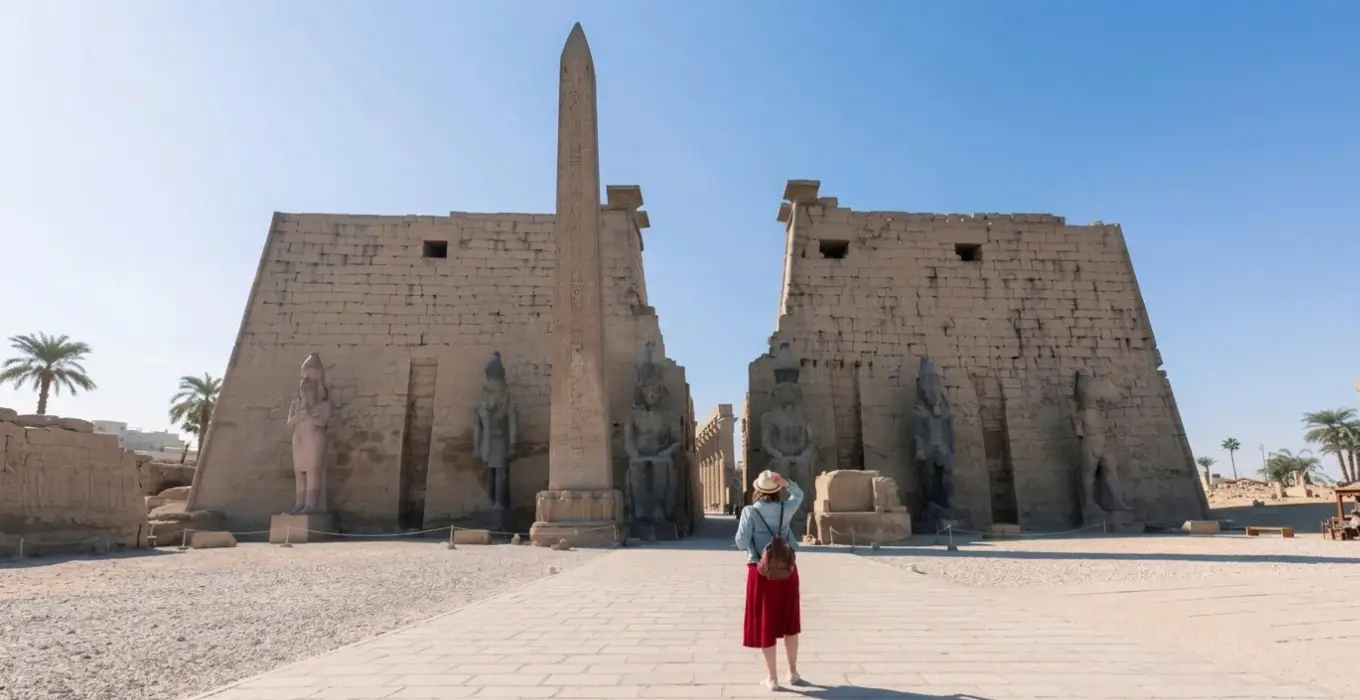
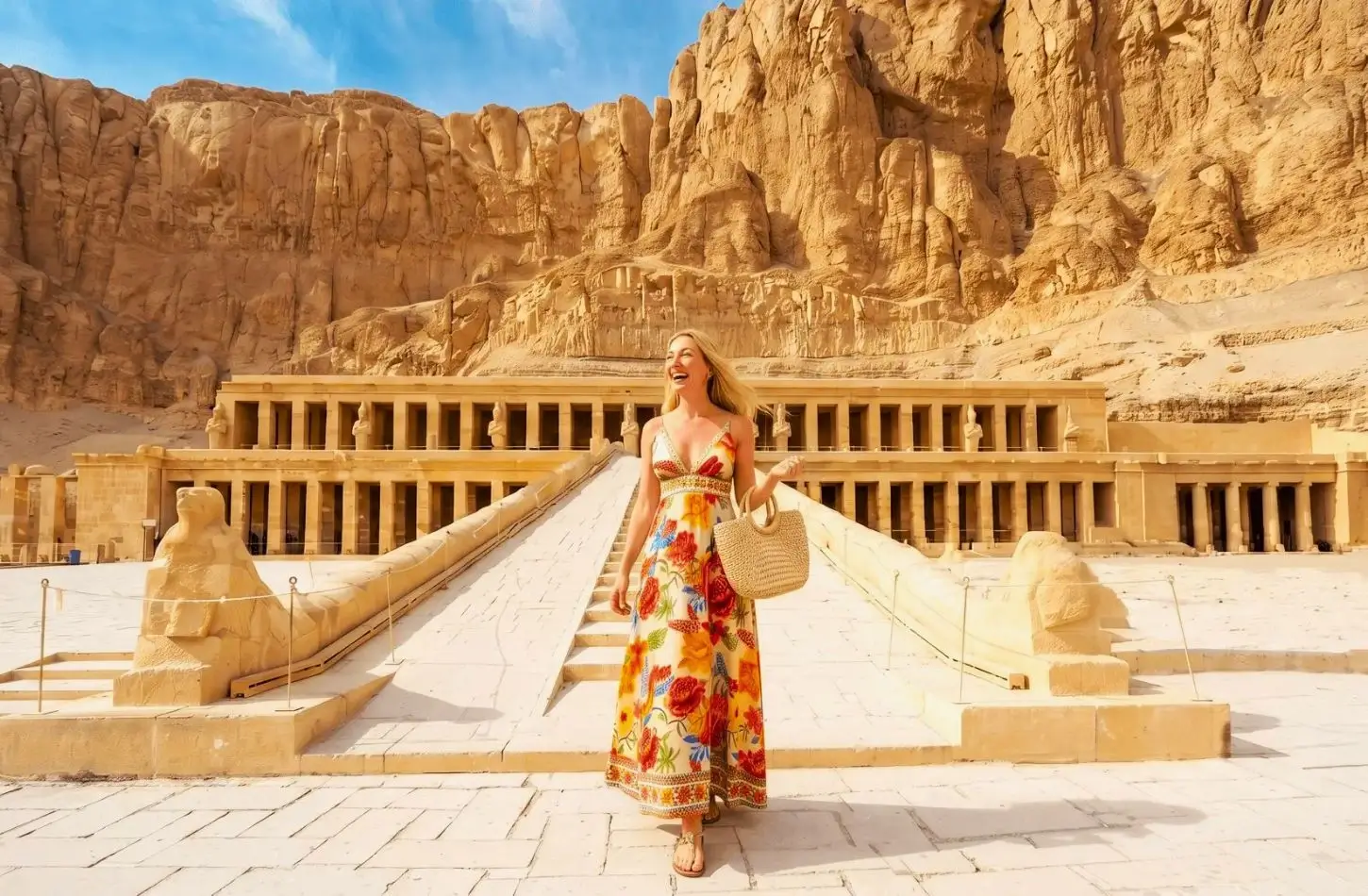
The Valley of the Kings, Hatshepsut Temple and Karnak are all comfortable, so you can add a second temple day rather than cutting one. A sunrise hot air balloon ride over Luxor is cold on the ground and glorious in the air; wear layers and expect wind to cancel some mornings. Plan with things to do in Luxor or book a guided Karnak Temple tour.
Aswan and Abu Simbel
Aswan is the warmest big stop, ideal for Philae Temple, a sunset felucca and the Nubian villages. Abu Simbel is a pre-dawn drive or a short flight away. Start with things to do in Aswan and our Abu Simbel day trip from Aswan.
Red Sea and the Western Desert
Hurghada tours, Sharm El Sheikh tours and Marsa Alam tours suit diving, snorkeling and a rest stretch after the temples. For something wilder, a Black and White Desert trip is a cold-weather camping adventure under a very crowded sky.

Abu Simbel Sun Festival on 22 February
On 22 February (and again on 22 October) the rising sun slides down the Great Temple of Ramses II and lights three of the four statues in the sanctuary: Ramses II, Amun-Ra and Ra-Horakhty. Ptah, the god linked with darkness, stays in shadow. The glow lasts only minutes, and the crowd arrives long before it.
In 2027, 22 February is a Monday, during Ramadan, and the event is unaffected. Because the temple was moved in the 1960s, the alignment is usually cited as falling a day later than in Ramses’ own time.
To be there, base yourself in Aswan and leave around 2 a.m. for the roughly three-hour drive, or fly. Abu Simbel has limited rooms and flights fill up early, so book months ahead, and dress for near 10°C at dawn. The 2-day Aswan and Abu Simbel tour is the simplest way to be in position; ask us to time it for the 22nd.
Nile Cruise in February
February is prime Nile season: sunny days on deck, and temples at Edfu and Kom Ombo you can enjoy rather than endure. Cabins are comfortable, but decks and dining terraces chill quickly after sunset, so keep a warm layer handy. Cruises run normally during Ramadan.
The standard choice is a 4-night Luxor to Aswan cruise; our Luxor to Aswan cruise guide compares tiers. For a small-boat feel, look at a dahabiya Nile cruise. If you are chasing the Sun Festival, choose a sailing that ends in Aswan a day or two before 22 February. Popular February departures fill early.
Can You Swim in Egypt in February?
Yes, but only in the Red Sea, and briskly. Sea temperatures near Sharm El Sheikh and Hurghada sit around 20–22°C (68–72°F) in most sources, closer to 18°C (64°F) in some Hurghada records, so a 3 mm wetsuit or rash vest keeps snorkeling comfortable.
Many resorts heat their pools. Wind can make beach days feel cooler and move boat trips. Try Tiran Island snorkeling from Sharm El Sheikh. The Mediterranean at Alexandria is too cold for swimming.
What to Eat in Egypt in February
Cool weather is when Egyptian comfort food shines. Order steaming koshari, molokhia with rice, or fatta after a cold morning at the temples. Street corners in Cairo and Luxor sell roasted sweet potatoes from smoking carts, and cafés serve sahlab, a hot, milky, cinnamon-topped drink.
During Ramadan, look for qatayef (stuffed pancakes) and konafa at iftar, and expect a drummer to wander some neighborhoods before dawn to wake people for suhoor. Charity iftar tables line some streets, and visitors are occasionally invited to sit down. To eat your way through Cairo with a local, try the traditional Egyptian food tour.
What to Pack for Egypt in February
- Layers, not bulk: short sleeves or linen shirts for midday, plus a fleece or light down jacket for dawn and evening.
- Long trousers or skirts: cooler at temples and more respectful during Ramadan.
- Closed shoes with grip for gravel paths, tomb stairs and Abu Simbel, plus sandals for the hotel.
- A scarf or shawl for sun, dust and mosque visits.
- Sun protection: the UV is strong even at 22°C, so pack SPF 30+, a hat and sunglasses.
- Swimwear and a rash vest for the Red Sea, plus a warm cover-up.
- A daypack with water, snacks, tissues and small bills for tips.
- Desert trips: hat, gloves and a thermal base layer for nights near 5°C (41°F).
For fuller outfit ideas, see what to wear in Egypt.
Crowds, Prices and When to Book
February is still touring season, but calmer than late December and early January. Expect the busiest stretch around mid-month half-term weeks and the Sun Festival on 22 February. During Ramadan, daytime queues at major sites can be shorter and some hotels may discount, so ask.
Book flights and hotels three to four months ahead, and Nile cruises and Abu Simbel logistics earlier. Entrance fees for foreign visitors are revised periodically, so check current rates instead of trusting older blog prices. For budgeting, see Egypt travel cost per day and budget travel tips for Egypt.
February vs January and March
January is the coldest month, and its first week still carries the Christmas and New Year rush. February keeps the winter clarity but adds a few degrees of warmth and thinner crowds after the holiday peak.
March is warmer again, with Cairo often reaching the mid-20s°C (mid-70s°F) and the first dusty khamsin winds possible in some years. If you want the widest sightseeing comfort without the year-end crowds, February is the sweet spot, provided Ramadan’s rhythm suits you.
Sample February Routes
- 7 days, temples and Nile: Cairo, then Luxor and Aswan by cruise. See the 7-day Cairo, Luxor and Aswan Nile cruise package and our 7-day Egypt itinerary.
- 10 days, classic plus rest: Cairo, a Nile cruise, then a few Red Sea days. Full breakdown in the 10-day Egypt itinerary.
- Sun Festival route: Cairo, Luxor, then a cruise ending in Aswan before 22 February.
- Couples: a dahabiya or sunset felucca suits the week around 14 February. See Egypt honeymoon packages.
Realistic transfers: Cairo to Luxor is about one hour by air, Luxor to Aswan about an hour by car or train, Cairo to Aswan about 1.5 hours by air, and Aswan to Abu Simbel roughly three hours by road or 45 minutes by air.
February for Families and Solo Travelers
Families gain the most from February’s mild afternoons: children can handle a full morning at Giza or Karnak without heat fatigue. Book around half-term weeks and keep temple days short and varied; our Egypt family tours with kids guide shows what works.
Solo travelers should remember that it is dark by about 6 p.m. Arrange evening transport in advance, and read our Egypt solo female travel guide for practical safety habits.
Practical Tips for Visiting Egypt in February
- Start early. Arrive at opening time at Giza, Karnak and the Valley of the Kings to beat both the tour buses and the afternoon rush.
- Dress for 6 a.m., not noon. Balloon flights and sunrise starts are 8–10°C colder than the midday forecast.
- Plan Ramadan afternoons as rest time and save Khan el-Khalili for after iftar.
- Book Abu Simbel, balloons and cruises early, especially around the 22nd.
- Sip constantly. Cool air hides how dry it is.
- Shoot at golden hour. With sunset near 5:30 p.m., the best temple light comes between 4:00 and 5:30 p.m.
- Check entry rules on Egypt visa on arrival before you fly.
- First time here? Our first-time Egypt travel tips and Egypt safety guide cover the rest.
Egypt in February: Frequently Asked Questions
Is February a good time to visit Egypt?
Yes, February is one of the best months to visit Egypt for sightseeing. Days are dry and comfortable, about 19–21°C (66–70°F) in Cairo and 24–26°C (75–79°F) in Luxor and Aswan, with cold mornings and evenings. The trade-offs are cool Red Sea water, chilly desert nights and, in 2027, Ramadan beginning around 8 February.
What is the weather like in Egypt in February?
Egypt’s February weather is mild, sunny and mostly dry. Cairo and Alexandria run cooler with a few showery days, while Luxor, Aswan and Abu Simbel are warmer and rain-free. Nights fall to 8–11°C (46–52°F) along the Nile and 5–8°C (41–46°F) in the desert, so layers matter more than shorts.
Is Egypt crowded in February?
February is still touring season but calmer than late December and early January. Crowds build during mid-month half-term weeks and around the Abu Simbel Sun Festival on 22 February. Visiting Giza, Karnak and the Valley of the Kings at opening time avoids the tour-bus wave.
Can you swim in Egypt in February?
You can swim in the Red Sea at Hurghada, Sharm El Sheikh and Marsa Alam, where the water is roughly 20–22°C (68–72°F). It feels brisk, so many visitors wear a 3 mm wetsuit or rash vest for snorkeling. Heated resort pools are common. The Mediterranean at Alexandria is too cold for swimming.
What should I wear in Egypt in February?
Wear layers: light tops for midday and a fleece or jacket for early mornings and evenings. Choose long trousers or skirts for temples, closed shoes with grip, and sun protection. During Ramadan, keeping shoulders and knees covered in public is a considerate default.
Is it OK to visit Egypt during Ramadan in February 2027?
Yes. Ramadan 2027 is expected to begin around 8 February, and Egypt stays open to visitors. Sites, hotels, Nile cruises and tours run as normal. Expect late local mornings, some small daytime restaurants closed, busy roads before sunset and lively evenings. Avoid eating or drinking openly on the street in daylight.
Plan Your February Trip
Egypt in February rewards travelers who plan around two temperature bands and one lunar calendar: early starts, warm layers, long temple days, and evenings built around iftar.
Whether you want the Sun Festival at Abu Simbel, a Nile cruise, or a Red Sea rest after Cairo and Luxor, the month works best with a route timed to your dates. Browse our Egypt tour packages, or send us your dates and we will shape a custom Egypt tour around February’s weather and Ramadan timing.