Egypt remains one of the most captivating destinations on Earth, drawing millions of visitors each year to experience monuments that have stood for millennia. The wonders of Egypt extend far beyond the familiar silhouette of the Great Pyramid-they encompass vast temple complexes, hidden tombs, mysterious hieroglyphs, and archaeological discoveries that continue to reshape our understanding of human civilisation. From the moment you set foot in Cairo to the tranquil beauty of Aswan, every corner of this ancient land tells a story of innovation, ambition, and extraordinary achievement. Whether you're exploring the Valley of the Kings with an expert Egyptologist or sailing past riverside temples on a Nile cruise, the scale and artistry of these monuments never fails to inspire wonder.
The Pyramids of Giza: Icons of Ancient Engineering
The Great Pyramid of Khufu stands as the sole surviving member of the Seven Wonders of the Ancient World, and for good reason. Built approximately 4,500 years ago, this colossal structure contains roughly 2.3 million limestone blocks, each weighing an average of 2.5 tonnes. The precision of its construction continues to astound researchers-its base is level to within just 2.1 centimetres, and the sides are aligned almost perfectly with the cardinal directions.
Recent scientific discoveries have deepened the mystery surrounding these monuments. Using muon radiography, scientists identified a large void inside Khufu’s Pyramid, demonstrating that even the most studied monument still holds secrets. The neighbouring pyramids of Khafre and Menkaure, along with the enigmatic Great Sphinx, form a necropolis that represents the pinnacle of Old Kingdom achievement.
How the Pyramids Were Built
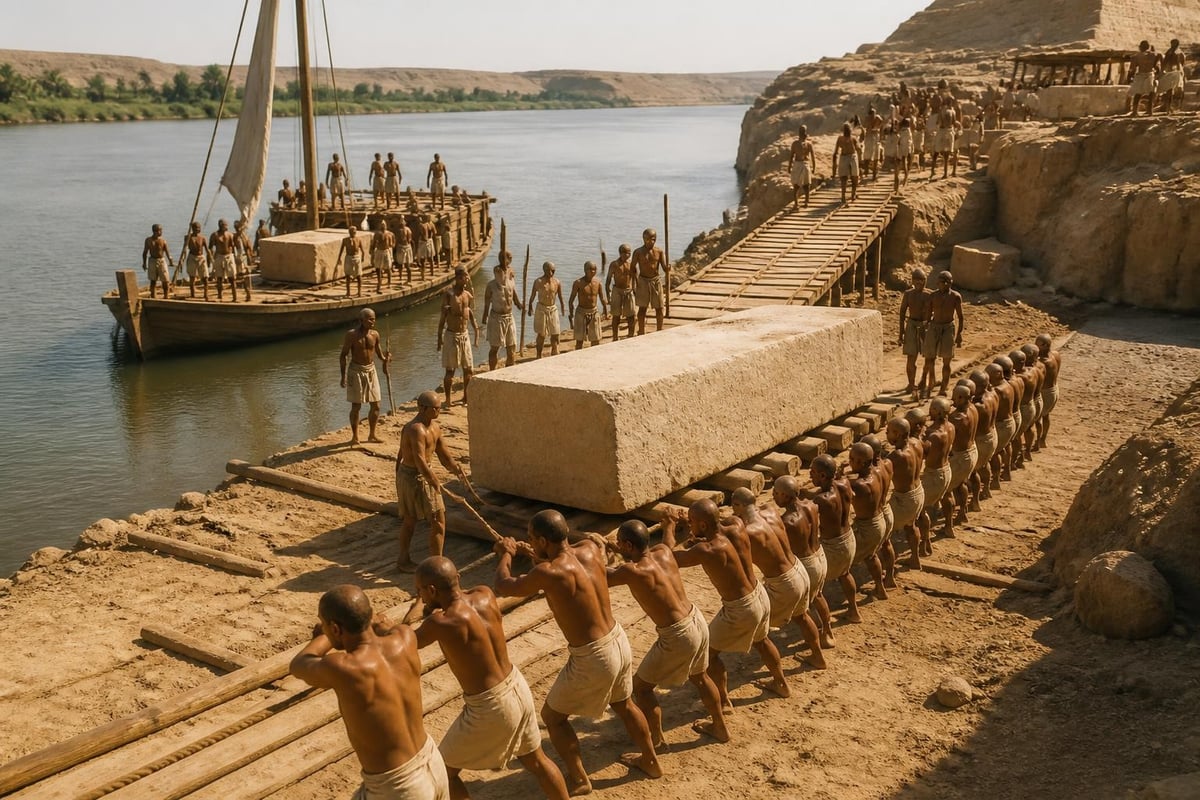
Decades of archaeological work have revealed much about pyramid construction, though debate continues. Evidence suggests the ancient Egyptians employed:
- Internal and external ramp systems to raise blocks to increasing heights
- Copper tools and wooden sledges for cutting and moving stone
- Seasonal labour forces during the Nile's flood season when farming was impossible
- Sophisticated surveying techniques using the stars and simple tools
Recent research indicates hydraulic systems may have been used at Saqqara's stepped pyramid, suggesting the Egyptians had a far more advanced understanding of engineering than previously believed. The discovery of an ancient waterway beside the pyramids has also transformed our understanding of how materials were transported to construction sites.
Luxor: The World's Greatest Open-Air Museum
When you visit Luxor, you walk through what was once Thebes, the glorious capital of New Kingdom Egypt. The concentration of temples, tombs, and monuments here is unparalleled anywhere else on Earth. The wonders of Egypt reach their zenith in this city where pharaohs built some of humanity's most ambitious architectural achievements.
The Karnak Temple Complex spans over 100 hectares and represents 2,000 years of construction and modification. Its Great Hypostyle Hall contains 134 massive columns, some reaching 21 metres in height, creating a forest of stone that demonstrates the power and resources of Egypt's god-kings. Walking through these columns at sunrise or sunset offers an experience that connects visitors directly with ancient grandeur.
Valley of the Kings and Royal Tombs
Across the Nile on Luxor's west bank lies the Valley of the Kings, where 63 tombs have been discovered to date. The Tomb of Tutankhamun, whilst relatively modest in size, yielded the most spectacular treasure trove ever found in Egypt when Howard Carter opened it in 1922.
The valley's other tombs, including those of Ramses VI, Seti I, and Thutmose III, feature elaborate decorations depicting the journey through the afterlife. The colours remain vivid after millennia, protected by the dry climate and limestone rock. Each tomb tells a unique story through its artwork, architecture, and inscriptions.
| Tomb | Pharaoh | Dynasty | Notable Features |
|---|---|---|---|
| KV62 | Tutankhamun | 18th | Intact treasure, golden mask |
| KV9 | Ramses VI | 20th | Astronomical ceiling, vivid colours |
| KV17 | Seti I | 19th | Longest tomb, intricate reliefs |
| KV34 | Thutmose III | 18th | Cartouche-shaped chamber |
Exploring things to do in Luxor reveals that beyond the famous sites, lesser-known temples like Medinet Habu and the Ramesseum offer equally impressive experiences with fewer crowds.
Abu Simbel: Ramses II's Monument to Power
Four hours south of Aswan sits one of the wonders of Egypt that leaves every visitor speechless: the Great Temple of Abu Simbel. Ramses II ordered this temple carved directly into a mountainside in the 13th century BCE. Four colossal statues of the pharaoh, each 20 metres tall, guard the entrance and dominate the landscape beside Lake Nasser.
The interior halls extend 56 metres into the mountain, culminating in a sanctuary where Ramses sits amongst the gods. Twice yearly, on 22 February and 22 October, sunlight penetrates deep into the temple to illuminate the statues of Ramses and Amun-Ra, demonstrating the astronomical precision of ancient Egyptian architects.
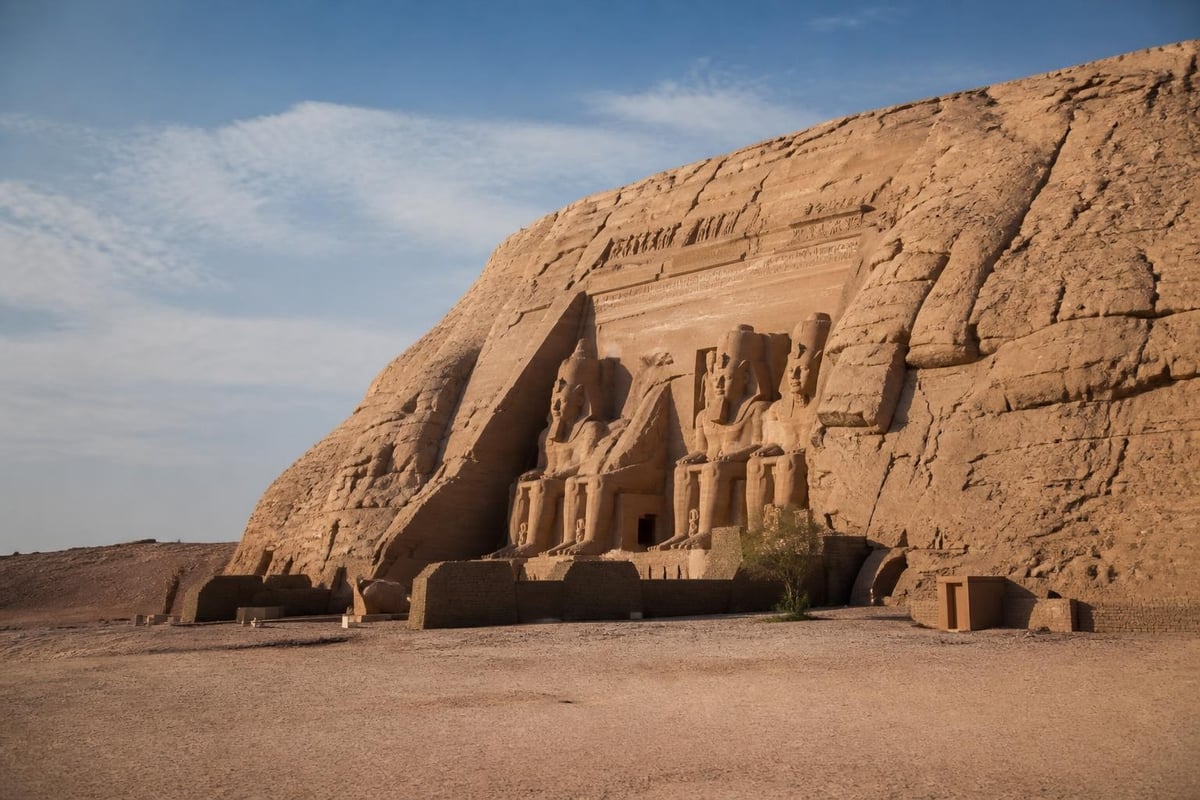
The temple's modern history adds another layer of wonder. When the Aswan High Dam threatened to submerge Abu Simbel beneath Lake Nasser, UNESCO coordinated an unprecedented rescue operation between 1964 and 1968. Engineers cut the entire temple complex into blocks and reassembled it on higher ground, preserving the precise solar alignment-a modern engineering feat that honours ancient achievement.
Saqqara and Memphis: Where Pyramid Building Began
Before Giza, there was Saqqara. This vast necropolis stretches along the Nile's west bank and contains the Step Pyramid of Djoser, built around 2650 BCE by the architect Imhotep. This revolutionary structure represents humanity's first large-scale stone building and the prototype for all subsequent pyramids.
Saqqara continues to yield discoveries that add to our knowledge of ancient Egypt. A recent tomb discovery at Saqqara demonstrates that this site still holds untold secrets beneath its sand. The nearby ruins of Memphis, Egypt's first capital, contain the enormous fallen statue of Ramses II and the Alabaster Sphinx, reminders of a city that ruled Egypt for millennia.
Aswan and the Nubian Heritage
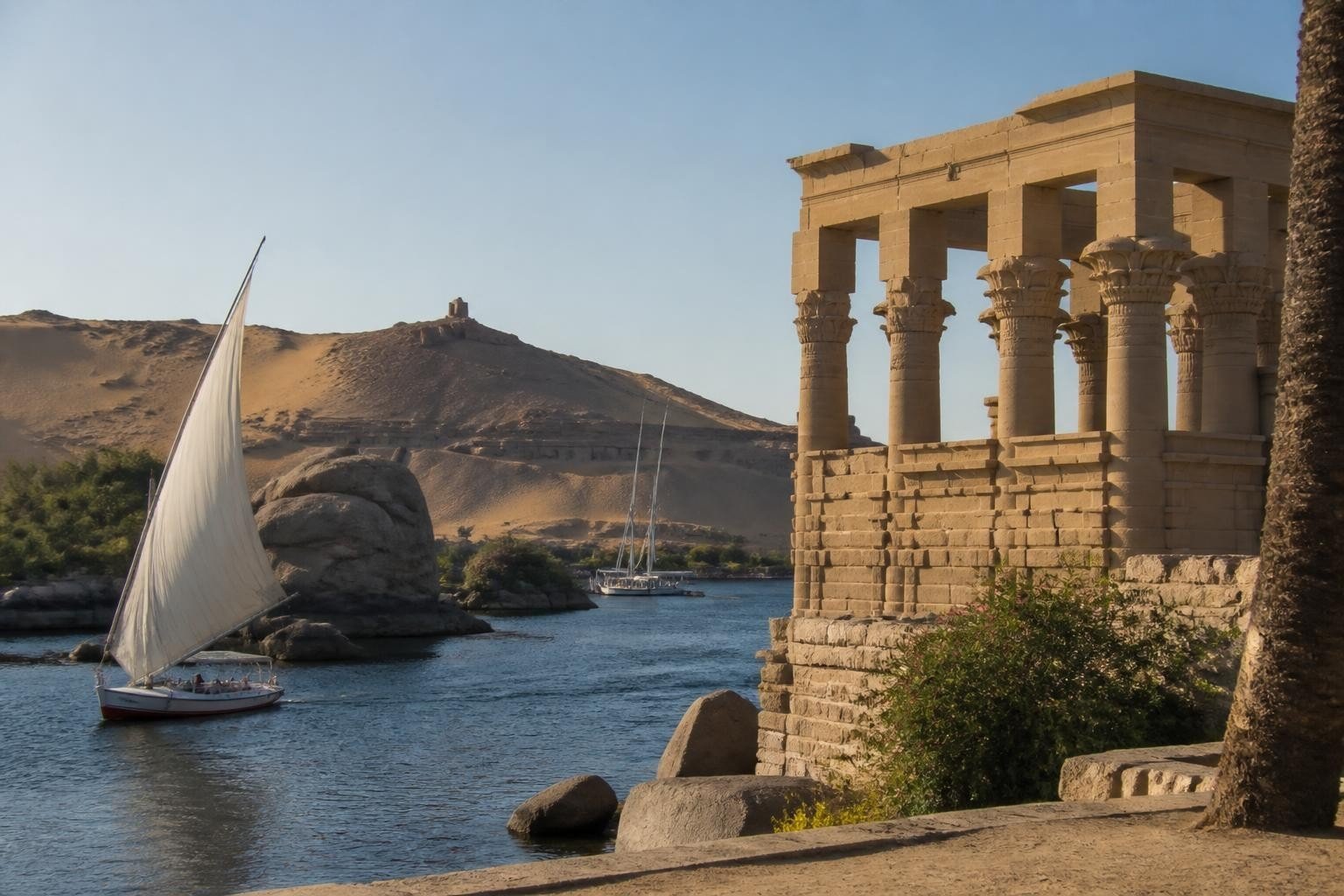
Aswan offers a different dimension to the wonders of Egypt. Here, Nubian culture blends with pharaonic heritage, creating a unique atmosphere found nowhere else in the country. The Philae Temple, dedicated to Isis and relocated to Agilkia Island during the Aswan Dam construction, represents some of the latest temple building in ancient Egypt, with construction continuing into the Roman period.
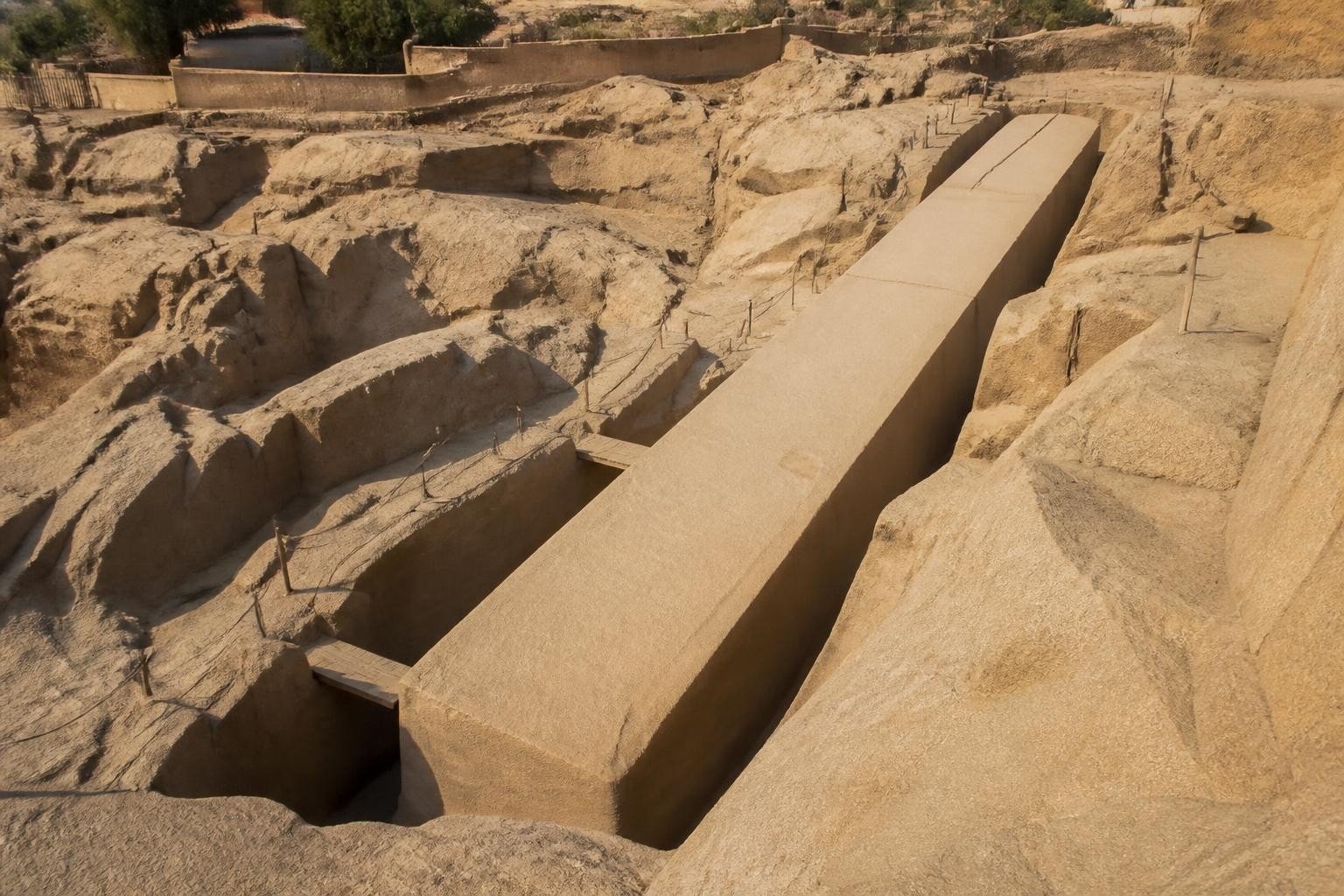
The Unfinished Obelisk in Aswan's granite quarries provides fascinating insights into ancient stone-working techniques. Had it been completed, this monument would have stood 42 metres tall and weighed approximately 1,200 tonnes, making it the largest obelisk ever attempted. The crack that caused its abandonment allows modern visitors to understand how these massive monoliths were extracted from bedrock.
Experiencing Aswan's Temples and Islands
Exploring Aswan reveals multiple layers of history:
- Philae Temple – Relocated island sanctuary with stunning Ptolemaic reliefs
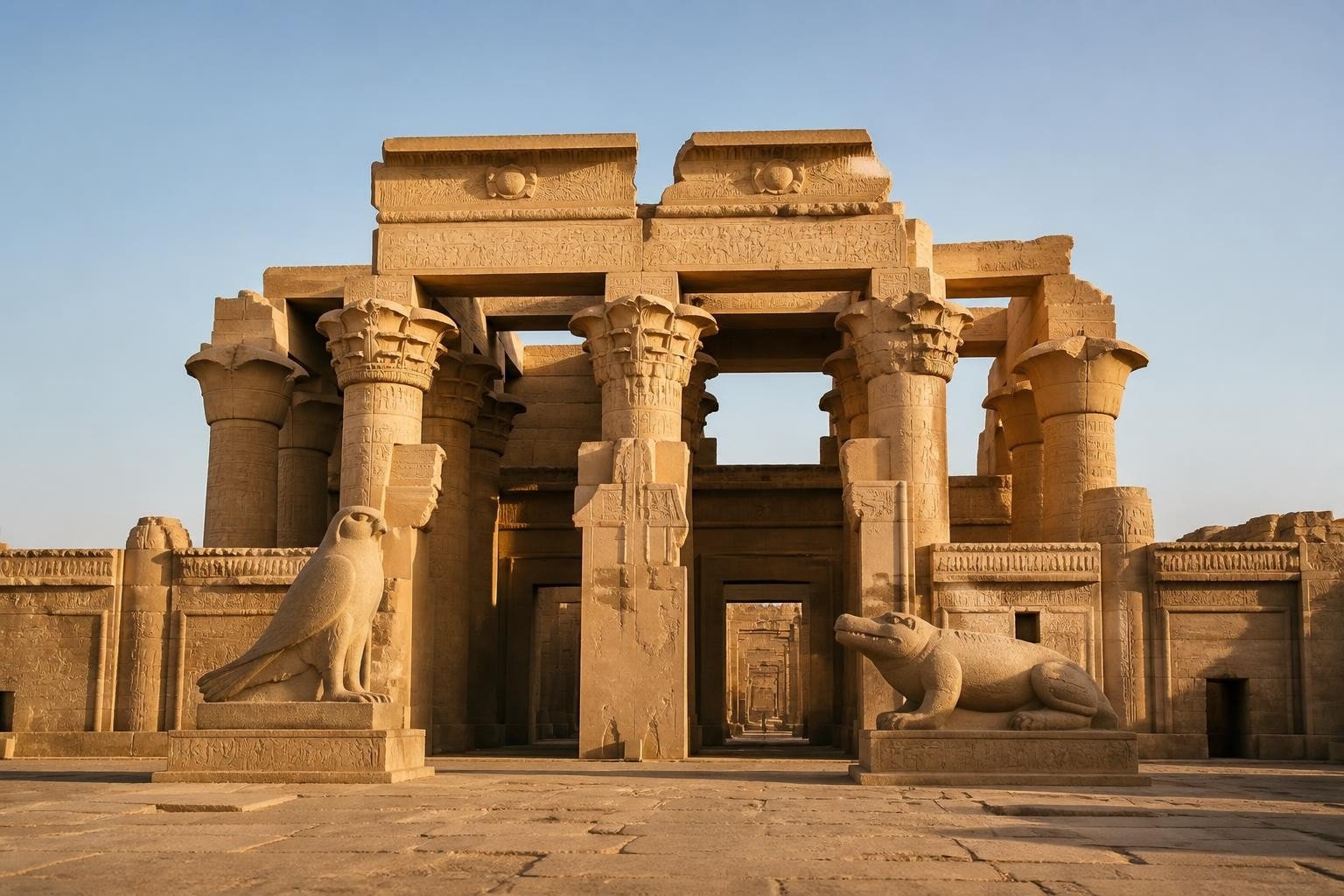
- Kom Ombo Temple – Unique double temple dedicated to both Sobek and Horus
- Nubian villages – Colourful communities preserving distinct cultural traditions
- Elephantine Island – Archaeological remains spanning 3,000 years
Many visitors experience these sites from the deck of a Nile cruise, following the same river route that connected ancient Egypt's great cities. Aswan tours typically combine these monuments with visits to local markets and traditional Nubian homes, offering cultural immersion alongside historical exploration.
The Egyptian Museum and Cairo's Treasures
Cairo's Egyptian Museum in Tahrir Square houses the world's most extensive collection of pharaonic antiquities. Over 120,000 items fill this institution, including the complete treasures of Tutankhamun-his golden mask, jewellery, chariots, and everyday objects that accompanied him to the afterlife.
Walking through the museum's galleries chronologically traces Egypt's development from prehistoric times through the Greco-Roman period. The Royal Mummy Room allows visitors to come face-to-face with some of history's most powerful rulers, including Ramses II, Seti I, and Hatshepsut, their preserved remains offering a direct connection to individuals who shaped civilisation over 3,000 years ago.
The Grand Egyptian Museum, currently opening in phases near the Giza Pyramids, will eventually become the world's largest archaeological museum. This modern facility will display the complete Tutankhamun collection for the first time, along with thousands of artefacts never before exhibited.
Living Wonders: Ongoing Discoveries and Research
The wonders of Egypt aren't confined to the past-they continue to emerge from the sand. Recent years have witnessed remarkable discoveries that add new chapters to Egyptian history. Archaeologists working at Saqqara, Luxor, and sites throughout the Nile Valley regularly uncover tombs, mummies, and artefacts that generate global headlines.
Modern technology has revolutionized Egyptian archaeology. Ground-penetrating radar, satellite imagery, and advanced DNA analysis reveal information impossible to obtain even a decade ago. The American Research Center in Egypt coordinates preservation projects and scholarly research that protect these irreplaceable monuments whilst advancing our understanding of ancient civilisation.
| Modern Discovery Method | What It Reveals | Recent Application |
|---|---|---|
| Muon radiography | Hidden chambers and voids | Great Pyramid void discovery |
| LiDAR scanning | Landscape features and lost structures | Nile branch beside pyramids |
| DNA analysis | Familial relationships and diseases | Royal mummy lineages |
| Satellite imagery | Buried structures under sand | New pyramid sites at Saqqara |
The 2027 Total Solar Eclipse: A Celestial Wonder
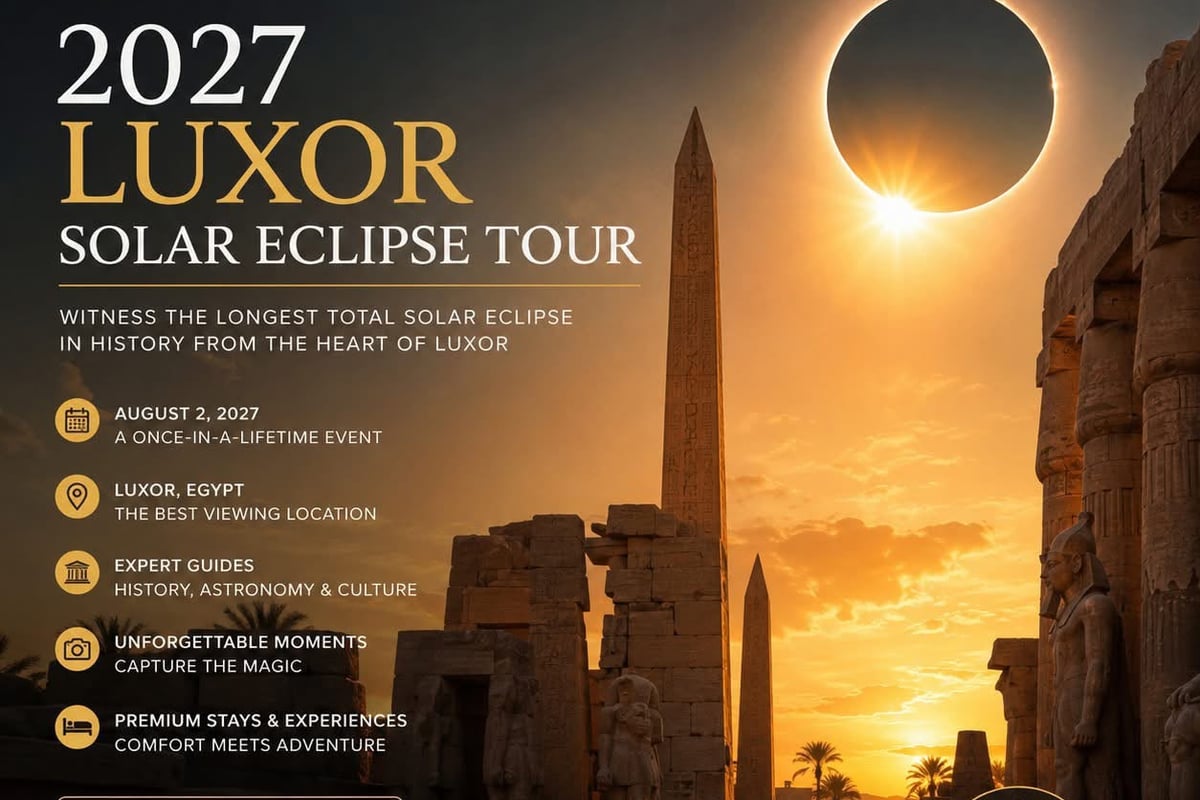
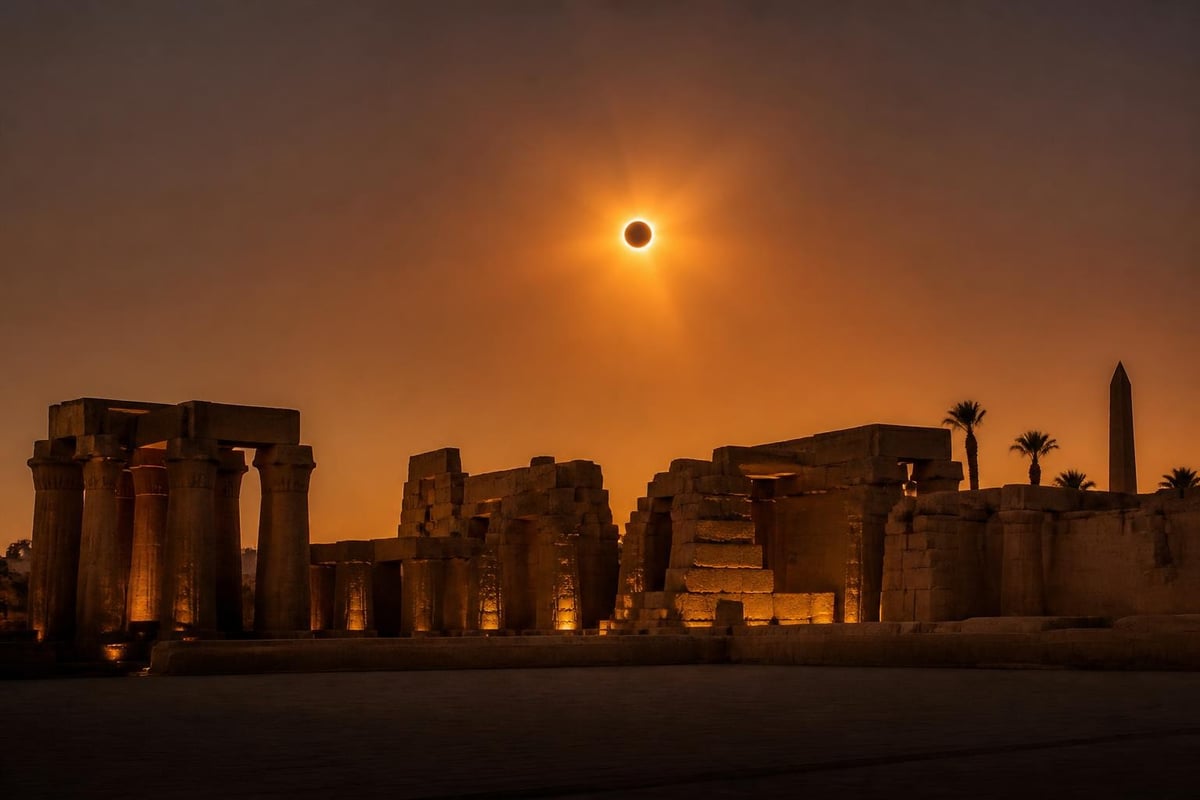
On 2 August 2027, Luxor will experience an extraordinary astronomical event when it sits directly beneath the path of totality for the longest total solar eclipse of the century. For over six minutes, darkness will fall across the temples of Karnak and Hatshepsut, creating an unprecedented opportunity to witness both ancient and celestial wonders simultaneously. This rare alignment of astronomy and archaeology offers visitors a once-in-a-lifetime experience that connects them to how the ancient Egyptians themselves observed and recorded celestial events.
For those planning to witness this remarkable convergence, Egypt Total Solar Eclipse Tours 2027 offer comprehensive packages that combine eclipse viewing with expert-guided exploration of Luxor's monuments, ensuring you experience both the astronomical phenomenon and the archaeological treasures in ideal conditions.
Experiencing Egypt with Expert Guidance
The wonders of Egypt reveal themselves most fully when experienced with knowledgeable guides who bring ancient stones to life through storytelling and scholarship. Expert Egyptologists transform temple visits from sightseeing into journeys through time, explaining the symbolism in hieroglyphs, the political significance of royal building projects, and the daily life of ancient Egyptians beyond the monuments.
Tailor-made journeys allow travellers to explore at their own pace, focusing on specific interests whether that's Ptolemaic temples, New Kingdom tombs, or Islamic Cairo. Cairo packages can combine the pyramids with lesser-known sites like the Citadel of Saladin and the hanging churches of Coptic Cairo, whilst Luxor packages might include hot air balloon flights over the Valley of the Kings at dawn.
Planning Your Egyptian Journey
Creating an unforgettable Egyptian experience requires consideration of several factors:
- Timing: November through February offers the most comfortable temperatures
- Itinerary balance: Mix major sites with hidden gems to avoid crowds
- Transport options: Domestic flights, Nile cruises, and private vehicles each offer advantages
- Cultural experiences: Markets, traditional meals, and local interactions enrich historical visits
- Photography opportunities: Early morning and late afternoon light transform monuments
Understanding how to get around Egypt helps visitors maximise their time, whilst knowledge of tipping in Egypt ensures smooth interactions with guides, drivers, and service staff throughout your journey.
Beyond the Famous Sites: Hidden Wonders
Whilst the Pyramids of Giza and Valley of the Kings rightfully claim global fame, Egypt's lesser-known sites offer equally compelling experiences. The Bent Pyramid at Dahshur, recently opened to visitors, shows the experimental phase of pyramid building with its distinctive angle change. The temples of Abydos, particularly Seti I's magnificent structure with its vibrant reliefs, rank amongst Egypt's finest artistic achievements.
In Cairo, the Ibn Tulun Mosque represents early Islamic architecture at its finest, whilst the narrow streets of Khan el-Khalili bazaar have operated continuously since the 14th century. The Coptic Quarter preserves churches built on sites where, according to tradition, the Holy Family took refuge during their flight to Egypt.
Desert monasteries like Saint Anthony's and Saint Paul's, built into cliffsides in the Eastern Desert, contain wall paintings dating back 1,500 years. These sites receive far fewer visitors than pharaonic monuments but offer profound insights into Egypt's Christian heritage and the early development of monasticism.
The Nile: Egypt's Eternal Lifeline
Understanding the wonders of Egypt requires understanding the Nile. This river provided water, transport, fertile soil, and a calendar for agricultural life. Ancient Egyptians oriented their entire civilisation along its banks, building temples on the east (sunrise, life) and tombs on the west (sunset, death).
Modern visitors can experience the Nile's importance through multi-day cruises that connect Luxor, Edfu, Kom Ombo, and Aswan. These journeys replicate ancient travel routes, stopping at temples and archaeological sites whilst sailing through landscapes that have changed little in millennia. Watching feluccas with their distinctive triangular sails glide past palm-lined banks offers moments of timeless beauty.
The Nile also shaped which monuments survived and which vanished. Sites built on high ground or into cliffsides endured, whilst mud-brick structures near the floodplain dissolved over centuries. This natural selection means that what remains-Egypt's stone temples and tombs-represents the most ambitious and important construction projects, the true wonders of Egypt.
From the mathematical precision of the Great Pyramid to the artistic brilliance of Luxor's tombs, Egypt's monuments showcase human achievement across 3,000 years of continuous civilisation. These wonders reveal themselves most powerfully when experienced with expert guides who decode hieroglyphs, explain astronomical alignments, and share stories that connect ancient lives to modern visitors. Whether you're planning your first journey or returning to explore deeper, My Way To Egypt creates tailor-made experiences that bring this extraordinary country to life through the knowledge of expert Egyptologists, seamless logistics, and the flexibility to discover Egypt your way.