Aswan Egypt stands as one of the country's most enchanting destinations, where ancient monuments rise from the desert sands and the Nile flows at its most serene. Located on the eastern bank of the river approximately 680 kilometres south of Cairo, this southern city has served as Egypt's gateway to Africa for millennia. From the engineering marvel of the High Dam to the relocated temples of Abu Simbel, Aswan offers travellers an intimate glimpse into Nubian culture, pharaonic grandeur, and modern ingenuity. Whether you're sailing past granite islands on a traditional felucca or exploring the temples saved from the rising waters of Lake Nasser, Aswan Egypt delivers experiences that complement the treasures of Luxor and the wonders of Cairo.
The Historical Significance of Aswan Egypt
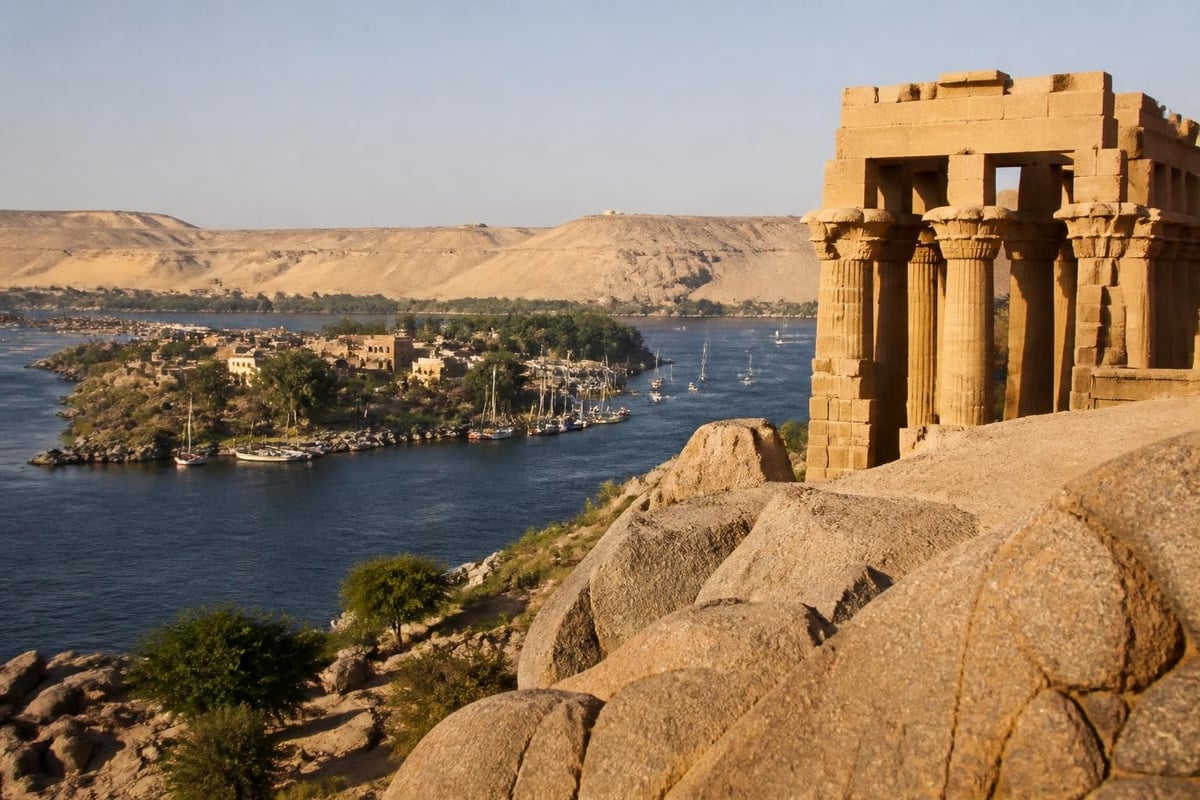
Aswan Egypt has played a pivotal role in Egyptian civilisation since the Old Kingdom. The city's strategic position at the First Cataract of the Nile made it a natural frontier and commercial hub, controlling trade routes between Egypt and Nubia. Encyclopaedia Britannica notes that Aswan's importance stems from its position at the traditional southern boundary of ancient Egypt, where the granite quarries supplied stone for monuments throughout the kingdom.
The ancient Egyptians knew this settlement as Swenett, meaning "trade" in the ancient language. Elephantine Island, situated in the middle of the Nile opposite modern Aswan, housed one of Egypt's oldest settlements and served as a military garrison and trading post. Archaeological evidence from the German Archaeological Institute’s ongoing excavations reveals continuous occupation spanning over 3,000 years, with temple complexes dedicated to Khnum, the ram-headed creator god who was believed to control the Nile's annual flood from caverns beneath the island.
Granite Quarries and Monumental Legacy
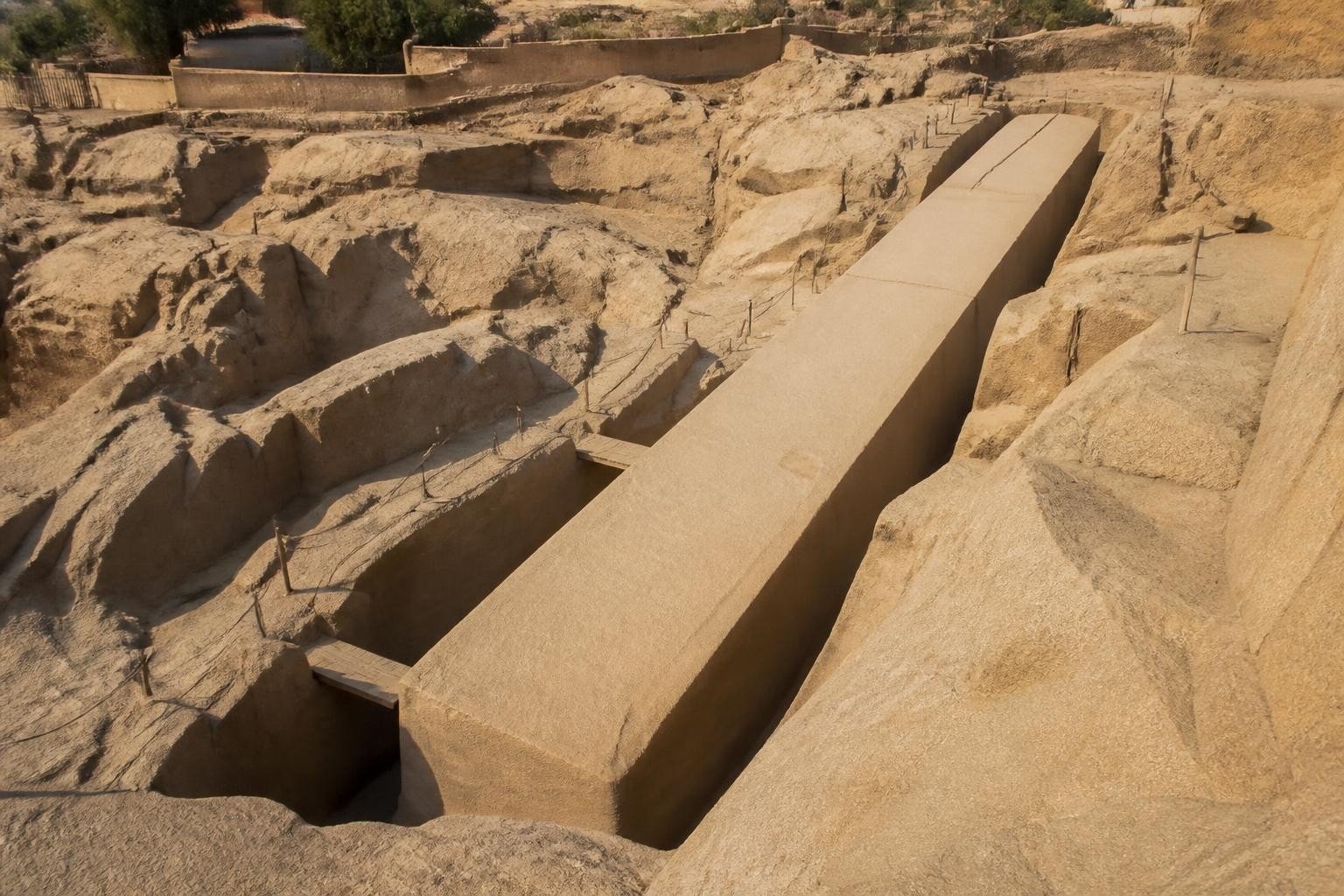
The rose-granite quarries of Aswan provided the raw material for Egypt's most impressive monuments. Obelisks, statues, and sarcophagi were hewn from these ancient quarries and transported northward to temples throughout Egypt. The Unfinished Obelisk, still lying in situ within the northern quarry, would have stood 42 metres tall and weighed approximately 1,200 tonnes had it been completed. This abandoned monument offers invaluable insights into ancient Egyptian stone-working techniques, revealing how workers used dolerite pounders to create separation trenches around the desired block before undercutting it for removal.
Essential Monuments and Archaeological Sites
Aswan Egypt's archaeological landscape extends far beyond the city limits, encompassing island temples, desert sanctuaries, and the world-famous Abu Simbel complex. Each site tells a distinct chapter in Egypt's multi-millennia story, from the Ptolemaic period through Roman occupation to the modern UNESCO salvage campaign.
Philae Temple Complex
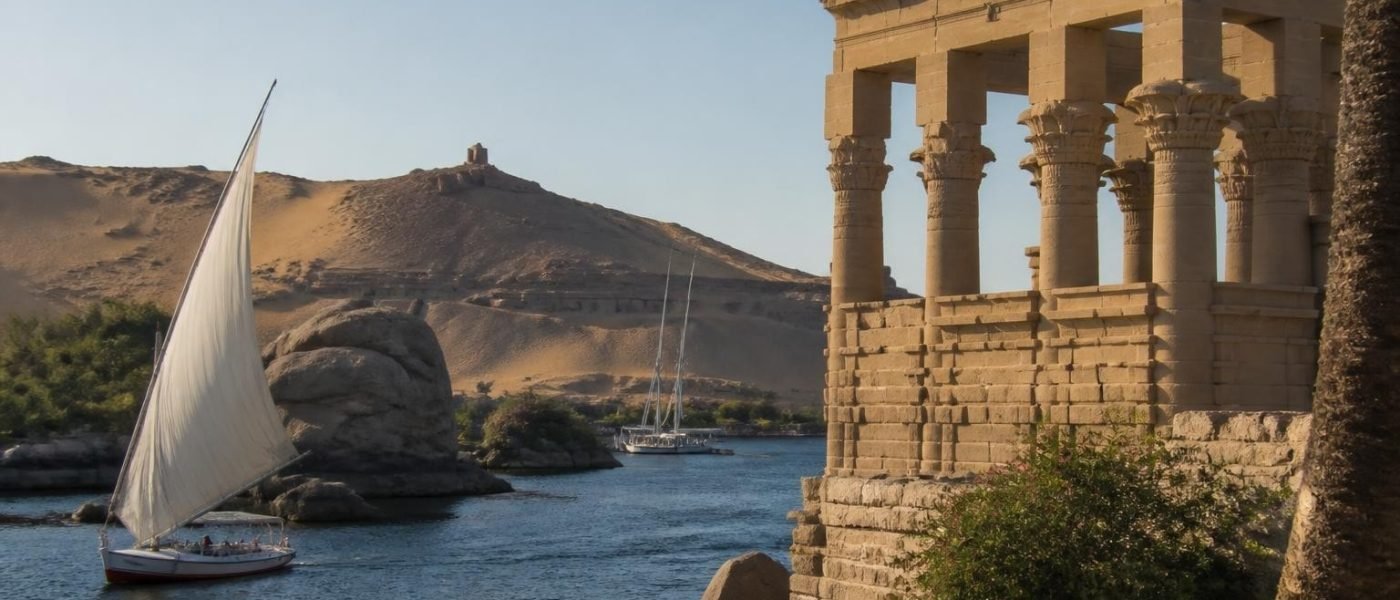
The Temple of Isis at Philae represents one of the last strongholds of ancient Egyptian religion, remaining active until the 6th century CE when Byzantine Emperor Justinian ordered its closure. Originally constructed on Philae Island, the entire complex was meticulously dismantled and relocated to neighbouring Agilkia Island during the 1970s to save it from the rising waters of Lake Nasser. The Nubian Monuments represent a UNESCO World Heritage Site of exceptional importance.
The temple's Ptolemaic and Roman architecture showcases the final flowering of Egyptian temple design, with beautifully preserved reliefs depicting the Isis and Osiris myth. Evening sound and light shows illuminate the colonnaded courts and hypostyle halls, bringing the sacred precinct to life through narration and carefully choreographed lighting.
Abu Simbel: Ramesses II's Masterpiece
Located 280 kilometres south of Aswan Egypt, the twin temples of Abu Simbel rank among the world's most recognisable ancient monuments. Ramesses II ordered these temples carved directly into the mountainside in the 13th century BCE, both as a demonstration of divine kingship and as a statement of power to Nubia's southern neighbours. The Great Temple's four colossal seated figures of Ramesses, each standing 20 metres high, guard the entrance to a sanctuary that penetrates 63 metres into the cliff face.
The Small Temple, dedicated to Queen Nefertari and the goddess Hathor, features six standing colossi on its façade-a rare honour for a royal wife. Twice annually, on 22 February and 22 October, sunlight penetrates the inner sanctuary to illuminate statues of Ramesses, Amun-Ra, and Ra-Horakhty, whilst the statue of Ptah remains in shadow-a celestial alignment that demonstrates ancient Egyptian astronomical knowledge.
| Temple | Dedicated To | Key Features | Relocation Period |
|---|---|---|---|
| Great Temple | Ramesses II, Amun, Ra-Horakhty, Ptah | Four 20-metre colossi, solar alignment, battle reliefs | 1964–1968 |
| Small Temple | Nefertari, Hathor | Six 10-metre standing figures, unique queen elevation | 1964–1968 |
The Nubian Museum
The Nubian Museum in Aswan Egypt provides essential context for understanding the region's rich cultural heritage. Opened in 1997, the museum chronicles Nubian civilisation from prehistoric times through the Islamic period, with particular emphasis on the communities displaced by the creation of Lake Nasser. The collection includes pottery, jewellery, weapons, and domestic items recovered during the UNESCO salvage campaign, alongside ethnographic exhibits showcasing traditional Nubian life, architecture, and customs.
The museum's landscaped gardens incorporate archaeological fragments and traditional Nubian house designs, creating an outdoor exhibition space that complements the indoor galleries. For visitors seeking to understand the human dimension of Aswan's archaeological wonders, this museum proves indispensable.
Climate, Seasons, and Visiting Considerations
Aswan Egypt experiences one of the world's driest climates, with rainfall averaging less than 1 millimetre annually. The city's desert location means extreme temperature variations between winter and summer, a factor that significantly influences the optimal visiting period. Climate data for Aswan shows average summer highs exceeding 40°C, whilst winter temperatures range between 10°C and 25°C.
Seasonal Travel Patterns
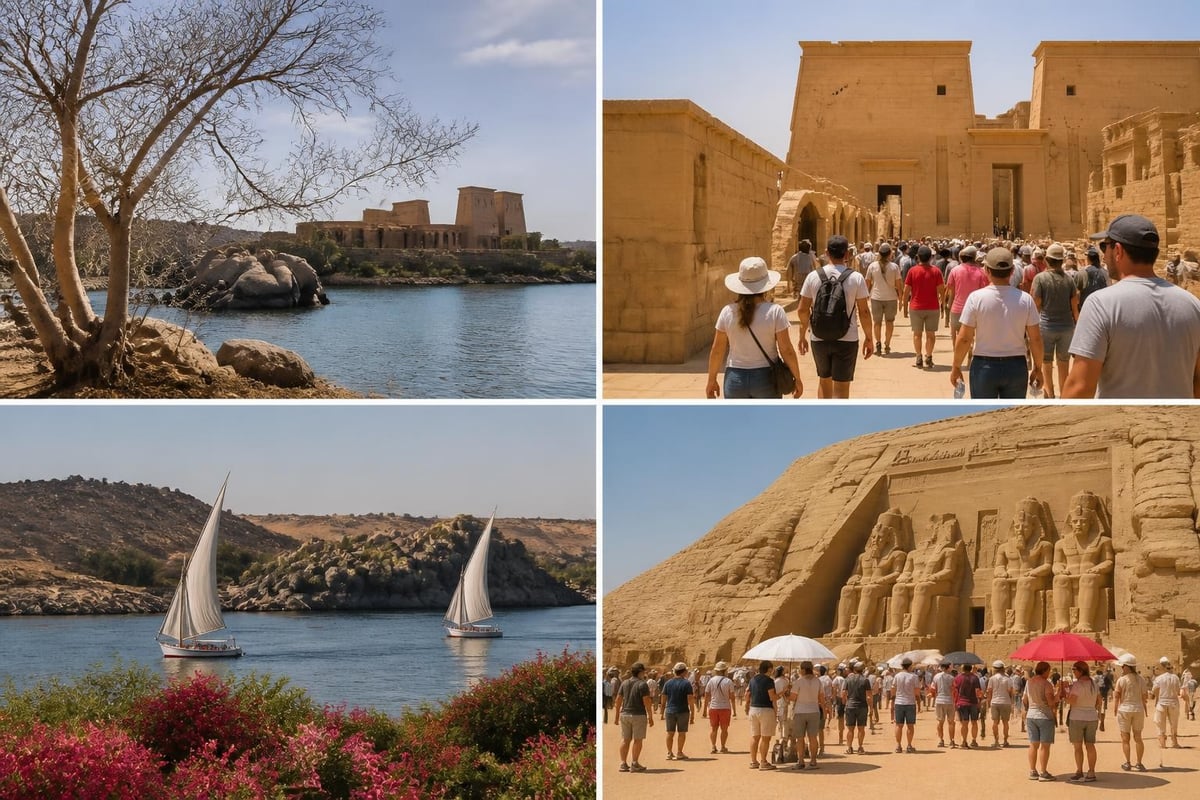
October through March represents peak season for Aswan Egypt, when comfortable temperatures make temple exploration and outdoor activities pleasurable. December and January see the highest visitor numbers, particularly around Christmas and New Year periods. February offers mild weather and the advantage of witnessing the Abu Simbel solar alignment.
April through September brings intense heat that can challenge even seasoned travellers. Morning visits to archaeological sites become essential, with afternoons reserved for indoor museums or felucca sailing. However, this low season offers advantages including reduced crowds, lower accommodation rates, and authentic interactions with local communities.
Practical Weather Considerations
- Sun protection remains essential year-round; the desert sun proves relentless even during winter months
- Hydration requires constant attention, particularly when exploring outdoor archaeological sites
- Layered clothing serves winter visitors well, as evenings can turn surprisingly cool
- Early starts maximise comfort during summer visits, with temple tours beginning at sunrise
Nubian Culture and Heritage
Aswan Egypt serves as the cultural heart of Nubia, a region whose civilisation predates the pharaohs. The Nubian people maintain distinct linguistic, architectural, and cultural traditions that enrich Egypt's diverse heritage. Traditional Nubian villages, with their brightly painted houses and welcoming communities, offer visitors insights into a way of life shaped by the Nile's rhythms.
The construction of the High Dam between 1960 and 1970 submerged ancient Nubian lands beneath Lake Nasser, displacing tens of thousands of people and flooding dozens of villages. Many relocated Nubians established new communities around Aswan, bringing their architectural traditions and cultural practices to settlements such as Gharb Soheil. These villages welcome visitors interested in learning about Nubian hospitality, cuisine, and crafts, with henna painting, basket weaving, and traditional music forming part of the cultural experience.
Nubian Language and Traditions
The Nubian language, spoken in several dialects, preserves ancient linguistic heritage distinct from Arabic. Whilst Arabic serves as the common tongue for commerce and official matters, many families maintain Nubian as their home language, ensuring transmission to younger generations. Traditional music employs distinctive rhythms and instruments, including the duff (frame drum) and the kisir (five-stringed lyre), creating soundscapes that echo through village celebrations and weddings.
Nubian architecture employs thick mud-brick walls and domed roofs designed to maintain cool interior temperatures. Decorative elements include geometric patterns, colourful paintings, and ceramic plates embedded in external walls-a practice that transforms houses into works of folk art. Many homes feature open courtyards and elevated sleeping areas designed to capture evening breezes during hot summer nights.
Activities and Experiences Around Aswan Egypt
Beyond temple visits, Aswan Egypt offers diverse activities that showcase the region's natural beauty and contemporary life. The Nile flows at its most picturesque here, dotted with islands and framed by golden desert hills that glow amber in the evening light.
Felucca Sailing
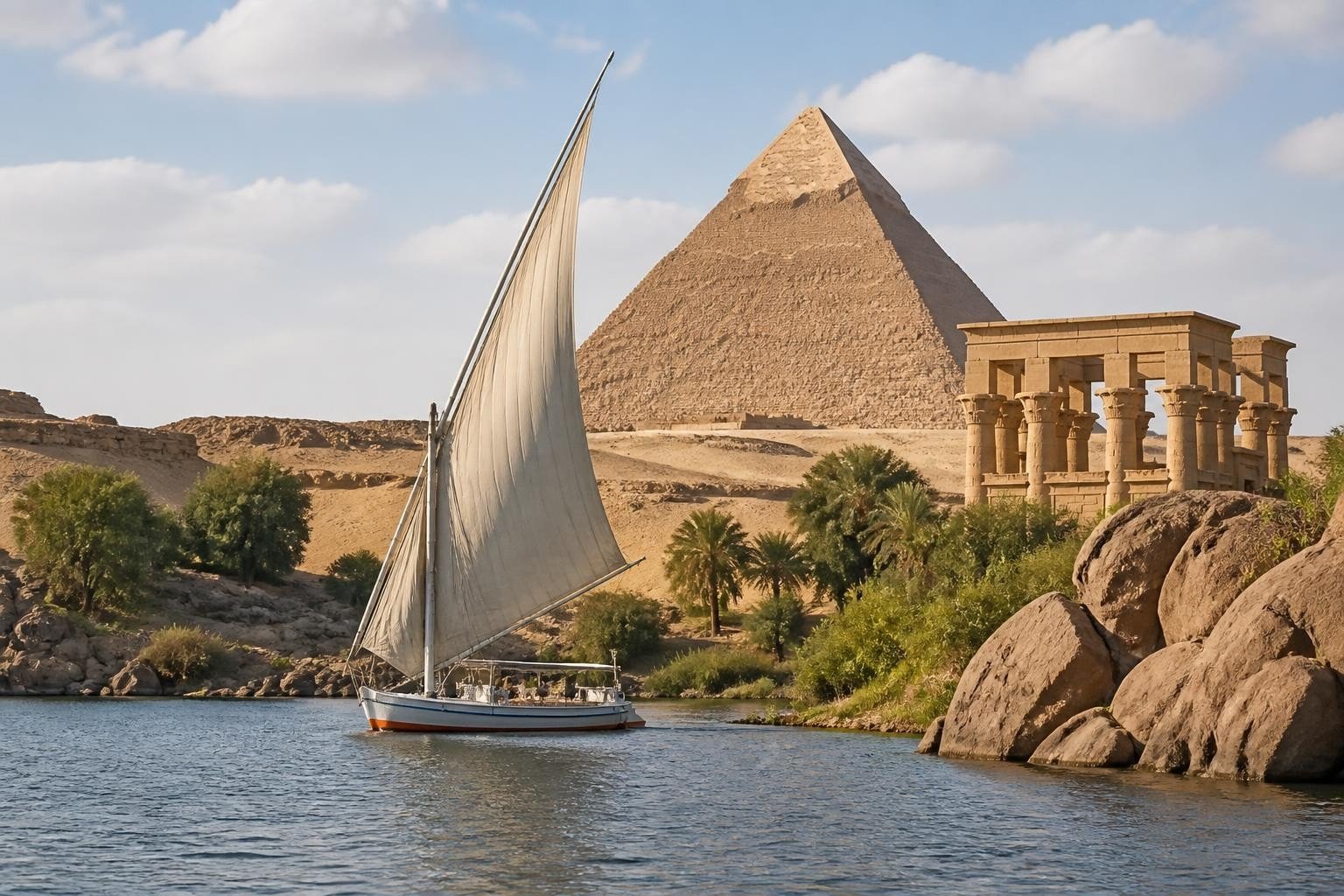
Traditional wooden feluccas, with their distinctive triangular sails, have plied these waters for centuries. Sailing trips range from short sunset cruises to multi-day journeys toward Kom Ombo and Edfu. The gentle pace allows appreciation of riverside life, from farmers tending crops on fertile banks to children swimming in shallow waters. Overnight felucca trips include camping on sandy islands, with simple meals prepared aboard and stars illuminating the desert sky.
Nile Cruises from Aswan
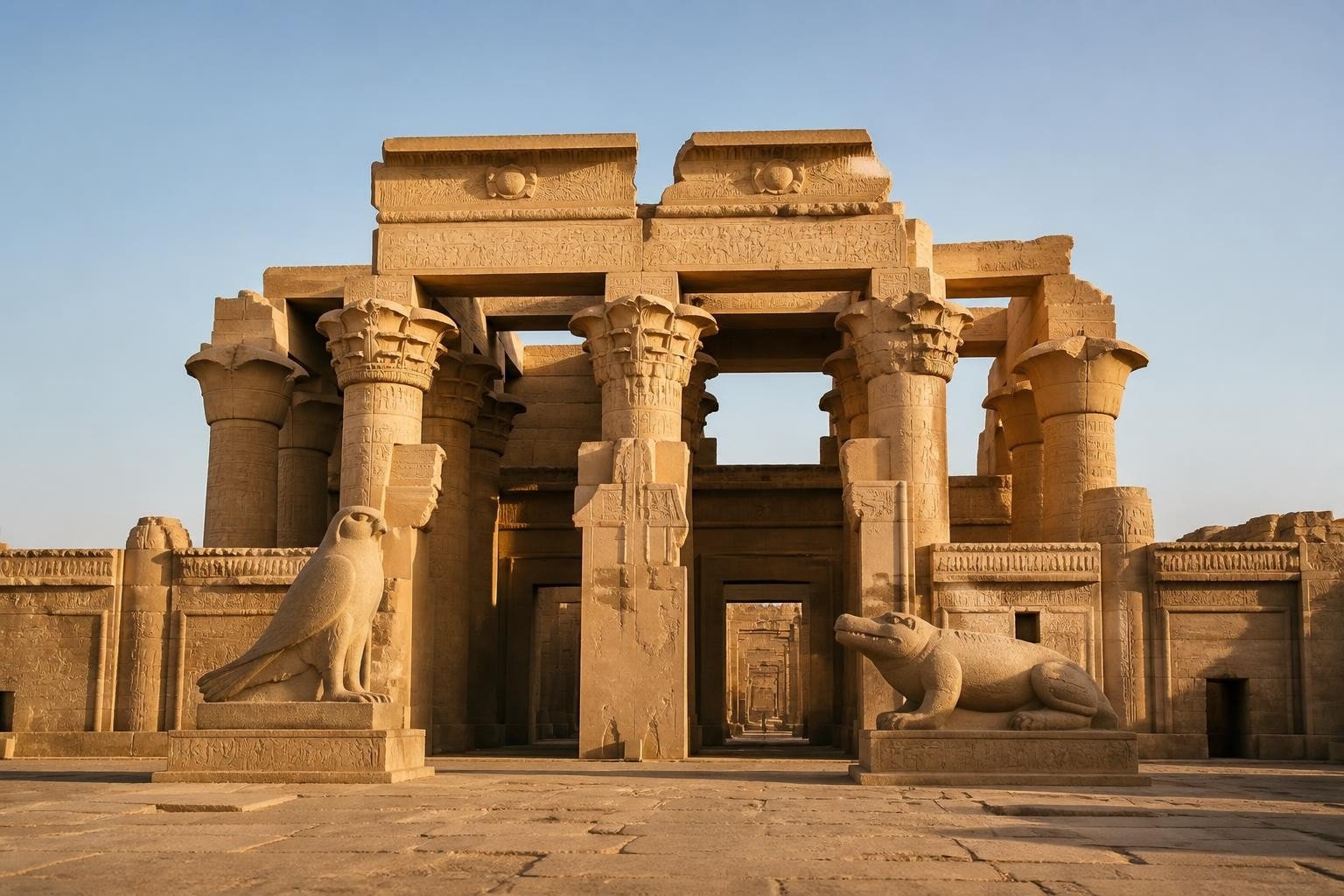
Many visitors combine Aswan with Nile cruises that sail between Aswan and Luxor, stopping at Kom Ombo and Edfu temples en route. These three- or four-night voyages provide a relaxed way to experience multiple archaeological sites whilst enjoying the Nile's changing landscapes. Luxury vessels offer swimming pools, sun decks, and fine dining, whilst smaller dahabiya cruises provide intimate sailing experiences with greater flexibility for off-itinerary exploration.
Botanical Gardens and Island Exploration
Kitchener's Island, gifted to Lord Horatio Kitchener in the 1890s, houses botanical gardens showcasing exotic plants and trees from across Africa and Asia. Peaceful pathways wind through groves of palms and flowering shrubs, creating a tranquil escape from the city. Elephantine Island combines archaeological sites with contemporary Nubian villages, allowing visitors to explore temple ruins before enjoying tea in local homes.
| Activity | Duration | Best Season | Highlights |
|---|---|---|---|
| Felucca sailing | 1 hour – 3 days | October–April | Sunset views, island camping, peaceful Nile experience |
| Abu Simbel visit | Full day | Year-round (early morning) | Colossal temples, UNESCO heritage, solar alignment |
| Nubian village | Half day | Year-round | Cultural immersion, traditional architecture, hospitality |
| Botanical Gardens | 2–3 hours | October–March | Exotic plants, birdwatching, shaded pathways |
The Aswan High Dam and Lake Nasser
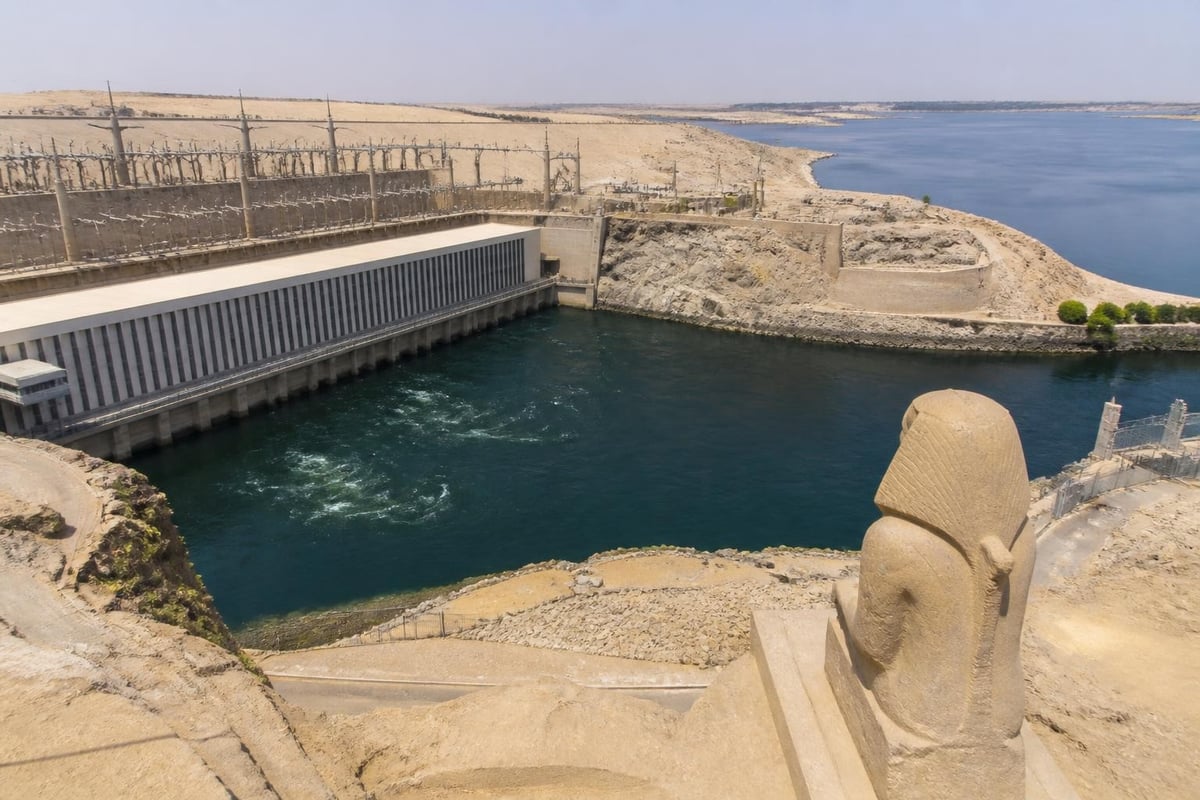
The Aswan High Dam, completed in 1970, transformed Egypt's agricultural economy and power generation capacity. This controversial yet monumental project created Lake Nasser, one of the world's largest artificial lakes, stretching 550 kilometres southward into Sudan. The dam regulates the Nile's flow, preventing the devastating floods that historically swept through Egypt whilst enabling year-round irrigation of farmland.
The UNESCO-led campaign to save monuments threatened by the rising lake represents one of archaeology's greatest achievements. Twenty-two temples and architectural complexes were dismantled, transported, and reconstructed on higher ground, including Abu Simbel, Philae, Kalabsha, and Amada. This international effort established precedents for cultural heritage protection that continue to guide preservation projects worldwide.
Visitors can tour the dam's massive structure, view the lotus-shaped monument commemorating Soviet-Egyptian cooperation, and appreciate the engineering achievement from observation platforms. Lake Nasser itself supports fishing communities and cruise tourism, with vessels exploring the remote temples accessible only by water.
Combining Aswan with Wider Egypt Itineraries
Aswan Egypt integrates seamlessly into comprehensive Egyptian itineraries, complementing the pyramids and museums of Cairo with southern Egypt's unique character. Most visitors allocate two to three days for Aswan itself, with an additional day trip to Abu Simbel. This timeframe allows exploration of Philae, the Nubian Museum, felucca sailing, and a Nubian village visit whilst maintaining a comfortable pace.
Multi-Destination Planning
Travellers often combine Aswan with Luxor, located 220 kilometres north and accessible by road, rail, or Nile cruise. Luxor's concentration of archaeological sites-including the Valley of the Kings, Karnak, and Luxor Temple-provides perfect thematic balance to Aswan's monuments. Together, these destinations offer immersion in Egypt's New Kingdom and Ptolemaic periods, with opportunities to visit sites such as Edfu and Kom Ombo temples en route.
For travellers planning comprehensive Egyptian journeys, Aswan serves as the southern anchor of a classic Cairo-Luxor-Aswan triangle. This routing allows chronological progression through Egypt's history, from Memphis and Giza through Thebes to Nubia's frontier. Some visitors extend southward to Abu Simbel before doubling back, whilst others conclude Egyptian adventures in Aswan before departing via domestic flights to Cairo or the Red Sea resort of Hurghada.
Special Events and Unique Opportunities
Egypt's position along the path of totality for the 2 August 2027 total solar eclipse creates exceptional opportunities for travellers. Whilst Luxor sits directly beneath the eclipse path, many visitors are choosing to combine Egypt Total Solar Eclipse Tours 2027 with extensions to Aswan and Abu Simbel, creating comprehensive itineraries that pair this rare celestial event with exploration of southern Egypt's monuments. The longest total solar eclipse of the century offers over six minutes of totality above ancient temples-an unforgettable fusion of astronomical wonder and pharaonic heritage.

Practical Tips for Visiting Aswan Egypt
Successful Aswan experiences depend on thoughtful preparation and local knowledge. These practical considerations help travellers maximise their time whilst respecting local customs and environmental conditions.
Transportation and Access
Domestic flights from Cairo to Aswan take approximately 90 minutes, with multiple daily departures from Cairo International Airport. EgyptAir and other carriers serve this route, making Aswan easily accessible for time-conscious travellers. Overnight sleeper trains provide an atmospheric alternative, departing Cairo in the evening and arriving in Aswan the following morning. Private compartments offer comfort and convenience, though advance booking proves essential during peak season.
Road transfers from Luxor to Aswan typically take three to four hours, allowing stops at Edfu and Kom Ombo temples en route. Private vehicles with experienced drivers provide flexibility and comfort, particularly for families or small groups seeking personalised itineraries.
Cultural Sensitivity and Etiquette
- Modest dress shows respect for local customs; shoulders and knees should remain covered when visiting villages and religious sites
- Photography permissions should be requested before photographing people, particularly in Nubian villages
- Shoes must be removed when entering homes; following local guidance demonstrates cultural awareness
- Bargaining forms part of market culture, but should be approached with good humour and fairness
Money and Practical Matters
Egyptian pounds (EGP) serve as the local currency, with ATMs available throughout Aswan city. Cards are accepted at major hotels and some restaurants, but cash remains essential for markets, felucca rides, and village visits. Small denomination notes prove useful for tips and minor purchases. Travellers should exchange currency at official bureaux or withdraw from bank ATMs rather than using unofficial money changers.
Expert Guidance Makes the Difference
Aswan Egypt rewards visitors who travel with knowledgeable guides capable of bringing ancient stones to life through historical context, archaeological insights, and engaging storytelling. Expert Egyptologists transform temple visits from sightseeing into educational journeys, explaining hieroglyphic texts, architectural symbolism, and historical connections that independent visitors might overlook. Local guides also facilitate authentic cultural exchanges in Nubian villages, serving as cultural interpreters who enable meaningful interactions whilst ensuring visits respect community preferences.
Professional tour operators handle logistical complexities including Abu Simbel transfers, which require early morning departures and security convoy coordination. They arrange optimal timing for temple visits, securing entries before tour bus crowds arrive and positioning travellers for the best photography opportunities. This expertise proves particularly valuable during peak season when popular sites become congested during mid-morning hours.
Aswan Egypt offers a compelling blend of ancient monuments, vibrant Nubian culture, and stunning natural beauty that distinguishes it from other Egyptian destinations. From Philae's island sanctuary to Abu Simbel's colossal grandeur, from felucca sailing at sunset to the warm hospitality of Nubian villages, this southern city delivers experiences that enrich any Egyptian journey. Whether you're planning a focused Aswan tour or incorporating it into a wider Egyptian itinerary, My Way To Egypt creates tailor-made journeys that bring these wonders to life through expert Egyptologists, thoughtful planning, and immersive experiences designed around your interests and travel style.