
How much should you tip in Egypt?
Tipping (baksheesh) isn’t legally required but is expected everywhere — budget $1–$25 per service, guides/drivers in USD, small everyday tips in EGP cash.
Guides & drivers full-day guide $15–25/group, driver $10–15/day, tip in USD
Hotel staff porter $0.50–1/bag, housekeeping $0.50–1/night, daily not at checkout
Restaurants 10–15% if no service charge; +5–10% cash if charge’s included
Nile cruise crew $10pp/night shared kitty, envelope at reception near trip’s end
In Egypt, tipping is called baksheesh and, while it is not required by law, it is expected in most situations. Plan to set aside about $1-$25 USD per service, depending on who is helping you. Tip guides and drivers at the end of each day, and be ready to tip almost anyone who provides a direct service, whether it is your felucca captain or the person handing you a tissue in a public restroom.
Why I Still Explain Baksheesh to Every Guest
On every trip I lead, someone always asks me the same thing on the first day: “Momo, how much do I actually tip?” I understand. No one wants to upset the porter at their hotel in Aswan, and no one wants to pay too much to a driver in Luxor just because it feels awkward to say no. After 25 years of seeing guests struggle with 200 EGP notes that no one can break, or tip too little out of worry and too much out of guilt, I decided to write this guide just like I would explain it to a friend riding with me from Cairo airport.
Baksheesh is not begging, and it is not a scam. Most people working in Egypt’s tourism industry earn a base salary that does not go far. Tips are built into how the whole system works, just like a server’s wage in some parts of the US. Once you understand that, giving someone a 20 EGP note feels different. It is no longer just a transaction, but a normal part of how people here earn their living.
EGP or Dollars? What I Tell My Guests to Actually Carry
Many online guides oversimplify things by saying either “USD is always fine” or “always use EGP,” but neither is the full story. From what I’ve seen:
- For small, everyday tips for porters, restroom attendants, waiters, or housekeeping staff, plan to give about $0.25 to $1 per interaction in the local currency. Workers at places like rest stops outside Luxor can’t break a $20 bill, and foreign coins can’t be exchanged at banks.
- For bigger tips, like for your Egyptology guide, driver, or cruise cabin steward at the end of a trip, $5 to $25 in USD notes (or the same amount in euros or pounds) is usually accepted and sometimes even preferred. The local currency has lost significant value against the dollar in recent years.
- Get small local bills as soon as you arrive. I always tell guests to break their first big bill at the hotel front desk or a supermarket, not at a temple gate. People at places like Karnak can’t give change for large notes, which can make tipping uncomfortable.
Tour Guides and Drivers: What I Would Actually Tip
This is the area I know best because it’s my own job. Here are the standard, fair tipping ranges for 2026:
- Full-day licensed Egyptologist guide: $15 to $25 per group or couple, or about $8 to $12 per person if you’re in a larger group
- Half-day guide: $4 to $6 per person
- Private driver (full day): $10 to $15
- Desert safari guide: $2 to $5; Jeep or 4×4 driver: $2 to $3
If a guide works with you for several days, such as across Cairo and Giza over three days, it’s best to tip at the end of the trip rather than each day. You can still give a small daily tip and a bigger thank-you at the end if you prefer. I’ve had guests hand me an envelope on the last morning at the Grand Egyptian Museum, and honestly, that’s still the moment that tells me a trip went well.
Hotel Tipping: Porters, Housekeeping, and Concierge
- For porters or bellhops, tip $0.50 to $1 for each bag they help you with.
- For housekeeping, leave $0.50 to $1 per night in your room. Placing the tip in an envelope on the pillow is a good idea.
- Tip the concierge $1 to $2 for helpful service, and consider giving more if they go out of their way to solve a problem for you.
It’s best to leave a tip for housekeeping each day rather than giving a single larger tip at checkout. Since different staff may clean your room during your stay, a single tip at the end might only reach the person working that day.
Restaurants and Cafés: The Service Charge Trap
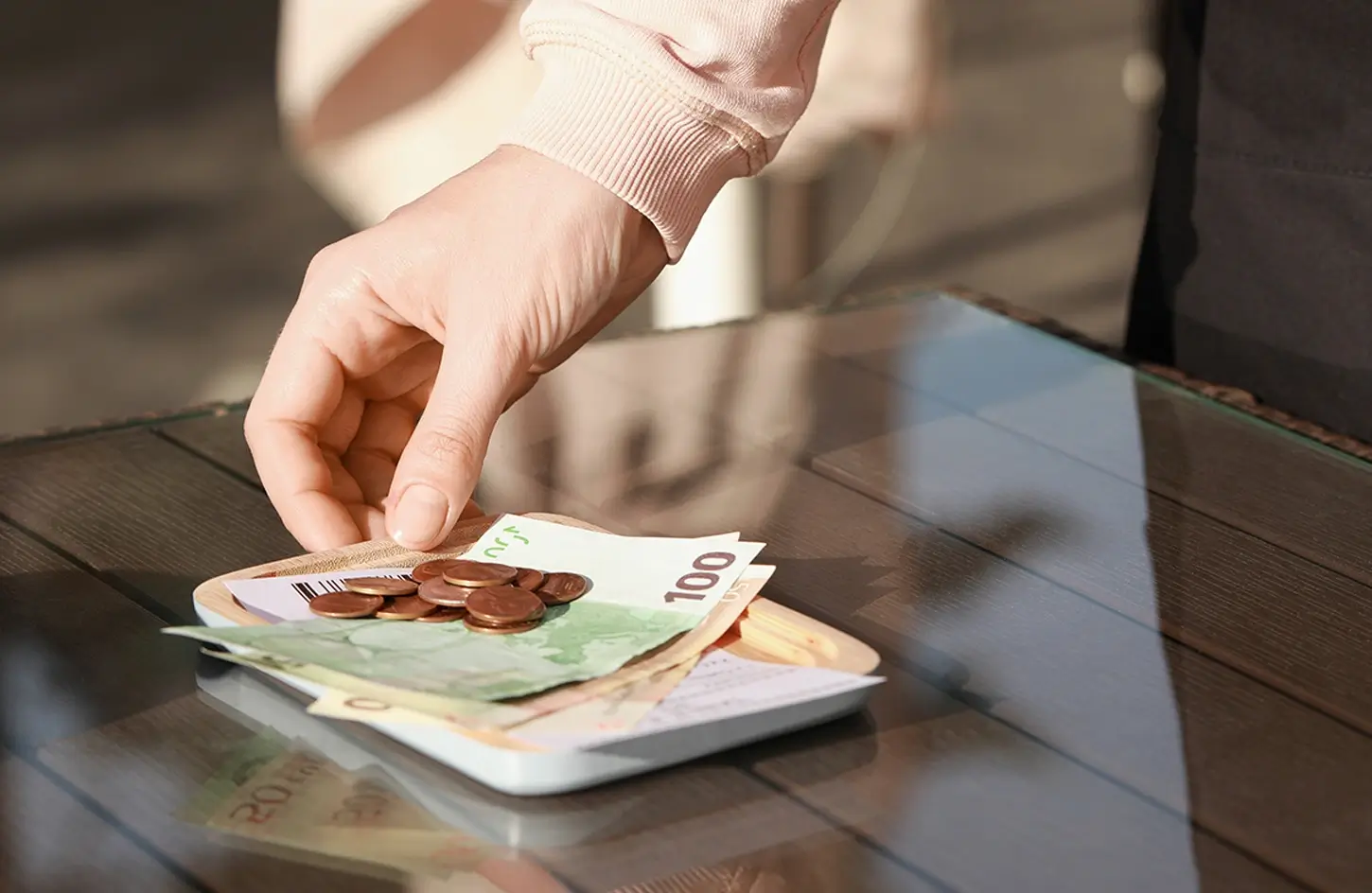
In most restaurants in Cairo, Luxor, and Aswan, you’ll see a 12–14% “service charge” added to your bill. What many people don’t realize is that this money usually goes to the restaurant, not the server. I’ve asked waiters about this many times myself.
- If your bill already includes a service charge, it’s a good idea to leave an extra 5–10% in cash directly for your waiter.
- If there’s no service charge listed, tip your waiter 10–15% of the total bill in cash.
- At casual cafés or street food stalls, simply rounding up your bill or adding about $0.20 to $0.40 is generous and always appreciated.
Nile Cruises and Felucca Rides
Nile cruise ships usually have a shared tipping kitty for the crew. Housekeeping, kitchen staff, and sailors all receive tips from this pool. The usual recommendation is $10 USD (or the equivalent) per person, per night, which you can put in an envelope at reception near the end of your trip.
If your cabin steward or a particular waiter gave you extra attention, adding a small personal tip on top of the kitty is a thoughtful gesture. I’ve seen guests do this in Aswan on the last night, and it always brings out a genuine smile.
For a short felucca ride on the Nile, like the ones you might take at sunset in Aswan, it’s fair to give the captain $1-$2 for an hour or two on the water. A sunset sail is also one of the Top Things to Do in Egypt, so it’s worth building into your Aswan itinerary if you haven’t already.
Desert Safaris and Red Sea Boats
The same idea applies as with land tours. The guide who spent the day teaching you and the driver who took you through the dunes should each receive a separate tip.
- Safari guide: $1–$5 depending on trip length
- 4×4/Jeep driver: $1–$3
- Red Sea snorkeling/dive boat crew: $1–$2 per person for a half-day trip is standard.
Temples, Museums, and “Photo Guards”
This is where most tourists get confused, and it’s often the start of awkward tipping stories. At places like Karnak, the Valley of the Kings, or the Egyptian Museum, you may meet uniformed guards who offer to show you a hidden spot, open a closed area, or take your photo in a special place.
If an official guard actually helps you, tipping $0.50 to $1 is fair. You never have to tip anyone who comes up to you without being asked. I always tell my guests: if you didn’t ask for help and don’t want it, just say “la, shukran” (no, thank you) and keep walking.
Taxis, Uber, and Private Drivers
- For Uber or Careem rides, you don’t need to tip, but rounding up the fare is a nice gesture.
- For street taxis, agree on the fare before the ride starts. This way, you avoid any confusion about tipping, since haggling and tipping are separate customs and should not be mixed.
- Airport transfer driver: $5–$10 is standard for a one-way transfer
When You Should Say No: Avoiding Baksheesh Scams
Most guides avoid writing this section honestly because they want to sell you a tour. I don’t, so I’ll be clear: not every hand extended to you deserves a tip.
A small number of people, sometimes even children, approach tourists to invent a “service” out of nothing. They might point at something obvious, offer to “guard” your shoes at a mosque without being asked, or grab your bag before you agree. This does not reflect true Egyptian hospitality. It’s a tourist hustle, and you can find it in any country with lots of visitors.
You are not being rude if you say no. A firm, polite refusal and walking away is enough. If a child asks you for money, I always tell guests not to give cash directly. This can encourage kids to skip school for this very reason. If you want to help, your generosity is better directed to a legitimate local charity.
Quick Reference Table
| Service | Recommended Tip (USD) |
|---|---|
| Full-day tour guide | $15–$25 per group, or $8–$12 per person |
| Half-day tour guide | $4–$6 per person |
| Private driver (full day) | $10–$15 |
| Hotel porter (per bag) | $0.50–$1 |
| Housekeeping (per night) | $0.50–$1 |
| Restaurant (no service charge) | 10–15% of bill |
| Restaurant (service charge included) | + 5–10% cash |
| Nile cruise crew (per person/night) | $10 |
| Felucca captain (short ride) | $1–$2 |
| Desert safari guide | $1–$5 |
| Site guard (legitimate help only) | $0.50–$1 |
| Airport transfer driver | $5–$10 |
Note: Dollar amounts are approximate and use an exchange rate of about 50 EGP to $1 as of 2026. This rate can change, so check with your guide or hotel for the latest local-currency amounts during your trip. For small tips, it’s easier to pay in the local currency because low-value USD coins are not practical to carry.
Frequently Asked Questions
Is tipping mandatory in Egypt?
Tipping isn’t required by law in Egypt, but it’s a normal part of daily life, especially in tourism, hospitality, and transportation. If you skip tipping, especially for guides and drivers, people may think you simply forgot.
Should I tip in Egyptian pounds or US dollars?
Give small, everyday tips like those for porters, restroom attendants, and casual restaurant staff in Egyptian pounds. Foreign coins can’t be exchanged, and small bills are hard to break. Save US dollars, euros, or British pounds for bigger tips to guides, drivers, or cruise staff, since foreign currency is often accepted and sometimes even preferred.
How much should I tip my Egyptian tour guide?
For a full-day private tour with a licensed Egyptologist guide, a fair tip is about $15 to $25 per couple or small group. For larger groups, $8 to $12 per person is standard. It’s best to give the tip at the end of the tour, unless your tour lasts several days.
Do I have to tip if the service was bad?
No. In Egypt, tipping is meant to reward good service. You don’t have to tip for help you didn’t ask for or for poor service. It’s fine to politely say no, and most people won’t be offended.
Why do restaurants in Egypt still expect a tip if there’s already a service charge on the bill?
Most restaurants in Egypt add a service charge to the bill, but this usually goes to the business, not your server. If you want your server to get the tip, it’s normal to leave an extra 5–10% in cash.
How much should I tip on a Nile cruise?
On most Nile cruises, tips for the crew are collected in a shared pool. The usual amount is about $10 USD per person, per night. You put this in an envelope at reception near the end of your trip. If someone gives you especially good service, you can give them an extra tip directly.
Final Note from Momo
I’ve been guiding tours for 25 years, and if you remember one thing from this guide, let it be this: tipping in Egypt isn’t something you can get wrong. Keep small bills handy, tip those who truly helped you, and politely say no to others.
That’s really all there is to it. If you’re on one of my tours, don’t worry about getting it perfect. I’ll let you know what’s fair, just like I would for a friend.