A journey along the world's longest river remains one of travel's most enduring experiences, blending ancient history with modern comfort in a way few destinations can match. When you cruise the Nile Egypt, you're following a route unchanged for millennia, sailing past temples, tombs and farming villages whilst expert guides bring pharaonic stories to life. Whether you choose a traditional felucca, an intimate dahabeya or a five-star ship, this voyage connects you to Egypt's heart in ways land-based tours simply cannot replicate.
Why Choose a Nile Cruise Over Other Egypt Itineraries
Travelling by river offers unique advantages that enhance your understanding and enjoyment of Egypt's treasures. Unlike rushed coach tours between cities, a Nile cruise provides a floating base, unpacking once whilst ancient sites come to you.
The practical benefits transform your trip. You wake up moored beside temples, step ashore for guided tours, then return to your cabin for lunch whilst sailing to the next monument. This rhythm eliminates the fatigue of constant hotel changes and long desert drives.
Key advantages include:
- Seamless logistics with accommodation and transport combined
- Access to riverside temples best approached by water
- Breakfast views of palm groves and traditional farming life
- Expert Egyptologists who lecture onboard between excursions
- Evening entertainment and themed dinners in elegant settings
The educational depth matters enormously. Whilst sailing between Luxor and Aswan, your guide contextualises each temple within Egypt's 3,000-year timeline, creating narrative threads that land-based tours often miss.
Understanding Nile Cruise Routes and Durations
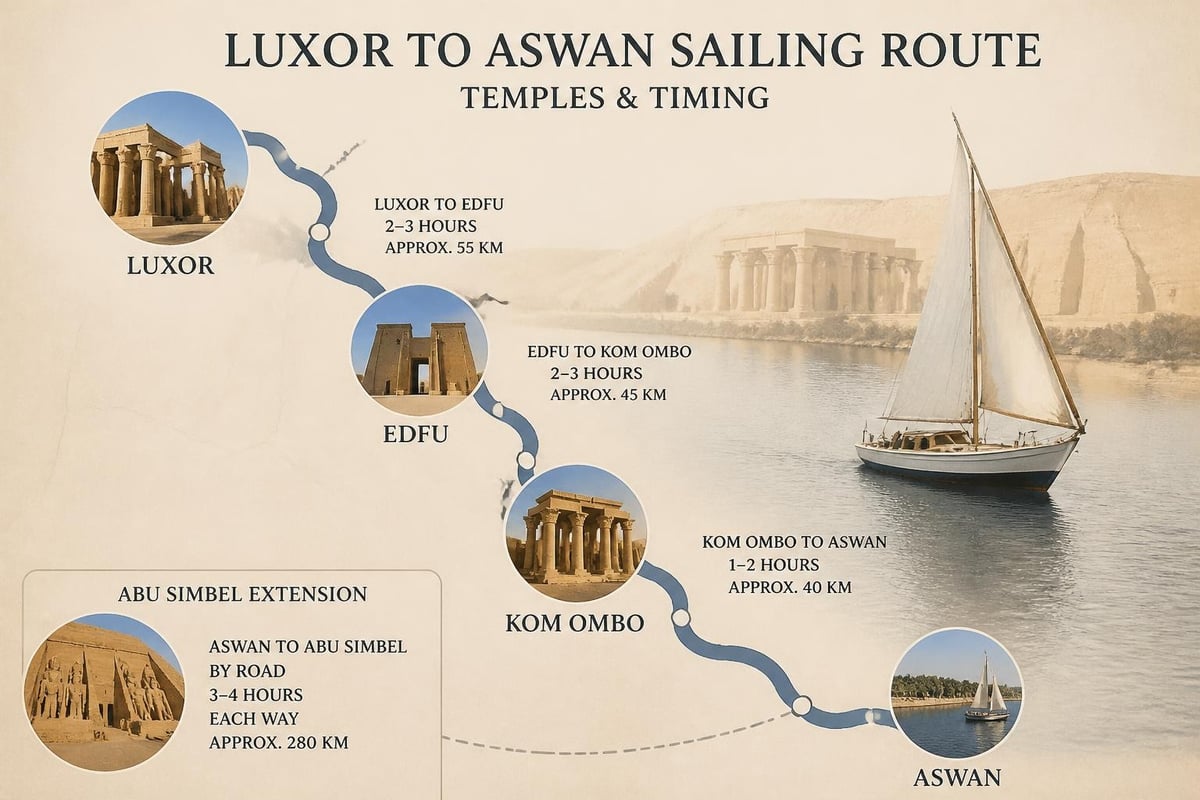
Most cruises operate between Luxor and Aswan, covering approximately 200 kilometres through Upper Egypt's temple heartland. This section offers the richest concentration of pharaonic monuments accessible by water.
The Classic Luxor to Aswan Route
Standard itineraries run three to four nights, departing Luxor southbound or Aswan northbound. Both directions work equally well, though many travellers prefer southbound journeys that climax with Abu Simbel.
Typical four-night southbound stops include:
- Luxor East Bank (Karnak and Luxor temples)
- Luxor West Bank (Valley of the Kings, Hatshepsut Temple)
- Edfu (Horus Temple)
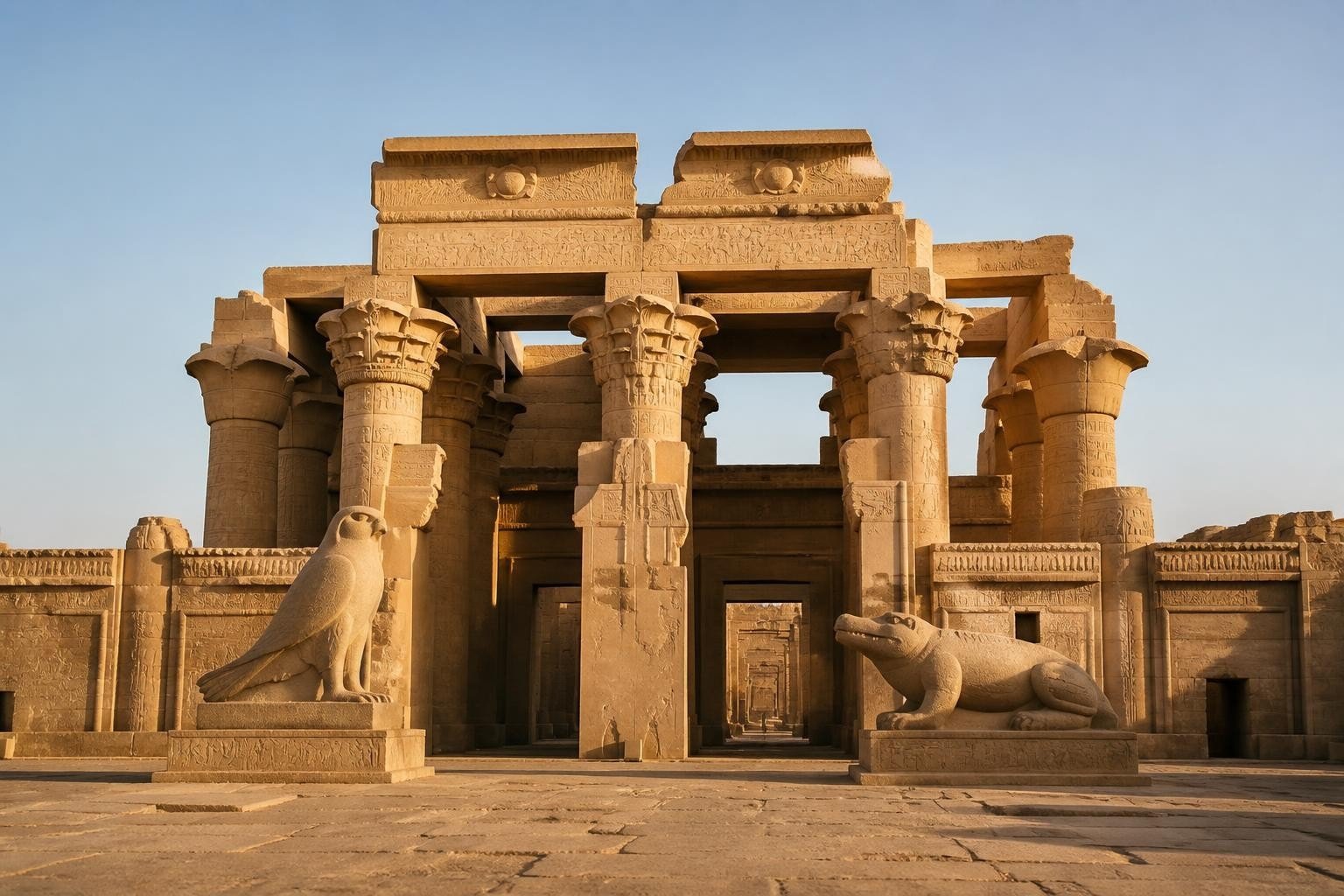
- Kom Ombo (dual Sobek and Horus temple)
- Aswan (Philae Temple, Unfinished Obelisk)
The river narrows considerably between Esna and Aswan, where granite boulders create the First Cataract that ancient sailors feared. Modern vessels navigate these waters effortlessly, though the Esna Lock creates occasional delays.
Extended Routes and Lake Nasser Cruises
Seven to ten-night voyages combine the Luxor-Aswan route with Cairo extensions or Lake Nasser expeditions. The latter reaches temples saved from Aswan High Dam flooding, including Abu Simbel, Amada and Kalabsha.
Lake Nasser cruises differ dramatically from river sailings. You traverse a vast reservoir through Nubian landscapes with fewer passengers and more remote temples. These journeys suit adventurous travellers seeking solitude beyond standard circuits.
For comprehensive exploration, consider 5-star Nile cruises that pair Upper Egypt temples with several days in Cairo visiting the Pyramids, Egyptian Museum and Islamic quarter.
Types of Vessels: From Feluccas to Five-Star Ships
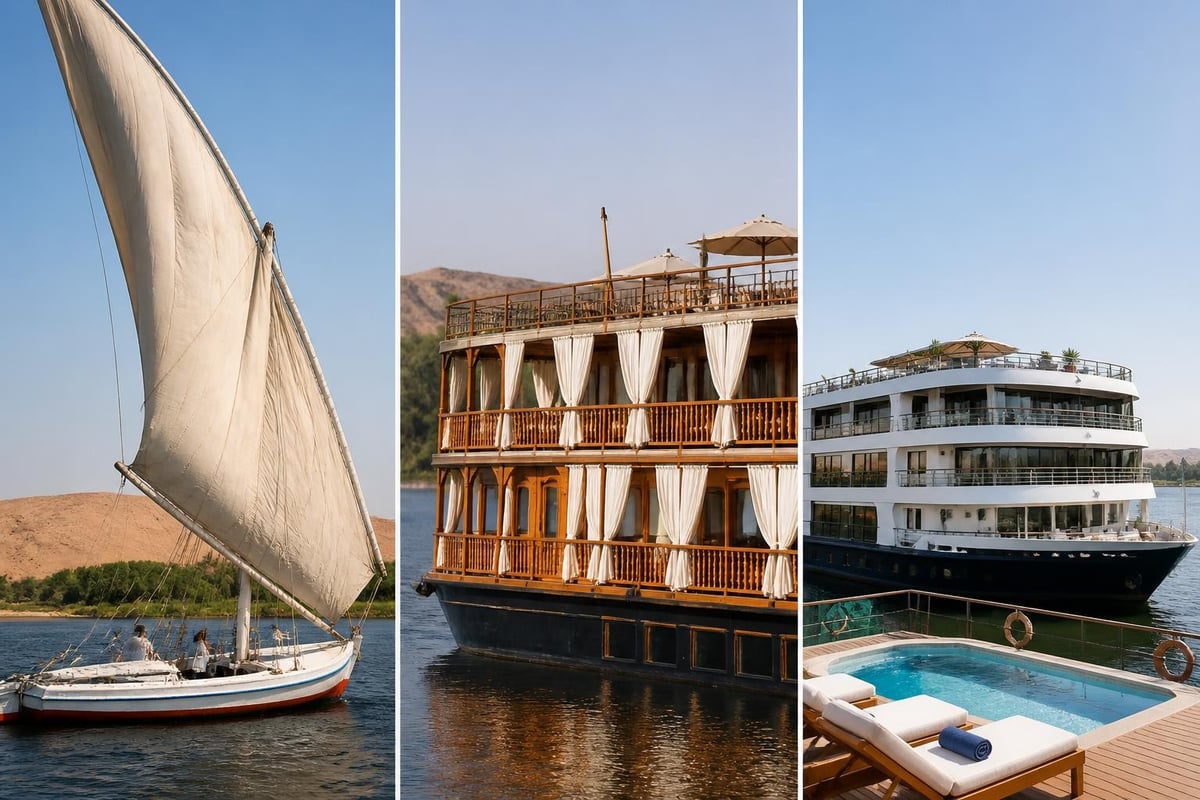
The vessel you choose fundamentally shapes your Nile experience. Each category offers distinct advantages depending on your priorities, budget and tolerance for basic conditions.
| Vessel Type | Capacity | Facilities | Best For | Price Range |
|---|---|---|---|---|
| Felucca | 6-8 guests | None (camping on deck) | Adventure seekers | £30-50/night |
| Dahabeya | 8-20 guests | En-suite cabins, dining room | Couples, small groups | £200-400/night |
| Standard cruise ship | 80-150 guests | Pool, restaurant, bar | Budget-conscious families | £80-150/night |
| Luxury cruise ship | 60-80 guests | Spa, fine dining, suites | Discerning travellers | £250-600/night |
Feluccas: Traditional Sailing Without Engine
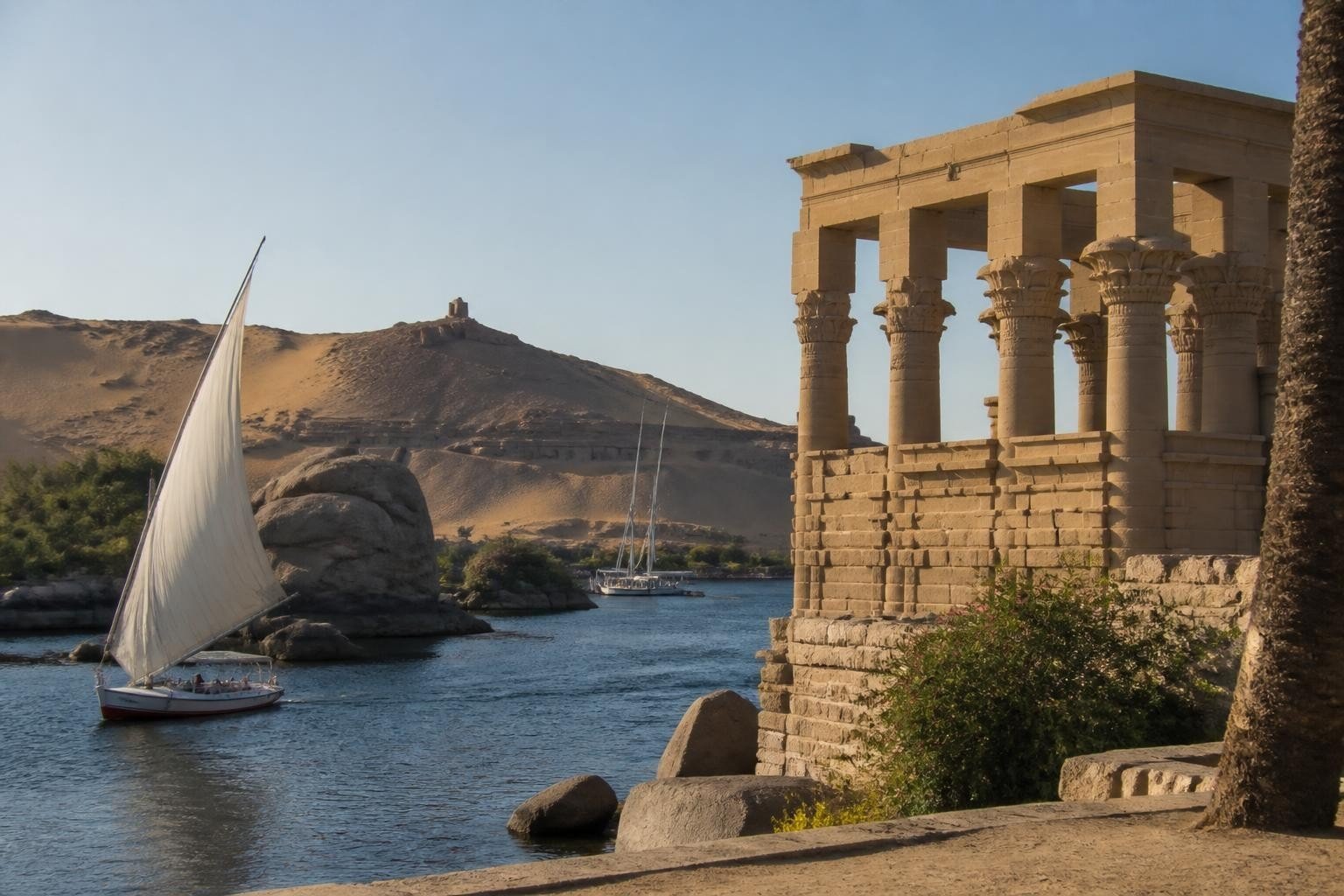
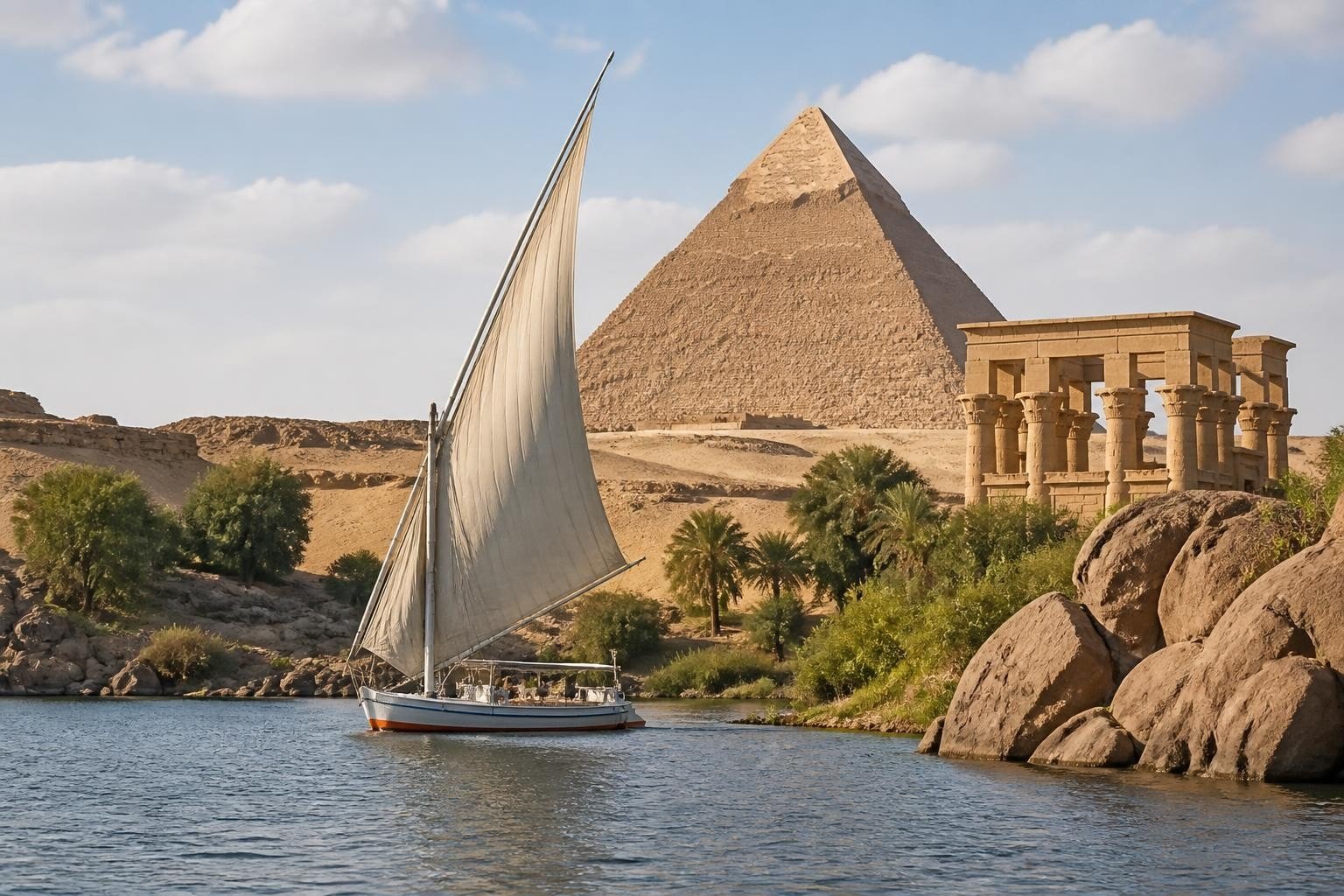
These iconic white-sailed boats cruise the Nile Egypt exactly as they have for centuries, powered entirely by wind. Crew prepare simple meals on charcoal braziers whilst you sleep on deck cushions under stars.
Felucca trips typically run Aswan to Kom Ombo over two to three days. You won't visit temple interiors or enjoy private bathrooms, but the intimacy and silence create magical moments impossible on larger vessels.
Dahabeyas: The Elegant Middle Ground
Dahabeya boats revive 19th-century travel style with shallow-draft hulls that access smaller moorings. These boutique vessels carry fewer than 20 guests, creating house-party atmosphere with personalised service.
The dahabeya Nile cruise option suits travellers who want comfort without cruise-ship crowds. You moor at villages large ships bypass, exploring local souks and having tea with Nubian families.
Modern Cruise Ships: Full-Service Floating Hotels
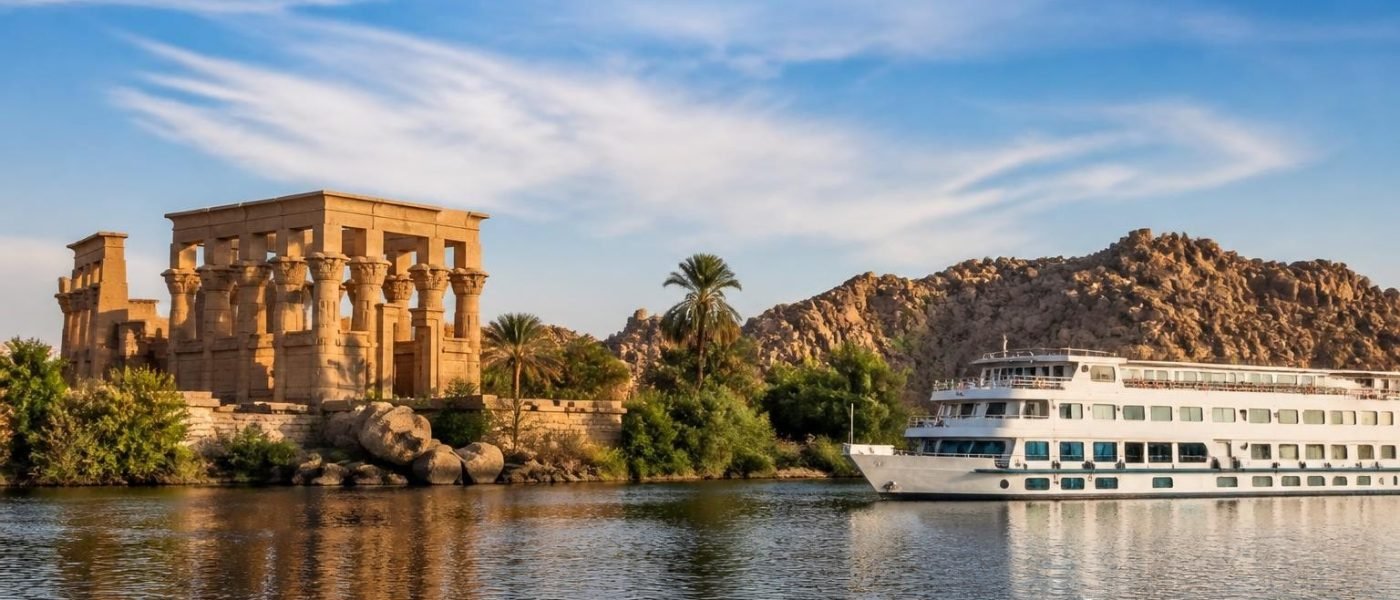
Contemporary vessels dominate the Luxor-Aswan route, offering air-conditioned cabins, swimming pools and nightly entertainment. Standards vary enormously between three-star and five-star categories.
Five-star ships typically feature:
- Spacious suites with balconies
- Spa facilities with massage treatments
- Multiple dining venues and themed buffets
- Expert Egyptologists (not just tour managers)
- Evening lectures on pharaonic history
When you cruise the Nile Egypt aboard top-tier vessels, expect butler service, Egyptian cotton linens and carefully curated wine lists. These ships recreate golden-age travel whilst incorporating modern safety and navigation technology.
Temple Visits and Shore Excursions
Shore excursions form the heart of any Nile journey, with daily morning and afternoon temple visits guided by qualified Egyptologists. Understanding what to expect helps you prepare appropriately and engage more deeply.
Luxor: The World's Greatest Open-Air Museum
No cruise omits Luxor, where temple density reaches its peak. East Bank visits centre on Karnak Temple Complex, a vast religious compound built over 2,000 years.
The scale astonishes first-time visitors. Karnak's Great Hypostyle Hall contains 134 columns, each 21 metres tall, covered in hieroglyphic inscriptions and battle reliefs. Your guide explains how successive pharaohs added pylons, obelisks and sanctuaries to honour Amun-Ra.
West Bank excursions require early starts to beat heat and crowds. The Valley of the Kings houses 63 tombs cut into limestone cliffs, including Tutankhamun's famous burial chamber. Most tickets permit three tomb entries, so choose carefully based on your guide's recommendations.
Edfu and Kom Ombo: Perfectly Preserved Ptolemaic Temples
These riverside temples represent Egypt's Ptolemaic period when Greek rulers adopted pharaonic building traditions. Edfu's Temple of Horus remains the best-preserved cult temple in Egypt, with intact roof, columns and reliefs.
Horse-drawn carriages transport cruise passengers from Edfu's riverbank through town to the temple. This journey itself offers wonderful glimpses of provincial Egyptian life far removed from tourist centres.
Kom Ombo occupies a unique position on a promontory overlooking the Nile. Its symmetrical design honours two gods equally: Sobek the crocodile deity and Horus the falcon. Evening visits under floodlights create atmospheric photography opportunities.
Aswan: Nubian Culture and Engineering Marvels
Aswan marks most cruises' southern terminus, where Nubian culture adds vibrant colours and distinct traditions to your Egyptian experience. Philae Temple sits on an island reached by motorboat, dedicated to Isis and relocated stone-by-stone when the High Dam created Lake Nasser.
The Unfinished Obelisk remains in its granite quarry, revealing ancient stone-working techniques. Had workers completed this 42-metre monolith, it would have weighed 1,200 tonnes, making it Egypt's largest obelisk.
Many travellers extend their time here to visit Abu Simbel, Ramesses II's monumental temples 280 kilometres south. Whilst technically on Lake Nasser rather than the river proper, these UNESCO sites justify the pre-dawn coach journey or domestic flight.
Recent research published by Springer Nature on Nile riverbed changes highlights how dam construction altered sedimentation patterns, affecting both navigation and archaeological preservation along the route.
Timing Your Nile Cruise: Seasons and Weather
When you cruise the Nile Egypt significantly affects your comfort, costs and crowd levels. Egypt's climate varies dramatically between winter and summer, with corresponding impacts on the river journey.
Peak Season: October Through March
Winter months deliver ideal conditions for temple exploration. Daytime temperatures range between 20-25°C, perfect for walking through sun-baked ruins without excessive heat.
Peak season advantages:
- Comfortable temperatures for shore excursions
- Minimal rainfall (Egypt averages just 25mm annually)
- Fuller cruise schedules with daily departures
- Expert guides and premium vessels widely available
December through February represents absolute peak, when European and North American visitors escape winter. Book at least three months ahead during this period, particularly for Christmas and New Year sailings.
January offers excellent value immediately after holiday premiums drop. You'll still enjoy pleasant weather whilst securing better rates than December.
Shoulder Season: April and September
These transitional months balance reasonable weather against lower prices and reduced crowds. April temperatures climb towards 30°C but remain manageable for early-morning temple visits.
September sees temperatures begin their autumn decline, though heat lingers from summer peaks. Both months suit budget-conscious travellers willing to accept warmer conditions for 20-30% savings.
Low Season: May Through August
Summer heat exceeds 40°C regularly, making midday excursions genuinely unpleasant. Most vessels reduce schedules or cease operations entirely during July and August.
Only consider summer cruises if extreme heat doesn't affect you or if extraordinary discounts justify the discomfort. Even then, plan temple visits for dawn and late afternoon, spending midday aboard in air-conditioned comfort.
Practical Considerations Before You Book
Successful Nile cruises require advance planning beyond simply choosing dates and vessels. These practical elements ensure smooth experiences from booking through disembarkation.
Visa Requirements and Entry Formalities
British, American, Canadian and Australian passport holders require tourist visas for Egypt. You can obtain these as e-visas before travel through the official Egypt e-Visa portal or purchase on arrival at Cairo or Luxor airports.
E-visas cost $25 USD and arrive by email within seven business days. This option eliminates airport queues and provides certainty before departure. Single-entry visas permit 30-day stays, sufficient for any Nile itinerary.
Ensure your passport shows six months' validity beyond your planned departure date. Immigration officials strictly enforce this requirement, denying boarding to passengers with insufficient validity.
Health and Safety Precautions
Egypt poses minimal health risks for Nile cruise passengers. Vessels maintain high sanitation standards, with purified water systems and carefully sourced ingredients.
Essential health measures include:
- Comprehensive travel insurance covering medical evacuation
- Routine vaccinations (tetanus, hepatitis A)
- Sun protection (SPF 50+ cream, wide-brimmed hats)
- Prescription medications in original packaging
- Anti-diarrhoeal tablets for precautionary use
Tap water aboard ships comes from treated municipal supplies or reverse-osmosis systems. Nevertheless, drink bottled water exclusively and use it for teeth brushing to avoid stomach upsets.
Temple sites involve considerable walking on uneven surfaces. Comfortable footwear with ankle support prevents twisted ankles on ancient paving stones. Many tombs require descending steep staircases into underground chambers.
Tipping Expectations and Onboard Spending
Egyptian culture expects gratuities for service staff, with cruise employees relying on tips to supplement modest wages. Budget approximately £40-60 per person for crew tips distributed at journey's end.
Ships provide tipping envelopes and guidance about appropriate amounts for cabin stewards, restaurant servers and cruise directors. Some vessels pool tips for equal distribution, whilst others permit individual recognition.
Onboard expenses remain modest. Beverages beyond meals incur charges, as do spa treatments, laundry and gift shop purchases. Most ships accept major credit cards, though carrying Egyptian pounds proves useful for shore excursions and local purchases.
Creating Unforgettable Nile Memories With Expert Guidance
The difference between adequate and extraordinary Nile experiences often comes down to guide quality and itinerary customisation. Cookie-cutter tours miss opportunities for deeper engagement that specialist operators build into their programmes.
The Value of Egyptologist-Led Tours
Qualified Egyptologists transform temple visits from sightseeing into storytelling. These university-trained specialists read hieroglyphs, explain religious symbolism and contextualise monuments within Egypt's complex dynastic history.
When you cruise the Nile Egypt with expert guides, temples become narrative stages. At Karnak, your Egyptologist explains how pharaohs used architecture for propaganda, pointing out where Hatshepsut's inscriptions were defaced and later restored. In the Valley of the Kings, they decode tomb paintings that mapped the deceased's journey through the underworld.
Guides like Momo bring additional dimensions through humour and contemporary connections. They compare ancient medical practices to modern techniques, explain how hieroglyphic puns worked, and share archaeological discoveries that rewrote historical understanding.
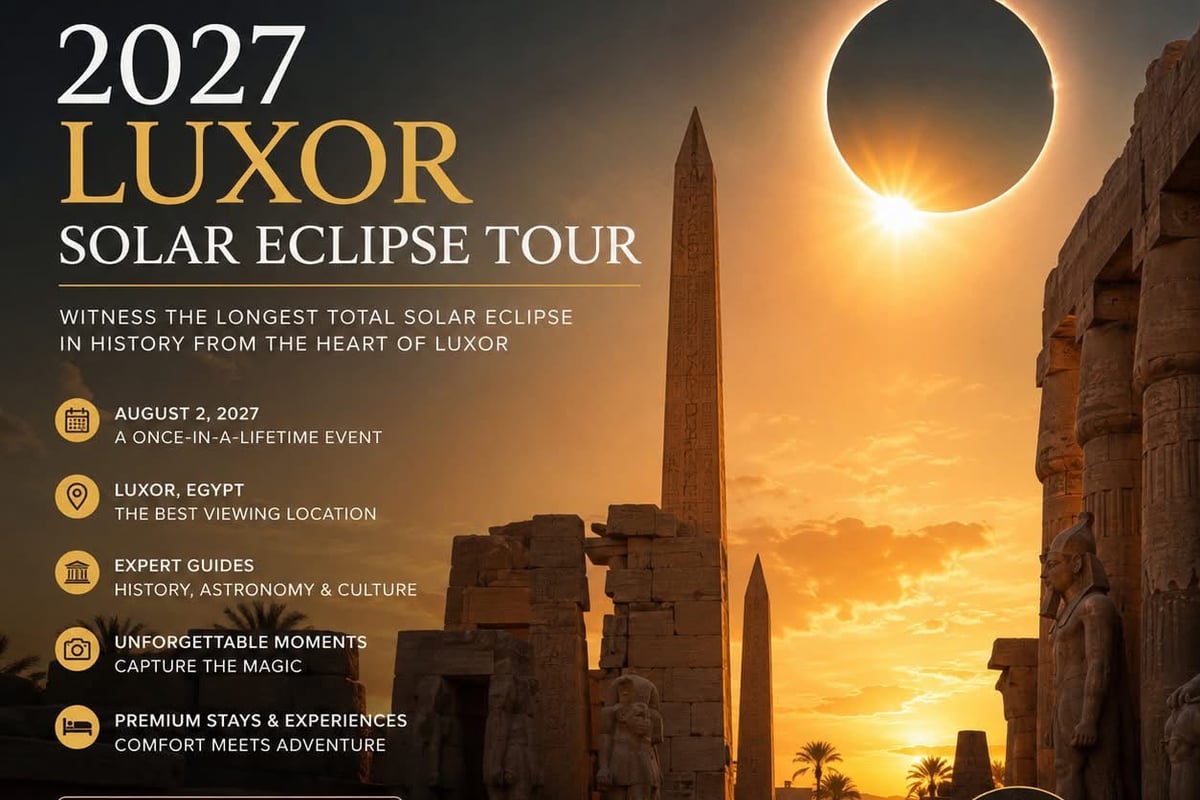
For those visiting in 2027, Egypt Total Solar Eclipse Tours 2027 offer once-in-a-lifetime opportunities to witness over six minutes of totality above Luxor's temples whilst expert guides explain ancient solar worship. These specialised packages demonstrate how thoughtful itinerary design elevates standard tours into exceptional experiences.
Customisation Options Beyond Standard Itineraries
Standard cruise itineraries cover essential sites efficiently but rarely accommodate personal interests or special requests. Tailor-made programmes adjust timing, add specialist visits and incorporate experiences unavailable on group tours.
Customisation possibilities include:
- Private tomb openings arranged through antiquities authorities
- Hot air balloon flights over Luxor at sunrise
- Nubian village visits with home-cooked lunches
- Photography-focused schedules for optimal lighting
- Extended time at preferred sites instead of rushed group timing
Luxury Nile cruises increasingly offer these bespoke elements, recognising that affluent travellers value unique access over standardised programmes. When you work with experienced operators, they leverage local relationships to arrange permissions and experiences impossible through DIY booking.
Combining Nile Cruises With Wider Egypt Exploration
Whilst the Luxor-Aswan route showcases pharaonic Egypt magnificently, limiting yourself to river experiences means missing other essential destinations. Thoughtful itinerary planning integrates Nile cruises within comprehensive Egypt journeys.
Cairo: Pyramids, Museums and Islamic Heritage
Most international visitors arrive through Cairo, making it a natural addition before or after your cruise. The capital demands at least three days to properly explore Giza Plateau, Egyptian Museum and Islamic Cairo's medieval architecture.
Cairo packages typically combine with Nile cruises in seven to ten-day itineraries. This sequencing works well because Cairo's urban intensity contrasts beautifully with the river's peaceful rhythms.
The Pyramids alone justify the addition. Standing beside Khufu's Great Pyramid, the only surviving ancient wonder, creates indelible memories. When your Egyptologist explains construction theories and burial practices, you understand how pyramid-building led to the temple architecture you'll encounter upstream.
Red Sea Extensions: Beach Relaxation After Cultural Immersion
Egypt's Red Sea coast offers world-class diving, snorkelling and beach resorts perfect for post-cruise unwinding. Hurghada and Sharm el-Sheikh provide direct flights from Luxor or Cairo, eliminating backtracking.
Three to four beach days let you process the cultural intensity of temple visits whilst enjoying Egypt's marine environment. The contrast refreshes you before long-haul flights home, particularly valuable for families with children who've absorbed maximum pharaonic history.
Practical guidance from sources like Lonely Planet’s Nile cruise guide helps travellers understand how to sequence destinations efficiently, though local specialists provide superior insider knowledge.
What to Pack for Your Nile Cruise
Strategic packing ensures comfort throughout your journey without excess luggage. Nile cruises require different items than typical beach holidays or city breaks.
Clothing Essentials for Temple Visits and Shipboard Life
Egypt's conservative culture expects modest dress at religious sites, though cruise ships maintain relaxed standards. Pack lightweight, breathable fabrics that cover shoulders and knees for shore excursions.
Essential clothing items:
- Wide-brimmed sun hat with chin strap
- Sunglasses with UV protection
- Long-sleeved cotton shirts in light colours
- Comfortable walking trousers or long skirts
- Closed-toe walking shoes with grip
- Sandals for shipboard wear
- Light cardigan for air-conditioned spaces
- Smart-casual dinner outfits
Many ships host galabieh parties where passengers wear traditional Egyptian robes. These garments are available cheaply in Luxor souks, creating fun photo opportunities and supporting local artisans.
Photography Equipment and Technical Considerations
Egypt's temples offer extraordinary photographic opportunities, from colossal statues to intricate hieroglyphic details. Serious photographers should pack accordingly whilst respecting site regulations.
Most temples permit photography without flash, though some tombs prohibit cameras entirely or charge photo fees. The Valley of the Kings banned photography completely to preserve fragile pigments, so experiencing these spaces means putting cameras away.
Photography recommendations:
- DSLR or mirrorless camera with 24-70mm lens
- Wide-angle lens for temple interiors
- Polarising filter to reduce glare
- Extra batteries (charging aboard is straightforward)
- Memory cards with ample capacity
- Lightweight tripod for low-light situations
Smartphone cameras now produce excellent results, particularly newer models with computational photography. These prove sufficient for most travellers, eliminating equipment weight whilst capturing memories effectively.
Dining Aboard: Cuisine and Meal Expectations
Food quality varies considerably between cruise categories, though even budget vessels maintain reasonable standards. Understanding meal formats and dietary accommodations helps set appropriate expectations.
Typical Meal Service and Egyptian Specialties
Most cruises operate buffet-style breakfast and lunch with plated table service dinners. Menus blend international dishes with Egyptian specialties, accommodating diverse palates whilst introducing regional flavours.
Egyptian dishes frequently featured:
- Koshari (lentils, rice, pasta with tomato sauce)
- Molokhia (jute leaf soup with garlic)
- Grilled kofta and shawarma
- Mezze platters with hummus, baba ganoush
- Om Ali (bread pudding dessert)
- Fresh mango and guava juices
Five-star vessels employ trained chefs who prepare sophisticated cuisine rivalling land-based fine dining. These ships often feature theme nights: Nubian feasts, seafood grills or Italian evenings that add variety to multi-day journeys.
Dietary Requirements and Special Requests
Modern cruise lines accommodate vegetarian, vegan, gluten-free and religious dietary requirements with advance notice. When booking, specify restrictions clearly so kitchens prepare appropriately.
Vegetarians fare particularly well in Egypt, where falafel, stuffed vegetables and bean dishes dominate traditional cuisine. Vegans require more attention but find willing accommodation aboard quality vessels.
Food safety standards aboard ships exceed many land-based Egyptian restaurants. Ingredients arrive from approved suppliers, kitchens maintain international hygiene protocols, and staff receive regular training in food handling procedures.
Understanding Nile Navigation and River Rhythms
The Nile's geography creates distinct sailing patterns that affect your daily schedule. Understanding these rhythms helps you appreciate the journey beyond individual temple visits.
Locks, Current and Sailing Speeds
Vessels travel approximately 24 kilometres daily when under way, though mooring for temple visits means actual distances vary. The Esna Lock controls water levels between different river sections, creating the cruise's major potential delay.
Built in 1906, this single lock handles hundreds of vessels during peak season. Waiting times range from one hour to half a day depending on traffic, timing and priorities assigned by lock operators. Smart cruise directors use lock time for onboard lectures or swimming pool relaxation rather than frustration.
Northbound journeys benefit from current assistance, making slightly better time than southbound sailings. However, the difference proves negligible given that ships moor nightly rather than sailing continuously.
Wildlife and Natural Scenery Between Sites
Between monumental stops, the Nile corridor reveals agricultural Egypt largely unchanged for centuries. Buffalo wade in shallows, egrets hunt along banks and farmers work green fields using methods their great-grandparents employed.
This living landscape contextualises ancient monuments beautifully. You understand why Egypt called itself "the gift of the Nile" when you witness how the river sustains intensive farming just metres from surrounding desert.
Bird-watching opportunities abound, particularly during European winter when migrant species join resident populations. Bring binoculars to spot hoopoes, kingfishers and various heron species from your cabin balcony.
Booking Strategies for Best Value and Experience
Securing excellent Nile cruise value requires understanding booking windows, price structures and quality indicators that separate premium experiences from disappointing ones.
When to Book for Optimal Pricing
Nile cruise pricing operates on supply-demand principles, with costs fluctuating based on season, booking timing and vessel occupancy. Understanding these patterns helps you secure better value.
Booking timeline recommendations:
- Peak season (December-February): Book 4-6 months ahead
- Shoulder season (October-November, March-April): Book 2-3 months ahead
- Last-minute deals: Available 2-4 weeks before departure in low season
Early booking guarantees cabin choice and preferred departure dates but rarely delivers actual savings. Egyptian tourism operators frequently discount unsold inventory as departure approaches, particularly outside peak periods.
However, last-minute booking gambles on availability. Premium vessels and popular dates sell out entirely, leaving only inferior ships or inconvenient timing. Most travellers benefit from booking two to three months ahead, securing reasonable rates without excessive advance planning.
Quality Indicators Beyond Star Ratings
Official star ratings provide rough guidance but don't reliably predict actual experience quality. Savvy travellers assess additional factors when selecting vessels and operators.
Critical quality markers include:
- Recent passenger reviews on independent platforms
- Egyptologist qualifications (university degrees versus basic tour manager certificates)
- Vessel age and last major refurbishment date
- Cabin size and balcony availability
- Included versus optional shore excursions
- Group size limitations
When you cruise the Nile Egypt through specialist operators like My Way To Egypt, you benefit from direct relationships with premium vessels and guides. These operators personally inspect ships, train guides and maintain quality standards that booking platforms cannot guarantee.
A Nile cruise delivers Egypt's ancient treasures in comfort and style, connecting you to civilisations that flourished when the river was humanity's highway. Whether you choose intimate dahabeya sailing or luxury ship amenities, this journey reveals pharaonic wonders whilst expert guides transform stone monuments into living history. My Way To Egypt creates tailor-made Nile experiences that match your interests, pace and budget, combining carefully selected vessels with our passionate Egyptologists who bring every temple to life through fascinating stories and local insight.