
Why watch the 2027 solar eclipse from Luxor?
Luxor sits near the point of maximum totality — 6 min 23 sec of darkness over Karnak Temple & the Nile, with 80%+ clear-sky odds on August 2, 2027.
Totality at 10:22AM begins 10:22:09, lasts 6 min 23 sec, longest until 2114
80% clear skies August is Luxor’s driest month, near-zero rain
Best spots Karnak, Luxor Temple, Valley of the Kings, or Nile cruise deck
From $5,200pp 7-day private tour, book by early 2027 (spaces limited)
On August 2, 2027, the sky above Luxor, Egypt will go dark at midday. For 6 minutes and 23 seconds — the longest total solar eclipse visible from land until the year 2114 — the Moon will completely cover the Sun, temperatures will drop, stars will appear in the afternoon sky, and one of the greatest ancient cities on Earth will fall silent beneath the Moon’s shadow.
This is not just any solar eclipse. And Luxor is not just any location.
The path of totality passes directly over Luxor’s temples, its Nile-side promenades, and the Valley of the Kings. Nowhere else on the eclipse’s path combines this duration, this certainty of clear skies (over 80% historical probability in August), and this depth of ancient setting. If you are planning to witness the total solar eclipse in 2027, Luxor is where you need to be.
This guide covers everything: the eclipse science, the best viewing spots in Luxor, what to expect on the day, practical planning advice, and how to book a fully guided eclipse tour so you don’t have to figure it out alone.
What Makes the 2027 Total Solar Eclipse So Extraordinary
Total solar eclipses happen roughly every 18 months somewhere on Earth — but most last only 1 to 3 minutes. The August 2, 2027 eclipse is different. Its maximum totality reaches 6 minutes and 23 seconds, making it the longest total solar eclipse that will be visible from land for the next 87 years.
To put that into perspective: the famous 2024 North American eclipse lasted 4 minutes 28 seconds at its maximum. The 2017 Great American Eclipse peaked at 2 minutes 40 seconds. The 2027 eclipse nearly doubles both.
The reason for this extraordinary duration is geometry. The Moon will be near its closest point to Earth (perigee), making it appear larger than the Sun. The eclipse’s point of maximum duration falls just 37 miles (60 km) southeast of Luxor in the Eastern Desert — meaning Luxor sits almost exactly at the center of the path, giving viewers the near-maximum totality.
Here are the key numbers for Luxor specifically:
| Eclipse Detail | Luxor, Egypt — August 2, 2027 |
|---|---|
| Date | Monday, August 2, 2027 |
| Partial eclipse begins | 09:03 local time (EEST) |
| Totality begins | 10:22:09 local time |
| Maximum eclipse | 13:05:16 local time |
| Duration of totality | 6 minutes 23 seconds |
| Sun altitude at maximum | 82° above the horizon (near-overhead) |
| Historical clear sky probability | 80–82% in Luxor in August |
| Longest totality until | June 3, 2114 |
The Sun will be 82 degrees above the horizon at maximum — essentially directly overhead. This means no atmospheric haze or low-angle distortion. The view will be among the clearest possible for a total solar eclipse anywhere on Earth.
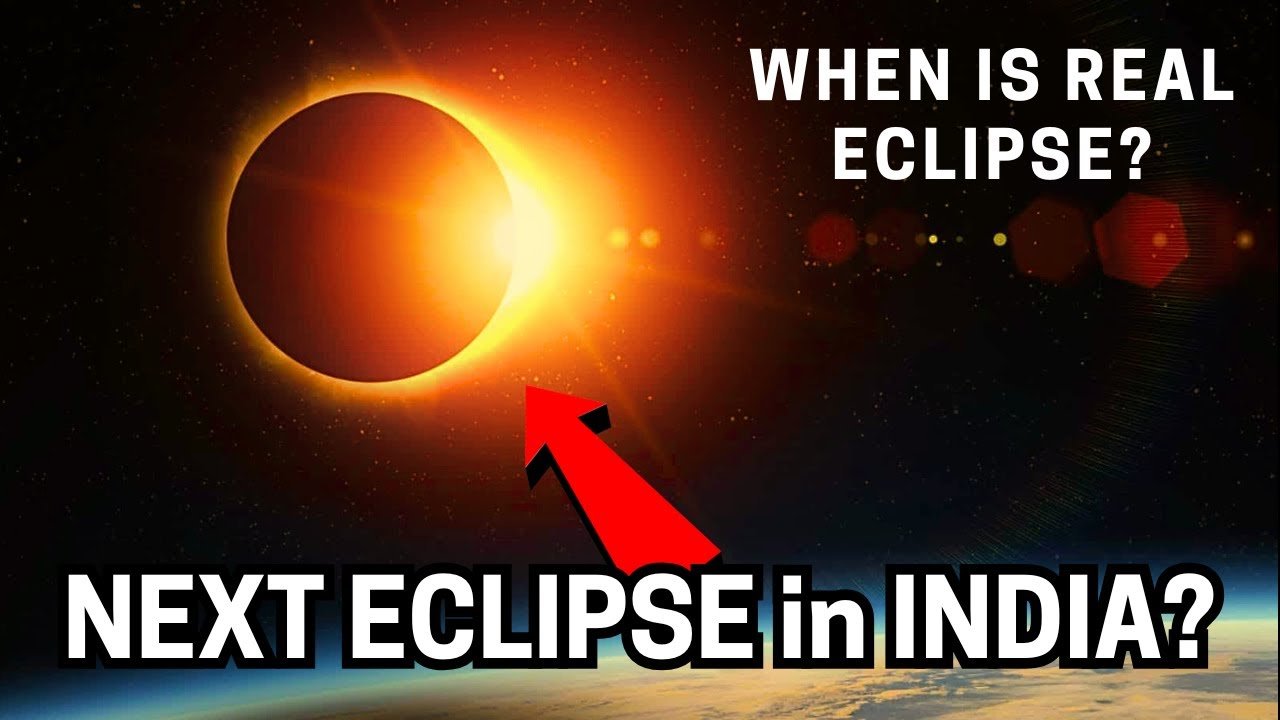
Why Luxor Is the Best Place to Watch the 2027 Solar Eclipse
The 2027 eclipse path stretches from Spain and Gibraltar across North Africa and through the Middle East, touching Spain, Morocco, Algeria, Tunisia, Libya, Egypt, Saudi Arabia, Yemen, and Somalia. Several cities fall within the path. So why is Luxor the standout choice?
Longest totality of any accessible city
Luxor sits within 60 km of the point of maximum duration, giving it among the longest totality of any major city in the eclipse path — significantly longer than cities in Spain or Morocco.
The most reliable clear skies
August in Luxor is one of the driest months on the planet. The city averages fewer than 1 mm of rainfall in August, and the historical cloud-cover probability on eclipse day is just 18–20%. Contrast this with coastal Spain or Atlantic Morocco, where August clouds are far more common. In eclipse-chasing, clear skies are everything — and Luxor has the statistics to back it up.
The most extraordinary backdrop on Earth
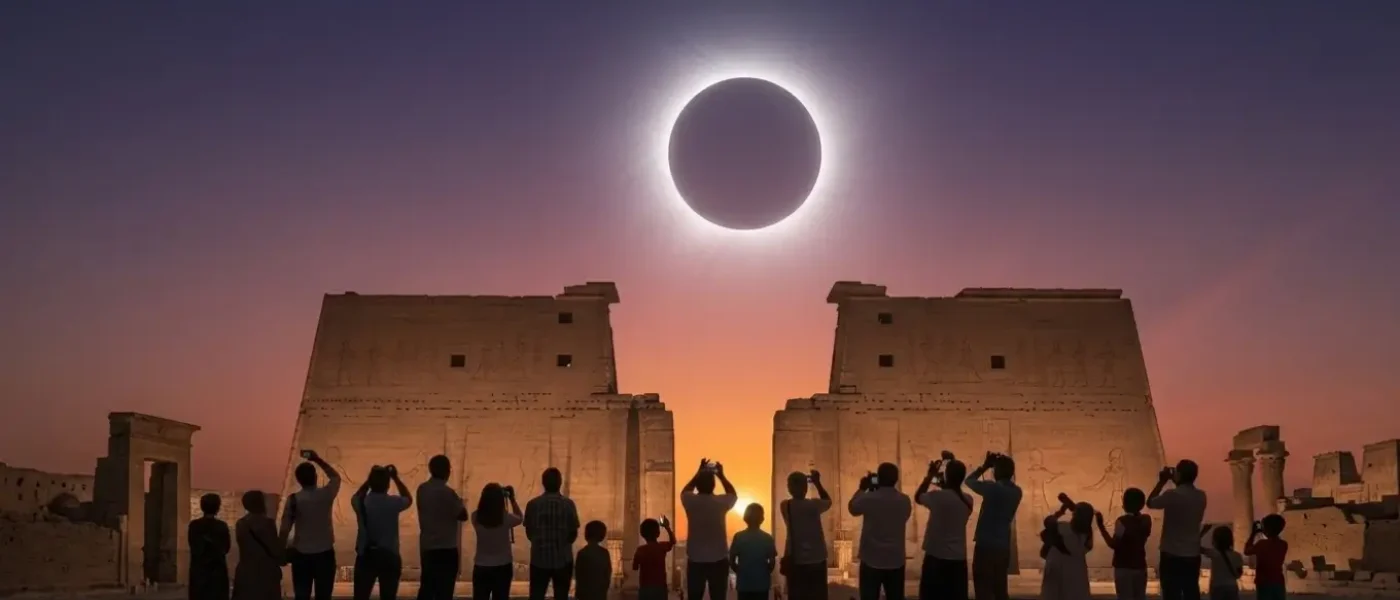
Totality over Karnak Temple. The Moon’s shadow sweeping down the Nile. Darkness falling across the Valley of the Kings. No eclipse in living memory will have a setting that comes close to this. Ancient Egyptians worshipped the Sun god Ra as their supreme deity — to witness the Sun disappear above the very temples built in Ra’s honor is an experience that transcends astronomy.
World-class infrastructure
Luxor has an international airport, a wide range of 4- and 5-star hotels, well-established private tour operators, and decades of experience hosting international visitors. Reaching your viewing spot on the morning of August 2 will not require improvisation.
The Path of Totality Over Egypt
The Moon’s shadow enters Egypt from the northwest, sweeping across the Western Desert before passing over Luxor and continuing southeast toward the Red Sea. The path of totality is approximately 260 km (160 miles) wide as it crosses Egypt — meaning the entire Luxor Governorate falls well within it.
Other Egyptian cities in the path of totality include Sohag (north of Luxor, same totality duration), Aswan (slightly shorter duration of around 5 minutes 53 seconds), and parts of the Eastern Desert. Luxor remains the optimal combination of maximum duration, sky clarity, and tourist infrastructure.
Best Viewing Spots in Luxor for the 2027 Solar Eclipse
Luxor gives eclipse viewers something no other city on the path can match: the ability to watch totality unfold against monuments that have stood for 3,500 years. Here are the most compelling viewing locations.
Karnak Temple complex
The largest ancient religious site on Earth. During totality, the avenue of ram-headed sphinxes, the towering hypostyle hall, and the sacred lake will all fall into the Moon’s shadow simultaneously. Karnak is oriented toward the rising sun — watching that sun disappear here carries a meaning that goes far beyond astronomy. Expect this site to be in high demand; organized tours will likely secure designated viewing areas.
Luxor Temple and the Nile Corniche
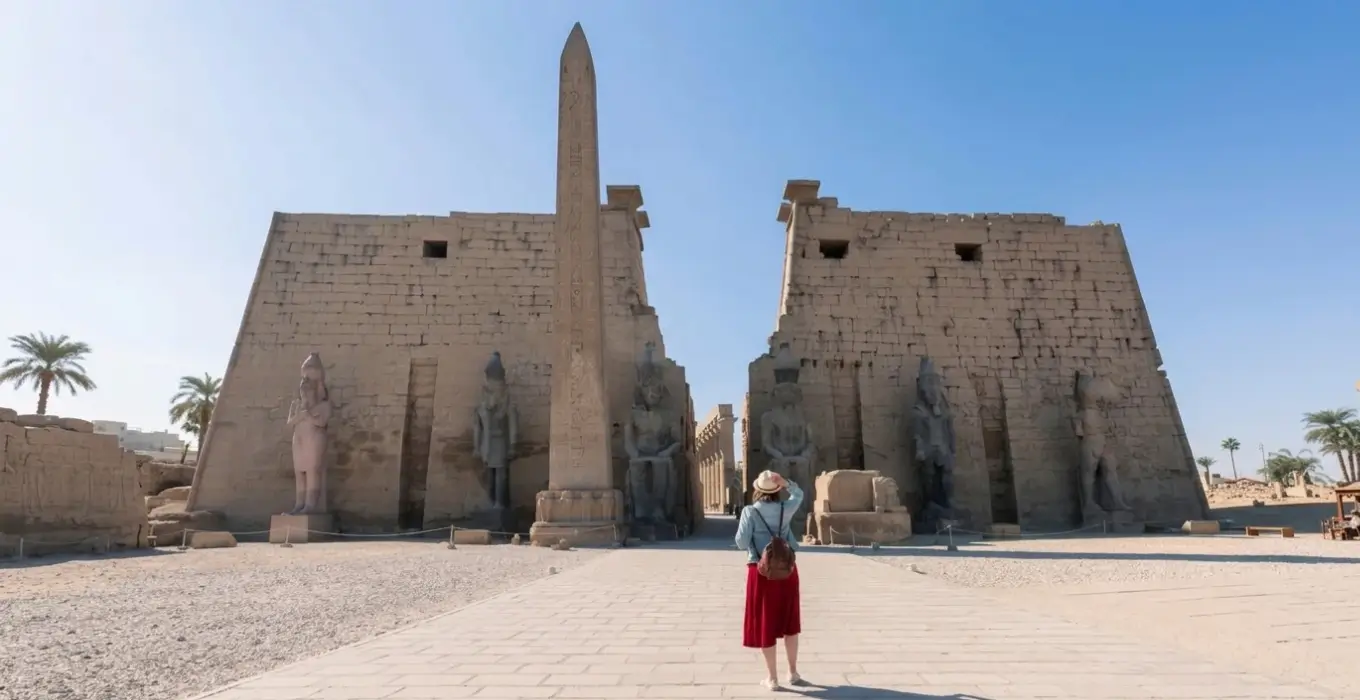
Luxor Temple stands directly on the east bank of the Nile. The wide Corniche promenade offers unobstructed views of both the sky and the temple facade — ideal for photography and for experiencing the moment totality turns the river silver-dark. This is one of the most accessible viewing spots for independent travelers.
West Bank — Valley of the Kings
For the most dramatic and least crowded experience, the West Bank is worth considering. The Valley of the Kings sits in an amphitheater of golden limestone cliffs. During totality, those cliffs — normally blazing in afternoon sun — will fall dark, and the temperature will drop noticeably. The effect in this landscape will be visceral.
Temple of Hatshepsut (Deir el-Bahari)
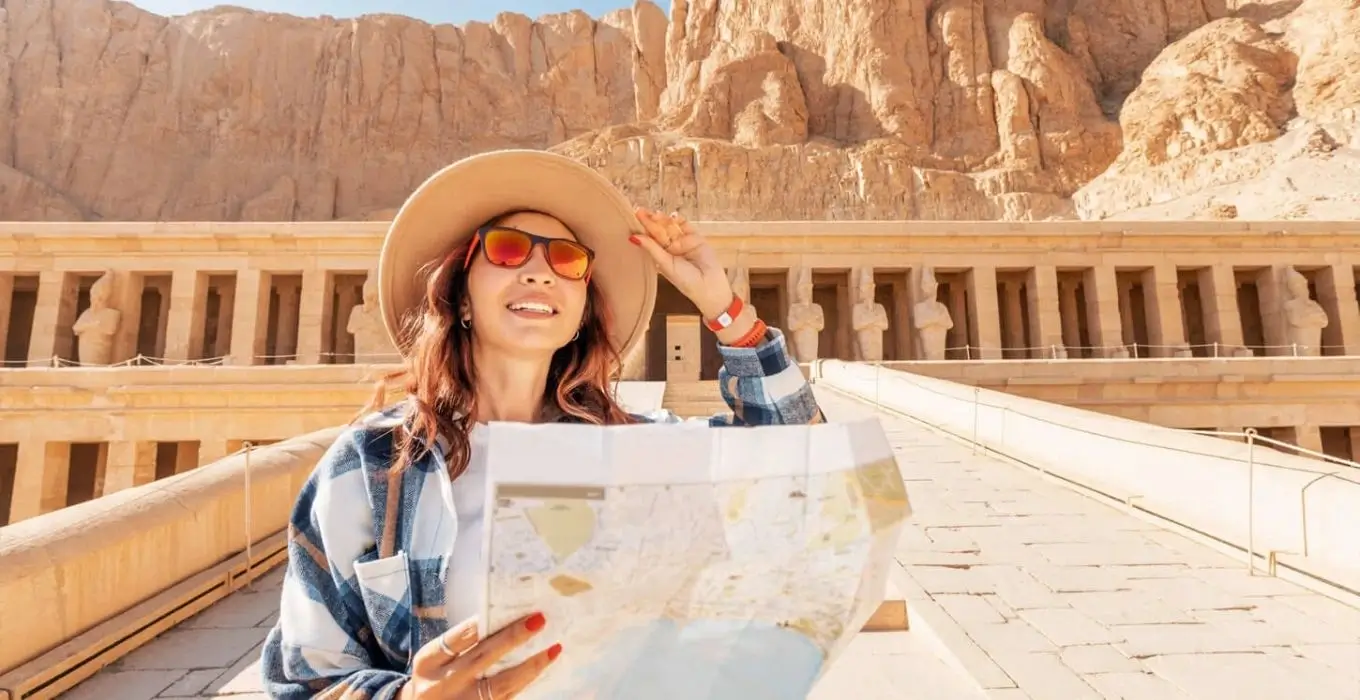
Queen Hatshepsut’s mortuary temple is carved directly into the cliff face at the foot of the Theban hills. Its three colonnaded terraces and open forecourt face east — directly toward where the Sun will be during totality. This is one of the most photogenic eclipse backdrops anywhere in the world.
Nile cruise deck
Watching totality from the deck of a Nile cruise ship as it sails between Luxor and Aswan is a uniquely Egyptian experience. The open sky, the river below, the palm-fringed banks — and then the shadow racing toward you across the water. Our 10-day tour options include Nile cruise segments timed around the eclipse.
There is a geometry to the heavens, a dance older than stone, that brings day to an abrupt halt. This is the magic of a total solar eclipse. It is a cosmic coincidence that feels both ancient and utterly new.
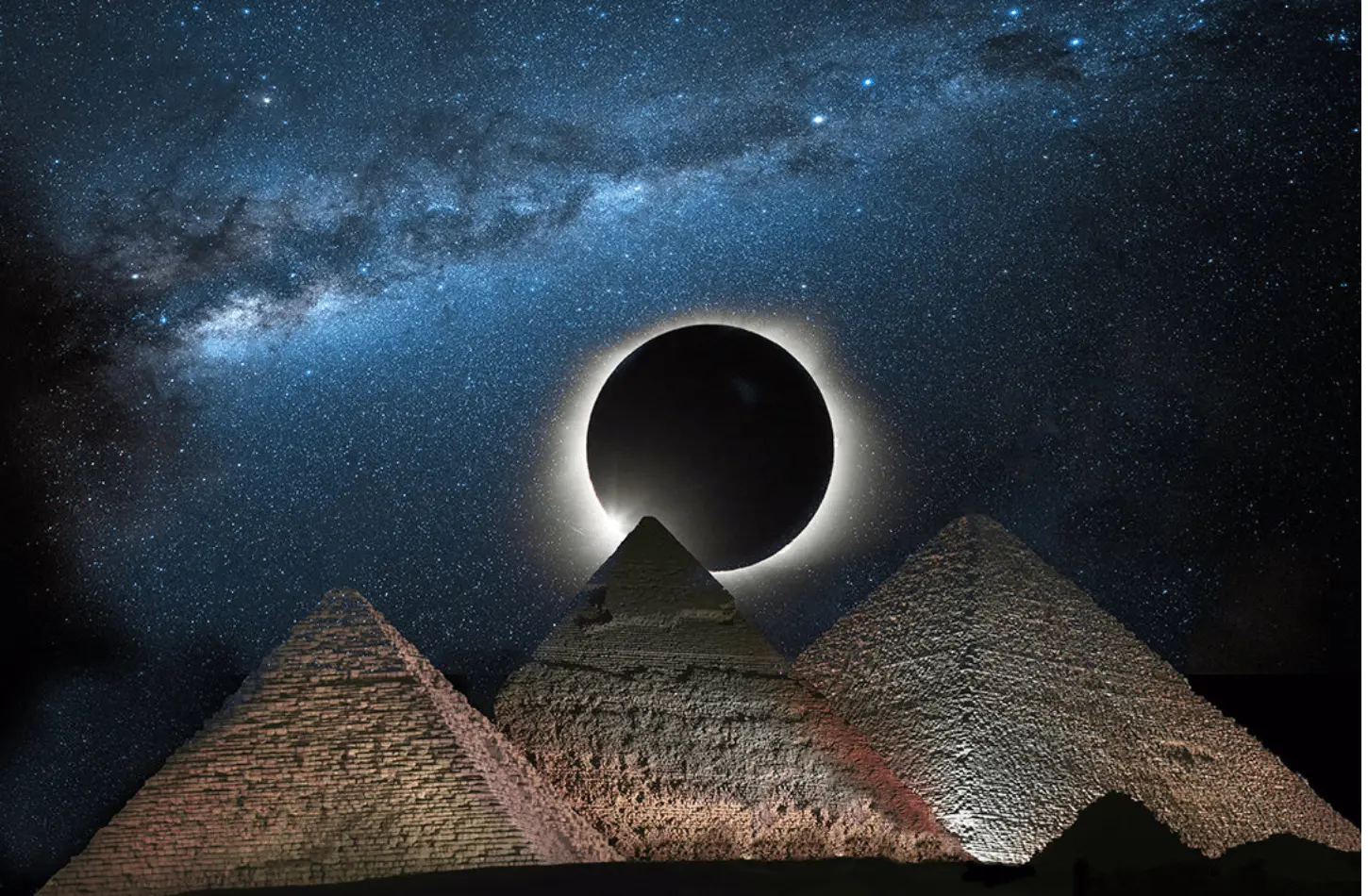
What to Expect on Eclipse Day
If you have never witnessed a total solar eclipse, no amount of reading fully prepares you for the experience. But here is what you will notice as the eclipse progresses.
From about 09:03, the partial eclipse begins — the Moon starts taking a bite out of the Sun’s disk. You will need eclipse glasses to observe this phase safely. Over the next hour, the light in Luxor will gradually become strange: colors will seem muted, shadows will sharpen, and the quality of daylight will change in a way that is hard to describe but immediately felt.
As totality approaches, the temperature will begin to drop — sometimes by 5–10°C in just a few minutes. Animals and birds will behave as though dusk has arrived. You may notice the horizon glowing in a 360-degree “sunset ring” as the sky around the Moon’s shadow remains illuminated.
Then, at 10:22:09, totality arrives. The last sliver of sunlight vanishes and the Sun’s corona — its outer atmosphere, normally invisible — bursts into view as a white halo. At this moment, and only at this moment, you can remove your eclipse glasses. The sky will be dark enough to see planets and bright stars. The air will be still. For 6 minutes and 23 seconds, you will be standing in the Moon’s shadow.
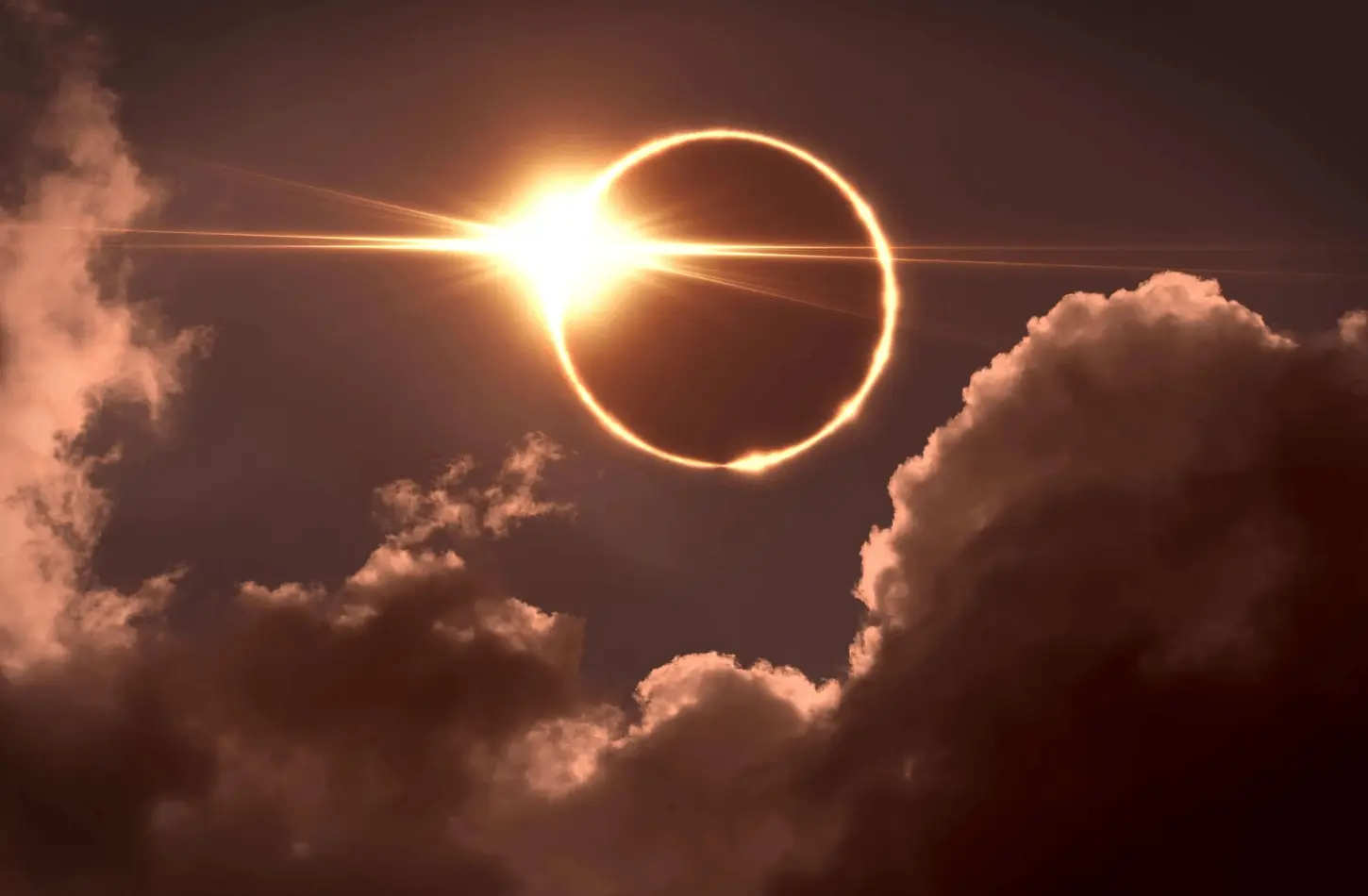
Then the light returns — first as a single point, the diamond ring effect — and it is over.
Most eclipse veterans describe the experience as one of the most emotionally overwhelming things they have ever witnessed. In Luxor, with the Nile and the temples around you, that experience will be unlike anything else.
Ancient Egypt and the Sun: Why This Location Matters
The ancient Egyptians organized their entire civilization around the Sun. Ra, the Sun god, was the supreme deity — the source of life, order, and the cycle of time. Karnak Temple was oriented to track the Sun’s movements across the year. The Abu Simbel temples, further south in Aswan, were built so that sunlight penetrates the inner sanctuary on only two days of the year.
A solar eclipse in ancient Egypt was not merely an astronomical curiosity. It was the most terrifying possible event: the death of Ra, the universe threatening to unravel. Priests would perform emergency rituals to “restore” the Sun. Commoners would beat drums and make noise to drive away the serpent Apep, who was believed to be swallowing the Sun.
Standing in Luxor — the ancient city of Thebes, the City of a Hundred Gates, the greatest center of Ra worship in the ancient world — and watching totality descend on August 2, 2027, you will understand that moment in a way no other place on Earth makes possible.
How to See the Eclipse Safely
Viewing a solar eclipse safely requires certified eclipse glasses or solar filters during all phases of the partial eclipse. The only time it is safe to look at the Sun without protection is during totality — the brief window when the Moon fully covers the Sun’s disk. The moment any sunlight returns, you must replace your glasses immediately.
Standard sunglasses, even very dark ones, are not safe for solar viewing. Use only ISO 12312-2 certified eclipse glasses or solar viewers. Our guided tours include eclipse safety briefings and proper viewing equipment as part of the experience.
Our 2027 Egypt Solar Eclipse Tours — Fully Guided, Private, All-Inclusive
My Way to Egypt has been operating Egypt tours for 25 years. Our 2027 eclipse packages are built around one simple principle: on the morning of August 2, you should have nothing to think about except looking up.
We handle the logistics — the transfers, the viewing position, the eclipse glasses, the Egyptologist guide who will give the moment historical and astronomical context — so that you can be fully present for one of the most extraordinary events of the century.
We offer three dedicated eclipse tour packages, each available as a private tour for individuals, couples, families, and small groups:
7-Day Egypt Solar Eclipse Tour — Cairo & Luxor
From $5,200 per person (double occupancy) | Private tour | 7 days
The ideal choice for first-time visitors to Egypt who want to combine the country’s greatest icons with the eclipse. Arrive in Cairo on July 30, spend two days at the Giza Pyramids, Sphinx, Egyptian Museum, and Mohamed Ali Mosque, then travel overnight by train to Luxor — the classic Egyptian way to move between cities.
Eclipse day in Luxor is the centerpiece: totality at 10:22:09, with a guided visit to Karnak Temple either before or after, followed by the West Bank on Day 5 (Valley of the Kings, Hatshepsut Temple, Colossi of Memnon). An optional sunrise hot air balloon ride over Luxor is available on Day 6.
Includes: 3 nights Cairo (4/5★ hotel) + 3 nights Luxor (Pyramisa Hotel) · Egyptologist guide throughout · All entrance fees · Private A/C transfers · Domestic flights · Breakfast daily + selected lunches
10-Day Cairo & Nile Cruise Solar Eclipse Tour
From $7,000 per person (double occupancy) | Private tour | 10 days
The most popular choice for travelers who want the full Egypt experience. After Cairo, board a luxury Nile cruise sailing between Luxor and Aswan — visiting Karnak Temple, Luxor Temple, the Valley of the Kings, Edfu, Kom Ombo, and the temples of Aswan, with an optional excursion to Abu Simbel. The eclipse is the highlight of the journey, experienced from Luxor at the prime moment of totality.
The Nile cruise element means you can watch the eclipse from the deck of the ship — or from a prime shore position — with the river as your backdrop. This is the tour for travelers who want to do Egypt once and do it properly.
Includes: Cairo hotels + Luxury Nile cruise cabin · Egyptologist guide · All entrance fees · Private A/C transfers · Domestic flights · Breakfast daily + selected meals on board
10-Day Cairo & Dahabiya Nile Cruise Solar Eclipse Tour
From $8,350 per person (double occupancy) | Private tour | 10 days
The most exclusive option. A Dahabiya is a traditional Egyptian sailing vessel — intimate, slow-paced, private — carrying a small number of guests along the Nile in the style of 19th-century explorers. This is for travelers who want the eclipse experience with maximum luxury and minimum crowds.
The Dahabiya cruise sails between Luxor and Aswan over several days, visiting the same temples and monuments as the standard cruise but with the unhurried pace that only a private sailing vessel allows. Eclipse day is spent in Luxor, with private access to a prime viewing position.
Includes: Cairo hotels + Exclusive Dahabiya cabin · Private Egyptologist guide · All entrance fees · Private A/C transfers · Domestic flights · All meals on board
Not sure which tour fits best? Our team will help you find the right match for your dates, group size, and travel style. Request a custom itinerary here — free consultation, no commitment.
Practical Planning: What to Know Before You Go
When to book
Spaces for eclipse-dedicated tours in Luxor are strictly limited, and demand has been building since 2023. Many operators — including Sky & Telescope and Harvard Alumni Association — are already sold out or waitlist-only. We strongly recommend booking no later than early 2027, and ideally before the end of 2026. A small deposit secures your place; the balance is due closer to departure.
What to pack for eclipse viewing
Beyond standard Egypt packing (lightweight clothing, sun protection, comfortable walking shoes), you will need ISO 12312-2 certified eclipse glasses for the partial phases. A camera with a solar filter is worth bringing if you want to photograph the partial eclipse; during totality, no filter is needed. A wide-angle lens will capture the corona and the darkened sky together. A tripod is essential for totality shots.
Weather in Luxor in August
August is Luxor’s hottest month — daytime temperatures average 40°C (104°F), sometimes reaching 43°C. This sounds extreme but is well within the manageable range for short outdoor activities, especially with the infrastructure available on organized tours (shaded viewing areas, air-conditioned vehicles on standby). The heat is dry, not humid, and the skies are almost always clear. Bring a wide-brimmed hat, high-SPF sunscreen, and stay hydrated. The remarkable thing is: during those 6 minutes of totality, you will feel the temperature drop noticeably as the Sun disappears.
Visa and entry requirements
Most nationalities (including UK, US, EU, and Australian citizens) can obtain an Egypt tourist visa on arrival for USD 25, or via e-visa at the Egyptian e-Visa portal before travel. Your tour operator will confirm current requirements for your nationality at the time of booking.
Getting to Luxor
Luxor has an international airport (LXE) with direct flights from several European cities, particularly in peak season. Alternatively, fly into Cairo International Airport (CAI) and connect by domestic flight or overnight sleeper train to Luxor — the classic route used by our 7-day and 10-day tour packages.
Frequently Asked Questions About the 2027 Solar Eclipse in Luxor
Where is the best place to see the 2027 solar eclipse?
Luxor, Egypt is widely considered the best place to witness the 2027 total solar eclipse. It offers the longest duration of totality of any easily accessible city (6 minutes 23 seconds), over 80% historical probability of clear skies, and a world-famous ancient setting. The point of maximum duration — 6 minutes 23 seconds — falls 60 km southeast of Luxor in the Eastern Desert, but Luxor itself offers near-maximum totality with far better infrastructure and access.
How long is totality in Luxor during the 2027 eclipse?
Totality in Luxor lasts 6 minutes and 23 seconds. The partial phases last approximately 2 hours and 46 minutes in total (from when the Moon first touches the Sun’s disk to when it fully separates). The total event duration is 2 hours 45 minutes 55 seconds.
What time does the 2027 solar eclipse happen in Luxor?
The partial eclipse begins at approximately 09:03 local time. Totality — when the Sun is completely covered — begins at 10:22:09 local time (EEST, UTC+3). Maximum eclipse is at 13:05:16. The partial eclipse ends in the mid-afternoon. All times are local Luxor time.
Is Luxor safe to visit in August 2027?
Yes. Egypt’s major tourist areas, including Luxor, are consistently rated safe for international visitors, with millions of tourists visiting each year. My Way to Egypt provides 24/7 on-ground support and has operated in Egypt for 25 years. The main consideration for August is the heat — plan your outdoor time around the eclipse and early morning excursions, with afternoons in air-conditioned comfort.
Do I need special glasses to watch the solar eclipse?
Yes — during the partial phases (before and after totality), you must use ISO 12312-2 certified eclipse glasses. Looking at the Sun without certified protection outside of the totality window will cause permanent eye damage. During the brief window of totality only, eclipse glasses can be removed. Our guided tours include eclipse safety briefings and proper viewing equipment.
How do I book an eclipse tour to Egypt?
Browse our three dedicated Egypt Solar Eclipse Tours 2027 — ranging from 7 days to 10 days, from $5,200 per person. You can also request a custom itinerary if you want a tailored program.
Book Before Spaces Fill
August 2, 2027 is a fixed date. The eclipse cannot be rescheduled, extended, or repeated in your lifetime. The longest solar totality visible from land until 2114 will happen over Luxor whether you are there or not.
We have been taking travelers to Egypt’s wonders for 25 years. For this eclipse, we are offering limited private spaces across three carefully designed itineraries. Once they are gone, they are gone.
🌞 Secure Your Spot for the 2027 Solar Eclipse!
Explore Egypt Solar Eclipse Tours 2027 💬 WhatsApp Us Now.