
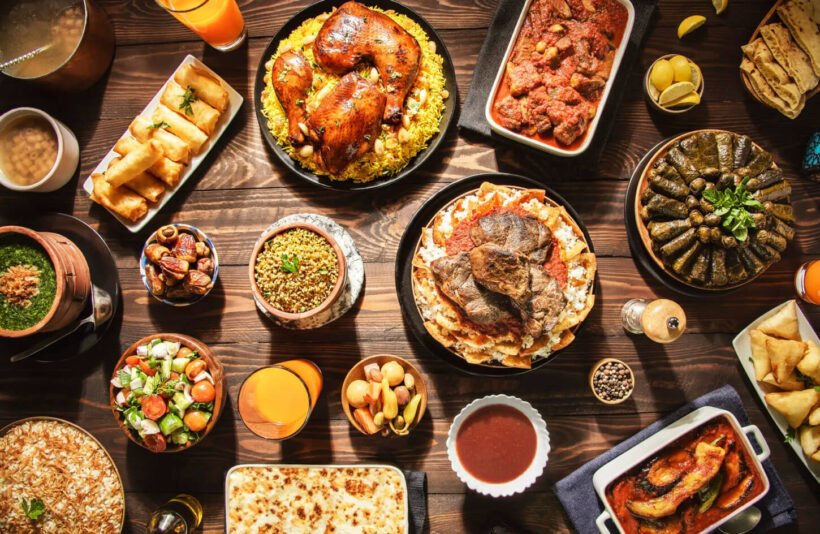
In Egypt, food is more than something you eat—it’s something you share, celebrate, and remember.
Along the banks of the Nile, where life has flourished for thousands of years, simple ingredients have been turned into dishes that carry stories of history, family, and everyday life.
Whether you’re walking through the lively streets of Cairo or sitting down for a quiet meal in a local home, traditional Egyptian food offers a warm, welcoming experience that reflects the heart of Egypt.
From humble street food to slow-cooked family recipes, every bite connects you to a culture built on generosity and tradition.
An Introduction to Egyptian Cuisine
Egyptian cuisine is one of the oldest in the world, shaped by centuries of farming along the Nile and influenced by the many cultures that have passed through the region.
At its core, it is built on simplicity—lentils, rice, fava beans, fresh vegetables, and herbs—but the way these ingredients come together is anything but ordinary.
Meals in Egypt are deeply tied to daily life. Breakfast might begin with a plate of ful medames shared with warm bread, while lunch and dinner often bring people together around dishes meant to be enjoyed communally. There’s a strong sense of comfort in Egyptian cooking—recipes passed down through generations, prepared slowly, and served with pride.
More than just food, Egyptian cuisine is an expression of identity. It reflects a way of life where hospitality is essential, and where even the simplest meal can feel generous and complete.
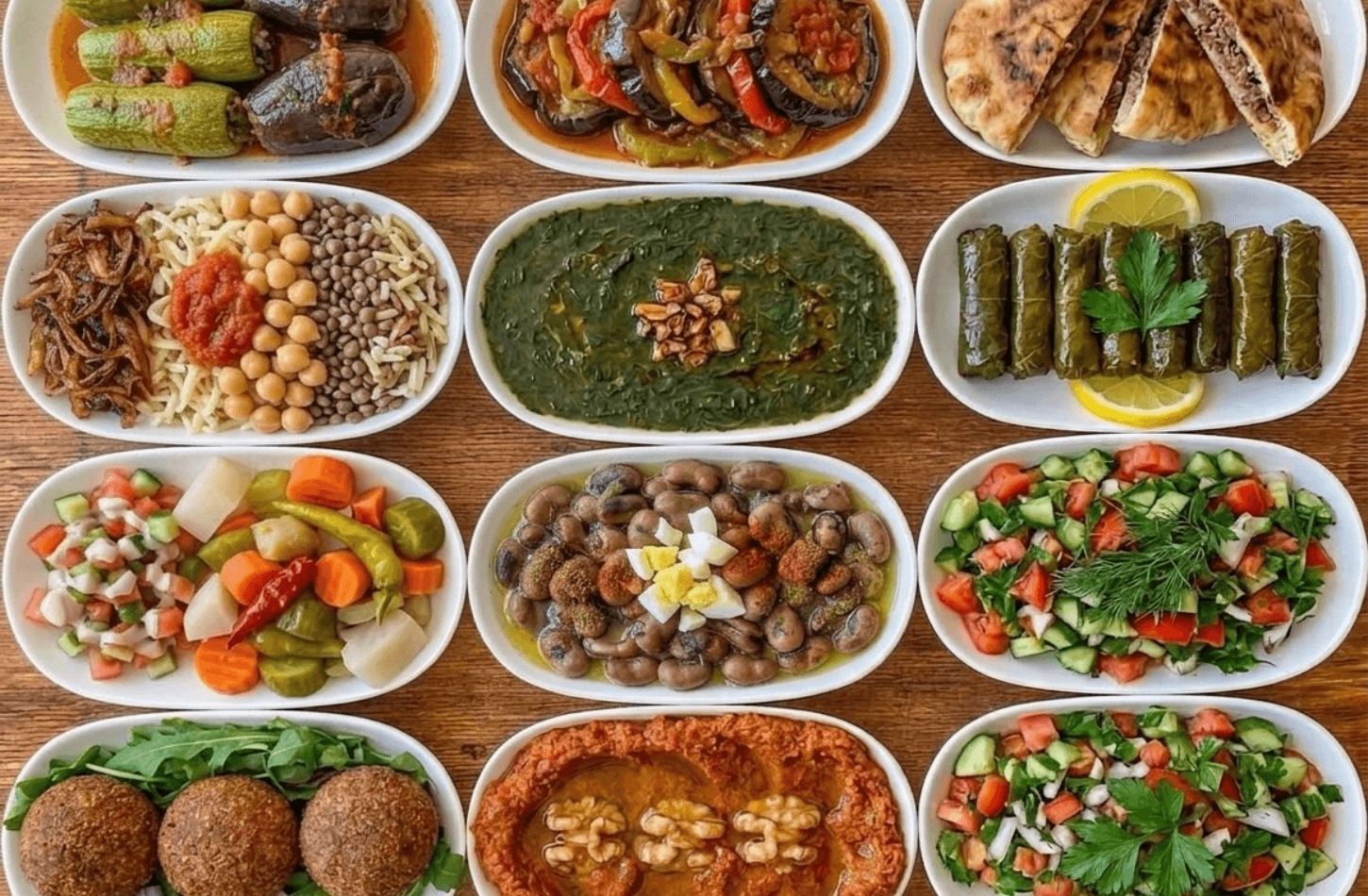
What Makes Traditional Egyptian Food Unique ?
What truly sets traditional Egyptian food apart is its connection to the land and its people.
For thousands of years, the fertile Nile Valley has provided the ingredients that define the cuisine—grains, legumes, and vegetables that are both nourishing and accessible. This is why many Egyptian dishes are naturally plant-based, hearty, and deeply satisfying.
Unlike cuisines that rely heavily on spices or complexity, Egyptian food is all about balance. Garlic, onions, cumin, and fresh herbs are used to enhance flavor rather than overpower it. The result is food that feels familiar yet distinctive, simple yet rich in character.
Another defining feature is the seamless blend between street food and home cooking. A dish you try from a street vendor in Alexandria might taste just like one made in a family kitchen.
That authenticity is what makes Egyptian cuisine so special—it doesn’t change for tourists; it invites you into everyday life.
Top 7 Must-Try Traditional Egyptian Dishes
To truly understand traditional Egyptian food, you have to experience it the way locals do—through dishes that are simple, comforting, and deeply rooted in everyday life. These meals are not just recipes; they are an essential part of Egyptian culture, shaped by history, geography, and a strong tradition of sharing.
From bustling street corners to family kitchens, these seven dishes represent the heart of Egyptian cuisine and offer a genuine taste of life in Egypt.
🥘 1. Koshari (Egypt’s National Dish)
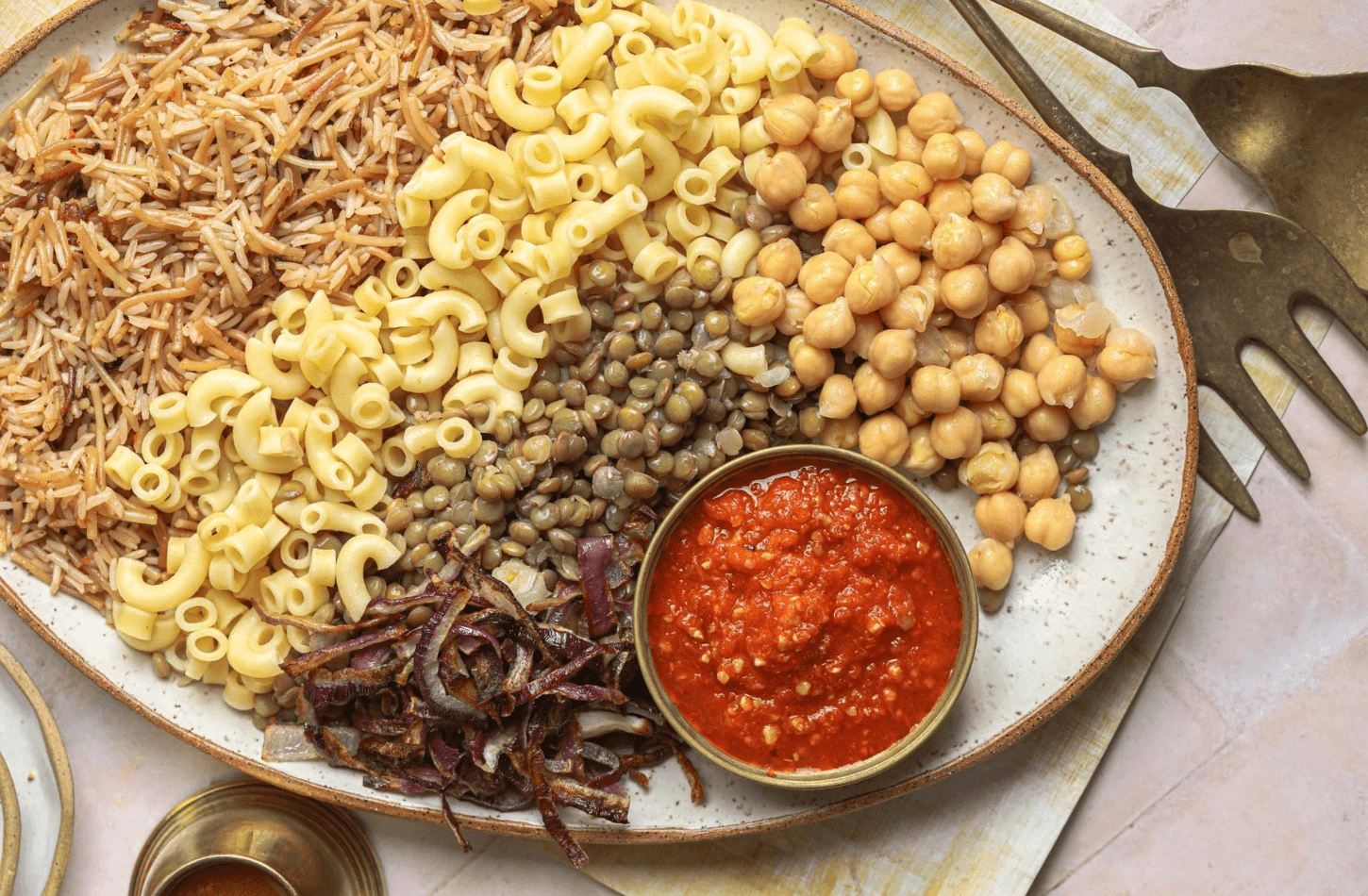
- Koshari is the ultimate comfort food and a true icon of traditional Egyptian food. It brings together rice, lentils, pasta, and chickpeas, all layered with a tangy tomato sauce and topped with crispy fried onions. The mix might sound unusual, but the result is rich, filling, and incredibly satisfying.
- You’ll find koshari everywhere, especially in busy spots across Cairo, where locals stop for a quick, affordable meal.
- Cultural note: Koshari reflects Egypt’s history of cultural exchange, combining ingredients and influences into one beloved national dish.
🌿 2. Ful Medames & Ta’ameya (Classic Egyptian Breakfast)
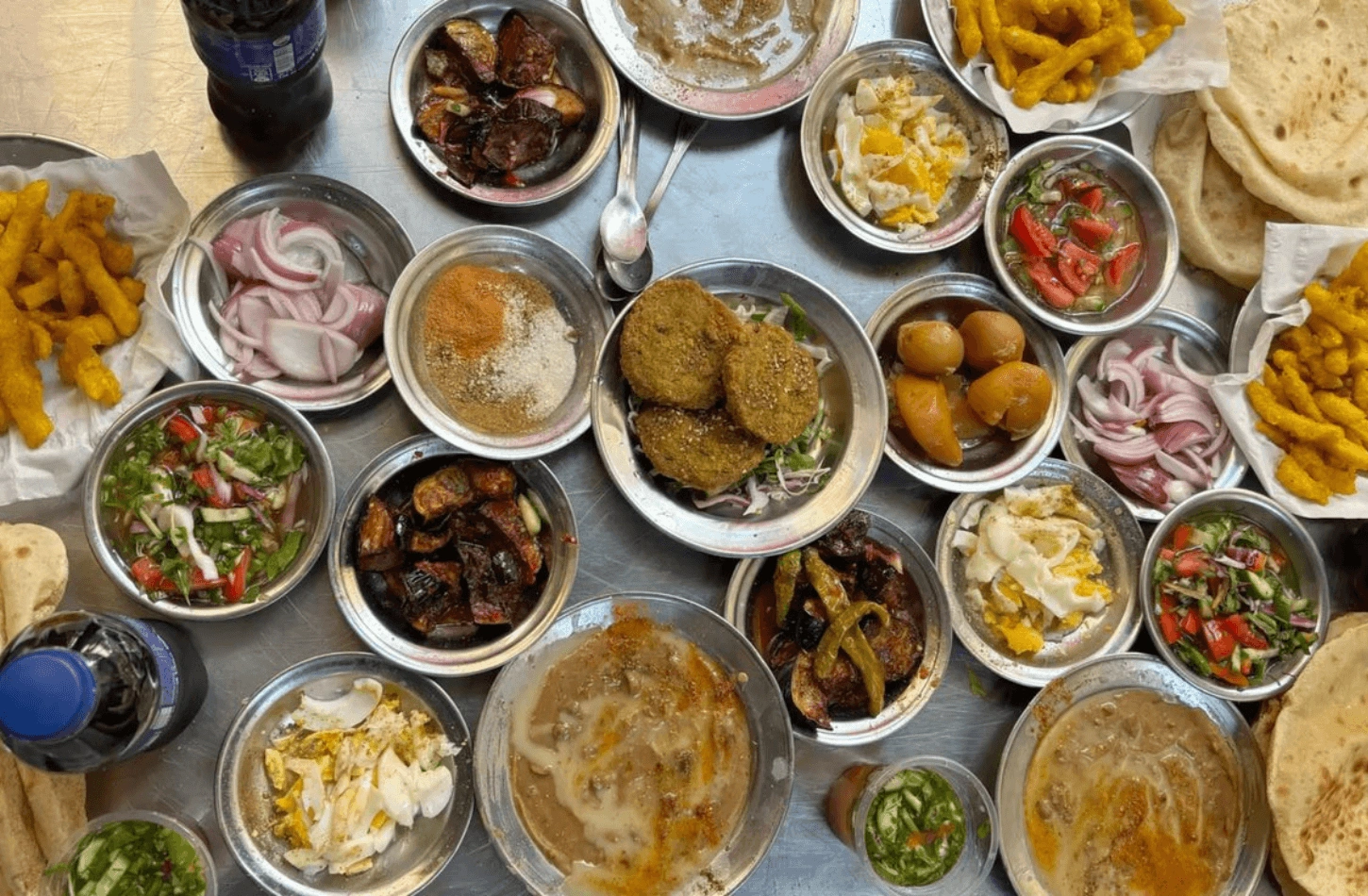
- No introduction to traditional Egyptian food is complete without ful medames and ta’ameya. Ful, made from slow-cooked fava beans, is creamy and nourishing, while ta’ameya—Egypt’s version of falafel—is crispy on the outside and soft inside, made from seasoned fava beans and herbs.
- These dishes are often enjoyed together in the early morning, served with warm bread and shared among friends or family.
- Cultural note: Breakfast in Egypt is a social ritual, and these dishes have been part of daily life for generations.
🍲 3. Molokhia (Ancient Green Soup)
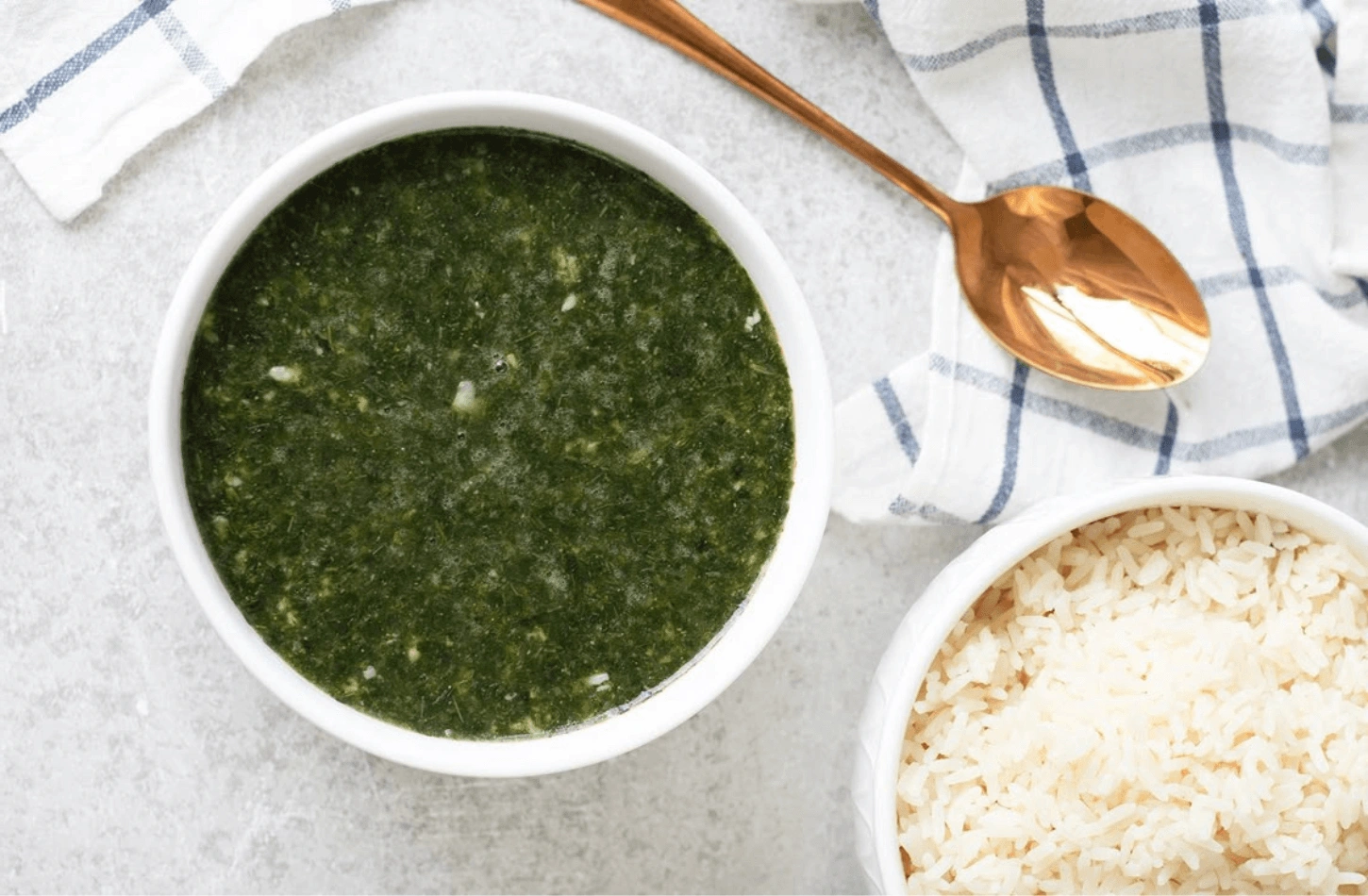
- Molokhia is one of the most distinctive dishes in traditional Egyptian food, known for its deep green color and silky texture. Made from finely chopped jute leaves cooked with garlic and coriander, it has a flavor that is both earthy and comforting.
- It’s usually served at home, often alongside rice or bread, making it a dish best experienced in a family setting.
- Cultural note: Molokhia dates back to ancient times and was once considered a dish fit for royalty.
🐟 4. Sayadiya (Fisherman’s Rice and Fish)
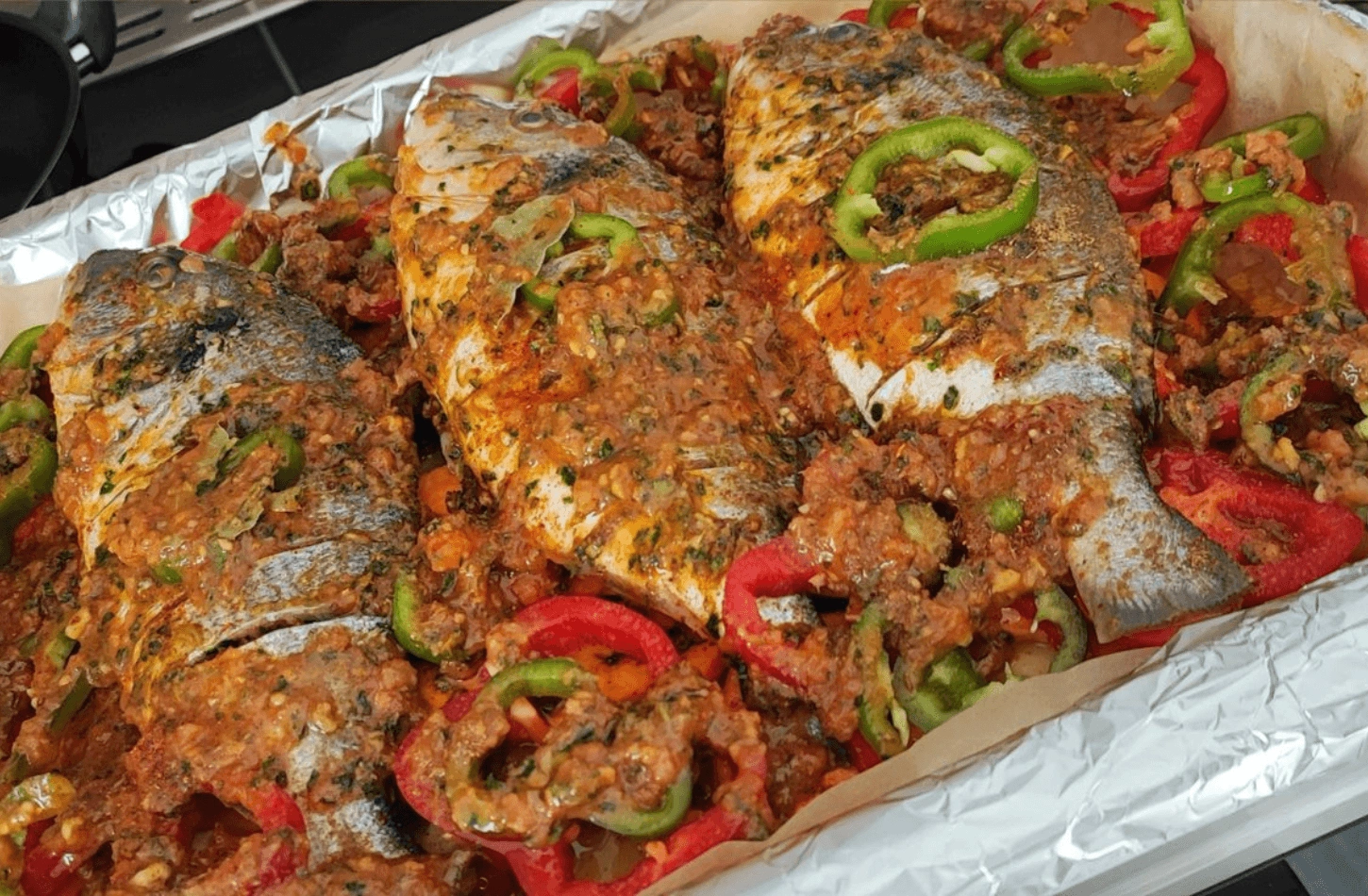
- Sayadiya is a coastal favorite, especially in cities like Alexandria. This flavorful dish combines seasoned rice with fried or grilled fish, often infused with caramelized onions and spices.
- It’s a perfect example of how traditional Egyptian food adapts to local environments, using fresh ingredients from the sea.
- Cultural note: Sayadiya reflects Egypt’s Mediterranean influence and the importance of fishing communities in coastal regions.
🫓 5. Feteer Meshaltet (Egyptian Layered Pastry)
- Feteer meshaltet is a rich, flaky pastry made by folding layers of dough with butter or ghee. It can be served savory with cheese or meat, or sweet with honey and sugar, making it incredibly versatile.
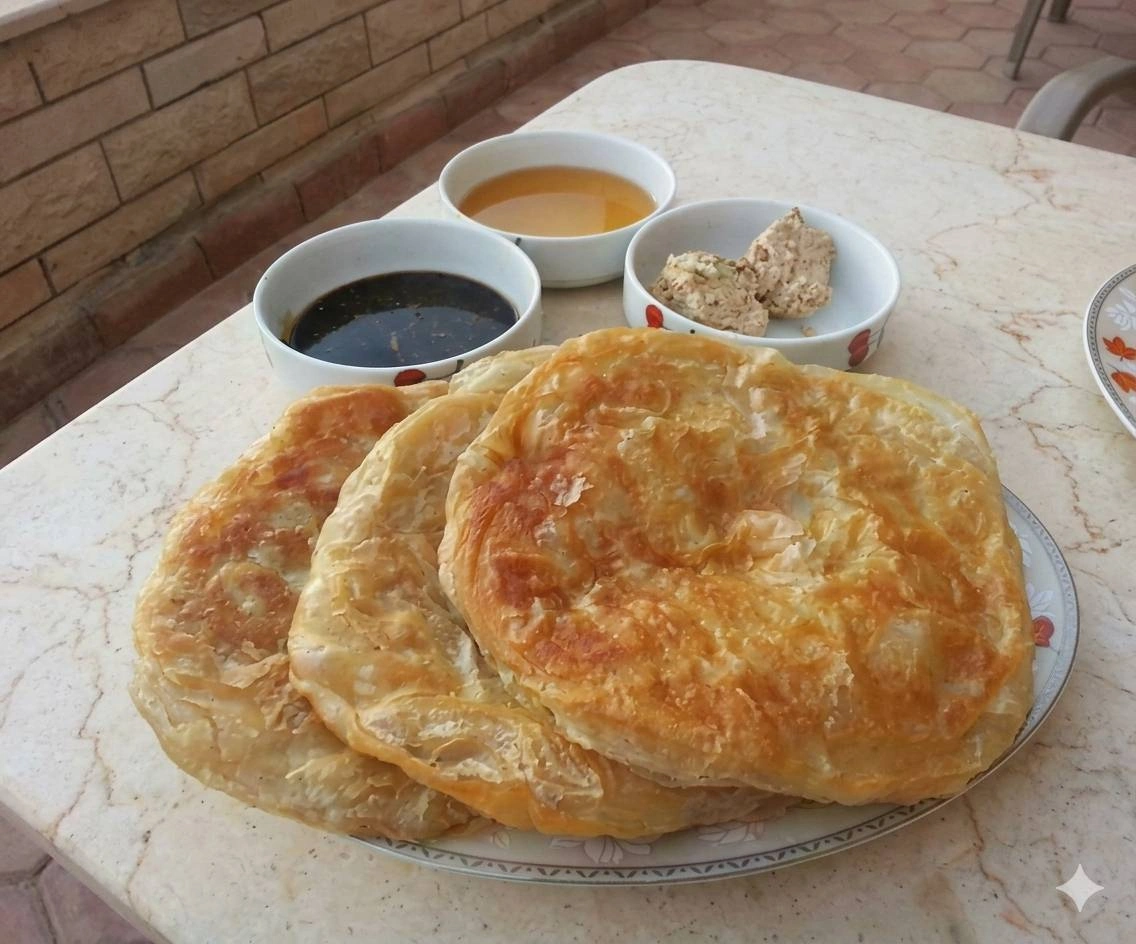
- Often enjoyed in traditional settings or countryside homes, it’s a dish meant to be shared and savored slowly.
- Cultural note: Feteer has ancient origins and was historically offered in temples, linking it to Egypt’s deep cultural heritage.
🥒 6. Mahshi (Stuffed Vegetables)
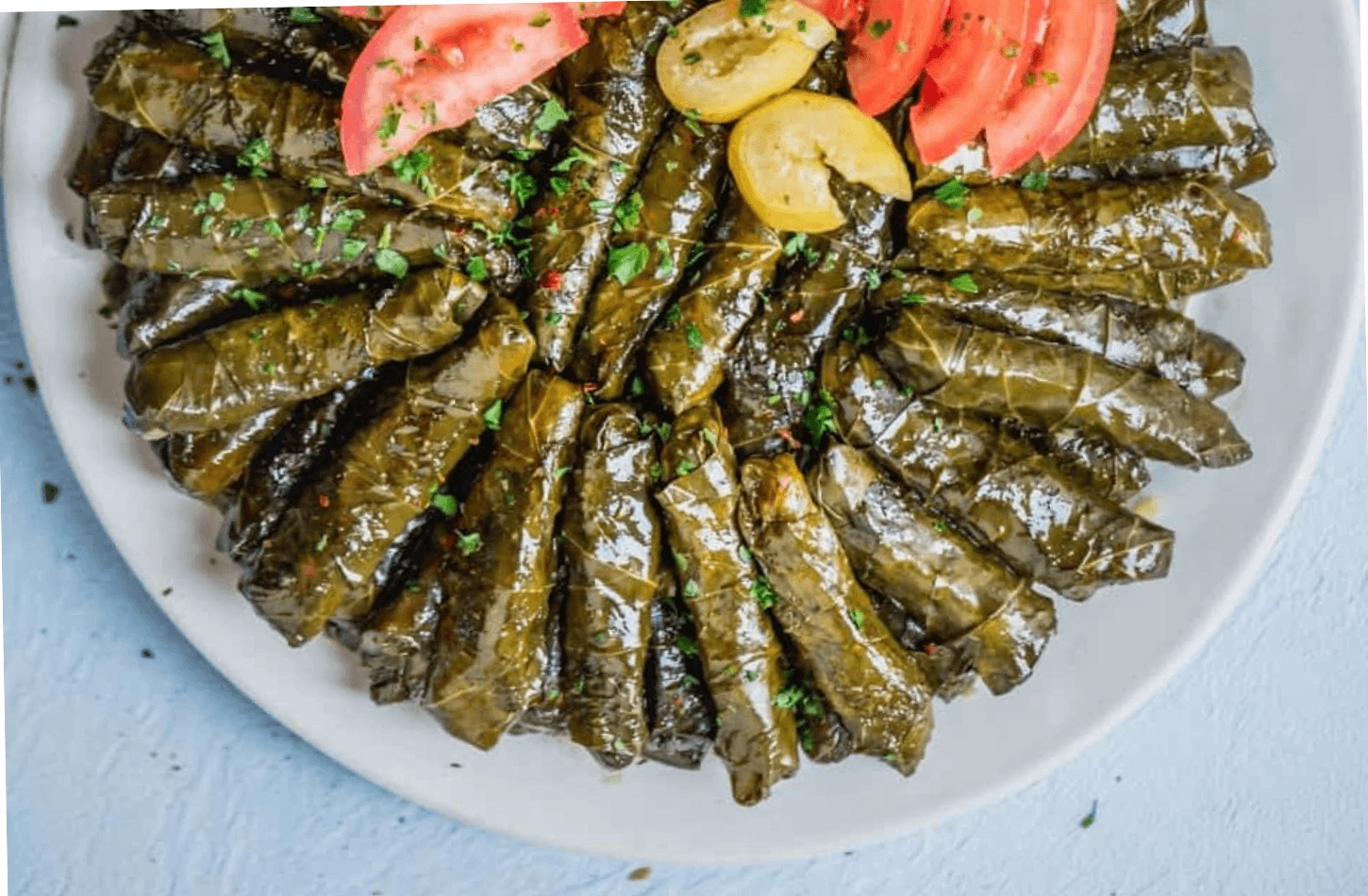
- Mahshi is a comforting home-cooked favorite in traditional Egyptian food, made by stuffing vegetables like zucchini, peppers, or grape leaves with rice, herbs, and sometimes minced meat.
- It’s commonly prepared for family gatherings, where dishes are shared and enjoyed together around the table.
- Cultural note: Mahshi represents the importance of home cooking and hospitality in Egyptian culture.
🥙 7. Hawawshi (Egyptian Street Food Favorite)
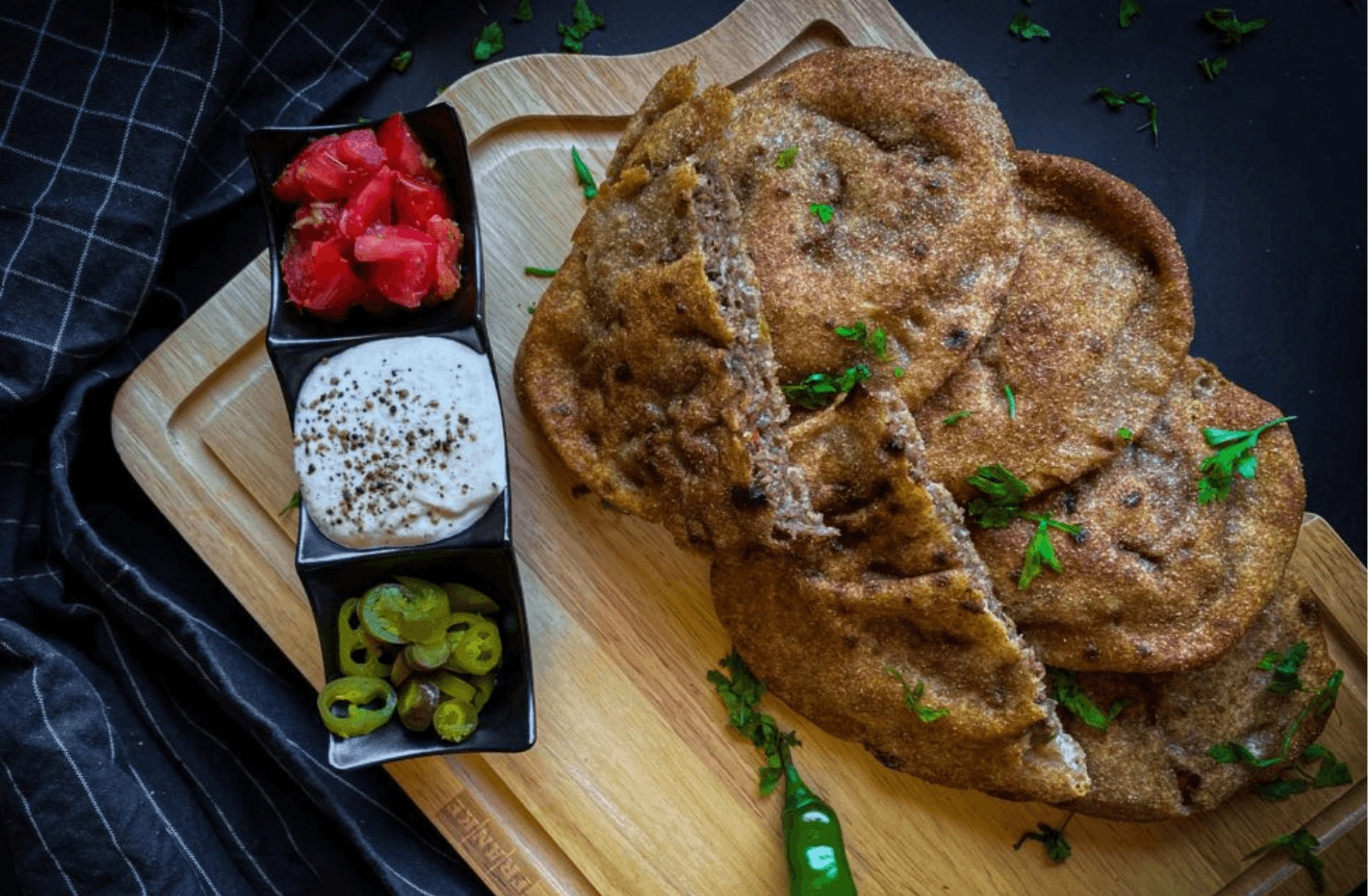
- Hawawshi is a bold and flavorful street food made by stuffing bread with spiced minced meat, onions, and herbs, then baking it until crispy. It’s quick, satisfying, and full of character.
- You’ll often find it in busy neighborhoods and local eateries, where it’s served hot and fresh.
- Cultural note: Hawawshi captures the energy of Egypt’s street food scene—simple ingredients turned into something unforgettable.
Egyptian Food Culture & Dining Experience
Best Places for an Unforgettable Experience
Tips for Trying Egyptian Food as a Traveler
Trying traditional Egyptian food is one of the most rewarding parts of visiting Egypt, but knowing how to navigate the experience can make it even more enjoyable. Egyptian cuisine is deeply local, and the best meals are often found in places that may look simple but are full of life and flavor.
Start by following the locals. Busy restaurants and street vendors—especially in cities like Cairo—are usually a good sign of fresh, well-prepared food. If a place is crowded, it often means the dishes are made frequently and served at their best.
When trying street food like koshari or hawawshi, choose vendors who prepare food in front of you and serve it hot. Freshness is key, and watching the cooking process adds to the experience. For breakfast dishes like ful medames and ta’ameya, go early in the day when they are freshly made and widely available.
It’s also helpful to embrace the local way of eating. Many traditional meals are shared, and bread is often used instead of utensils. Don’t hesitate to try different dishes at once—Egyptian cuisine is meant to be experienced as a variety of flavors on the table.
If you have dietary preferences, you’ll find that traditional Egyptian food offers plenty of vegetarian options, but it’s always a good idea to ask about ingredients, especially in home-style dishes.
FAQs About Egyptian Food
❓ Is it safe to eat street food in Egypt?
Yes, trying street food is an essential part of experiencing traditional Egyptian food, and it’s generally safe if you choose busy vendors with a high turnover. Look for places where food is prepared fresh and served hot, especially in popular areas of Cairo.
❓ What is a typical Egyptian meal like?
A typical meal featuring traditional Egyptian food often includes a mix of dishes such as rice, vegetables, legumes, and bread, all shared at the table. Meals are simple, filling, and designed to be enjoyed together rather than individually.
❓ How much does Egyptian food cost?
One of the best things about traditional Egyptian food is its affordability. Street food meals like koshari or ta’ameya are very inexpensive, while even restaurant meals remain budget-friendly compared to many other destinations.
❓ Is Egyptian food only street food?
No, while street food is a big part of the culture, traditional Egyptian food also includes a wide range of home-cooked dishes and restaurant meals that are rich in flavor and tradition.
❓ Can I find Egyptian food outside Egypt?
Yes, you can find traditional Egyptian food in many international cities, but the most authentic experience is still in Egypt, where recipes and flavors remain closest to their roots.
❓ Why is bread important in Egyptian meals?
Bread is a staple in traditional Egyptian food, used to scoop up dishes and bring everything together. It’s more than just a side—it’s an essential part of how meals are eaten and shared.
❓ Is traditional Egyptian food halal for all cultures?
Yes, most traditional Egyptian food is halal since Egypt follows Islamic dietary practices. Vegetarian dishes are naturally halal, and meat is usually prepared accordingly, but it’s still good to check in international restaurants.